
Oil Transit Through the Strait of Hormuz Remains Low Amid Ongoing U.S.-Iran Tensions
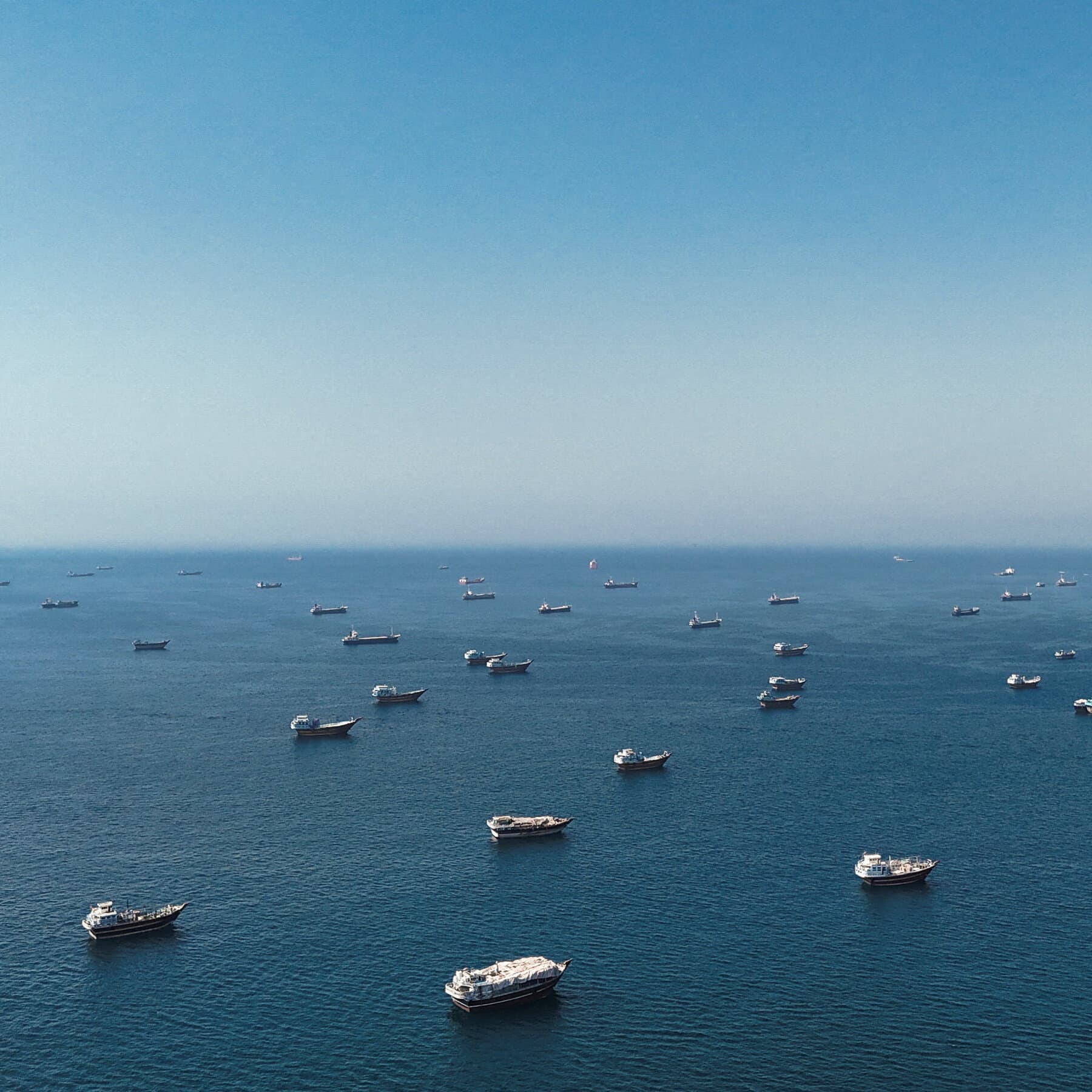
Here's what it means for you.
The ongoing disruptions in oil transit could lead to fluctuating energy prices and increased shipping costs that impact your business operations.
Why it matters
The Strait of Hormuz is a critical chokepoint for global oil supply, and disruptions here can ripple through energy markets worldwide.
What happened (in 30 seconds)
- Oil transit has plummeted to approximately 7 million barrels per day, down from 20 million before the conflict with Iran.
- U.S. military escorts are in place to protect oil tankers, yet the flow remains significantly below historical averages.
- Geopolitical tensions continue to disrupt shipping routes, leading to increased costs and regulatory scrutiny.
The context you actually need
- The Strait of Hormuz historically facilitates about 20% of the world's oil supply, making it a vital artery for global energy.
- Military actions and sanctions against Iran have complicated the shipping landscape, prompting the U.S. to enhance security measures.
- Gulf Arab states are navigating the dual pressures of securing oil exports while managing threats from Iranian forces.
What's really happening
The Strait of Hormuz has long been a linchpin in global oil transportation, with approximately 20 million barrels per day flowing through it before the recent conflict with Iran. As of June 2026, that number has dropped to around 7 million barrels per day, a stark reminder of the ongoing geopolitical tensions. The U.S. military has stepped in to escort oil tankers, aiming to mitigate the risks posed by Iranian threats. Despite these efforts, the total volume of oil transiting the strait remains significantly below the historical average, indicating that military presence alone cannot restore normalcy.
The situation is further complicated by the tactics employed by shipping companies, such as "dark transits," where vessels turn off their tracking systems to evade detection by Iranian forces. This not only raises safety concerns but also complicates logistics and insurance for shipping companies. Energy Secretary Chris Wright has acknowledged that the current transit volume is about half of what is needed to bridge the gap created by the conflict, highlighting the ongoing challenges in restoring stability.
The geopolitical landscape is fluid, with ongoing negotiations and military operations affecting the flow of oil. The U.S. government has reiterated its commitment to ensuring safe passage through the Strait, while Gulf Arab states express cautious optimism about the increased military presence. However, market reactions have been mixed, with fluctuations in oil prices reflecting the uncertainty surrounding the situation. Some analysts note a softening in prices due to the increased flow of non-Iranian oil, but this is tempered by the overall instability in the region.
As the conflict continues, the implications for global energy markets are profound. The limited oil flow through the Strait of Hormuz not only affects regional markets but also has a cascading effect on energy prices worldwide. Investors and logistics companies must navigate this complex landscape, where increased shipping costs and regulatory scrutiny are becoming the norm.
Who feels it first (and how)
- Shipping companies: Facing increased operational costs and risks due to military escorts and potential disruptions.
- Energy sector investors: Experiencing volatility in oil prices, impacting investment strategies and returns.
- Gulf Arab states: Navigating the dual pressures of securing oil exports while managing regional security threats.
- Consumers: Potentially facing higher energy prices as shipping costs rise and supply remains constrained.
What to watch next
- Oil price fluctuations: Monitor how ongoing military actions and geopolitical developments affect global oil prices.
- Shipping routes: Watch for changes in shipping patterns, including the use of "dark transits" and their implications for logistics.
- Diplomatic negotiations: Keep an eye on any diplomatic efforts aimed at de-escalating tensions in the region, which could impact oil transit volumes.
Oil transit through the Strait of Hormuz is significantly below pre-war levels.
Continued military presence and geopolitical tensions will keep oil prices volatile.
The long-term impact of these disruptions on global energy markets and shipping logistics.
Frequently Asked Questions
- Why it matters?
- The Strait of Hormuz is a critical chokepoint for global oil supply, and disruptions here can ripple through energy markets worldwide.
- What happened (in 30 seconds)?
- Oil transit has plummeted to approximately 7 million barrels per day, down from 20 million before the conflict with Iran. U.S. military escorts are in place to protect oil tankers, yet the flow remains significantly below historical averages. Geopolitical tensions continue to disrupt shipping routes, leading to increased costs and regulatory scrutiny.
- What's really happening?
- The Strait of Hormuz has long been a linchpin in global oil transportation, with approximately 20 million barrels per day flowing through it before the recent conflict with Iran. As of June 2026, that number has dropped to around 7 million barrels per day, a stark reminder of the ongoing geopolitical tensions. The U.S. military has stepped in to escort oil tankers, aiming to mitigate the risks posed by Iranian threats. Despite these efforts, the total volume of oil transiting the strait remains
- Who feels it first (and how)?
- Shipping companies: Facing increased operational costs and risks due to military escorts and potential disruptions. Energy sector investors: Experiencing volatility in oil prices, impacting investment strategies and returns. Gulf Arab states: Navigating the dual pressures of securing oil exports while managing regional security threats. Consumers: Potentially facing higher energy prices as shipping costs rise and supply remains constrained.
- What to watch next?
- Oil price fluctuations: Monitor how ongoing military actions and geopolitical developments affect global oil prices. Shipping routes: Watch for changes in shipping patterns, including the use of "dark transits" and their implications for logistics. Diplomatic negotiations: Keep an eye on any diplomatic efforts aimed at de-escalating tensions in the region, which could impact oil transit volumes.
Corporate leadership, finance, technology, and market trends.
"Fortune covers financial trends, leadership, and innovation with a pragmatic editorial approach."
— A47 Editor
The Strait of Hormuz is finally reopening, but energy flows may not get back to normal until next year
The Strait of Hormuz is set to reopen following an interim agreement between the United States and Iran, with expectations that approximately 80% of energy flows will resume by the end of the third quarter of 2026. However, a full return to normalcy ...
Global political, business, and cultural coverage from WSJ international desks.
"The Wall Street Journal offers extensive international reporting with a reputation for financial insight and a center-right editorial stance."
— A47 Editor
How Quickly Can the Strait of Hormuz Get Back Up and Running?
The reopening of the Strait of Hormuz, a critical maritime route for global oil shipments, is expected to take several weeks to return to even half of its prewar traffic levels, following a recent peace deal between the U.S. and Iran. This agreement ...
Pan-Arab news coverage spanning politics, business, sports, and regional affairs.
"Asharq Al-Awsat reflects a broad Arab editorial perspective with strong attention to regional geopolitics."
— A47 Editor
تمشيط مضيق هرمز لتطهيره من الألغام قد يستغرق أسابيع
Sources in the shipping and maritime security sectors indicate that ensuring the Strait of Hormuz is free of mines may delay the return of shipping activities to normalcy for weeks following an agreement to reopen the corridor.
Global business headlines with AI angles.
"General business outlet that frequently covers AI."
— A47 Editor
Removing All Mines From The Hormuz Strait To Allow Safe Shipping Could Take Weeks: Report
A recent report indicates that the removal of all mines from the Strait of Hormuz, a critical waterway for global shipping, could take weeks, even following a potential agreement between the U.S. and Iran to end hostilities. This development undersco...
Regional coverage and analysis focused on politics, diplomacy, and business across the Middle East.
"Al-Monitor is known for analytical reporting on Middle East politics and policy developments."
— A47 Editor
Scouring the Strait of Hormuz for mines could take weeks
The Strait of Hormuz is facing a significant delay in the return to normal shipping traffic, as maritime security sources indicate that mine-clearing operations could take 40 to 50 days to ensure safety following a recent peace deal. This operation i...
Editor-curated FT homepage stories spanning markets, business, world, and opinion.
"The Financial Times is a globally respected business publication with a centrist/center-left tone and strong markets focus."
— A47 Editor
Strait of Hormuz oil backlog could take weeks to clear after US-Iran deal
The recent agreement between the United States and Iran aims to reopen the strategically important Strait of Hormuz, which has been a focal point of oil transportation. However, analysts warn that the backlog of oil in the region could take weeks to ...
Corporate leadership, finance, technology, and market trends.
"Fortune covers financial trends, leadership, and innovation with a pragmatic editorial approach."
— A47 Editor
Iran proved it can close the Strait of Hormuz, but the U.S. is advertising very loudly that the world’s top superpower can at least punch open a hole
The U.S. has asserted its capability to maintain control over the Strait of Hormuz, with Hegseth claiming that 125 million barrels of oil have successfully exited the Gulf, indicating a strong naval presence. Meanwhile, Iran has demonstrated its abil...
Markets, economy, and company analysis from NYT’s business desk.
"The New York Times is a globally recognized newspaper offering authoritative reporting with a center-left editorial stance."
— A47 Editor
Despite US Help, Little Oil Has Gone Through Strait of Hormuz
Despite U.S. assistance, traffic through the Strait of Hormuz remains critically low, with President Trump reporting that over 200 commercial vessels have navigated the route, a stark contrast to pre-war levels. Global oil stockpiles continue to dwin...