
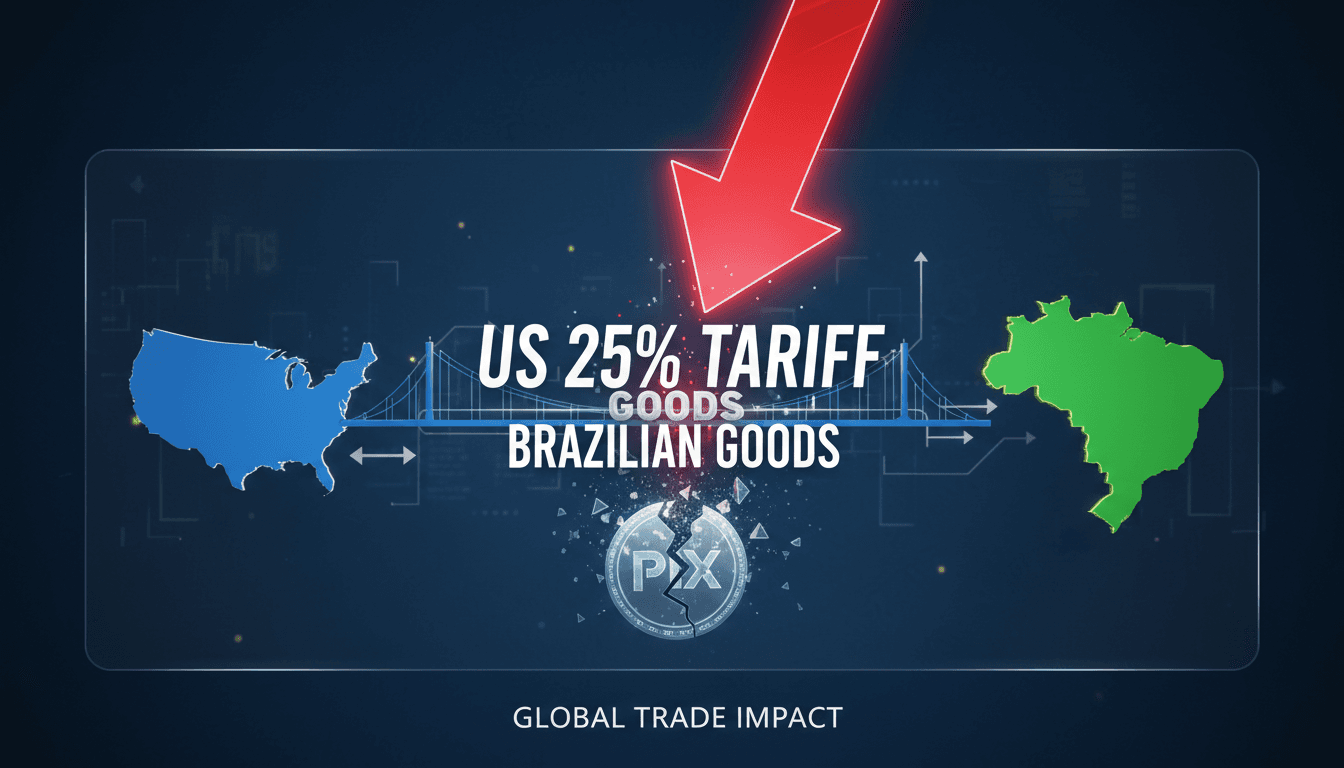
US Imposes 25% Tariff on Brazilian Goods Targeting Pix Payment System
Here's what it means for you.
The recent imposition of a 25% tariff on Brazilian goods by the United States signals a significant shift in international trade dynamics, particularly concerning digital payment systems. This decision is likely to impact American businesses that rely on trade with Brazil, especially in the agricultural sector. As the situation evolves, stakeholders in both countries will need to navigate the complexities of this trade conflict, which may set precedents for future digital commerce regulations.
What happened
The United States has enacted a 25% tariff on Brazilian goods, specifically targeting Brazil's Pix payment system. This decision follows a year-long investigation by the U.S. Trade Representative (USTR), which found Brazil's digital payment practices to be unreasonable and detrimental to American commerce. The USTR concluded that these practices impose burdens on American farmers and exporters, prompting the tariff's implementation.
The move is part of a broader trade conflict that has garnered global attention, as other nations monitor the implications for international trade policies. The tariff reflects escalating tensions between the two countries over digital trade practices and their impact on commerce.
The Context
The USTR's investigation into Brazil's digital payment practices began in June 2026, culminating in the tariff announcement on July 19, 2026. Brazil's Pix payment system has gained significant traction domestically, influencing various sectors, including cryptocurrency activities. The ongoing trade dispute highlights the growing importance of digital payment systems in global commerce and the potential for regulatory changes.
Governments worldwide are closely observing this situation, as the outcome may influence their own digital payment regulations and trade policies. The implications of this tariff extend beyond bilateral relations, potentially reshaping how countries approach digital commerce.
Takeaway
As the trade dispute unfolds, both the U.S. and Brazil may seek to negotiate terms that could either escalate tensions or lead to a resolution addressing concerns surrounding digital payment systems. Potential retaliatory measures from Brazil against U.S. goods could further complicate the situation. Stakeholders should remain vigilant as developments in international trade policies regarding digital payments emerge.
The outcome of this conflict may have lasting effects on the landscape of digital payments and international trade relations, making it a critical issue to watch in the coming months.
Pan-Arab news coverage spanning politics, business, sports, and regional affairs.
"Asharq Al-Awsat reflects a broad Arab editorial perspective with strong attention to regional geopolitics."
— A47 Editor
«بيكس» تشعل مواجهة بين أميركا والبرازيل على مستقبل المدفوعات الرقمية
The trade confrontation between the United States and Brazil has expanded beyond goods and tariffs to the digital payments sector, particularly focusing on Brazil's Pix payment system. This development highlights the growing competition in financial ...
Opinionated AI coverage for general audiences.
"TNW’s AI vertical covering tools, ethics, and trends."
— A47 Editor
Brazil’s Pix becomes a trade flashpoint with the US, and the world is watching
Brazil's instant-payment system, Pix, has escalated into a significant trade dispute with the United States, particularly after the U.S. Trade Representative labeled Brazil's digital trade practices as 'unreasonable' in June. This conflict has drawn ...
Real-time updates, analysis, and reports on the blockchain and cryptocurrency sectors.
"Crypto News delivers real-time updates, analysis, and reports on the blockchain and cryptocurrency sectors."
— A47 Editor
Trump targets Brazil’s Pix as dollar stablecoins gain ground
Former President Donald Trump has announced a 25% tariff on Brazil, specifically targeting the country's Pix payment system, as dollar stablecoins continue to gain traction in Brazil's cryptocurrency landscape. This move reflects growing concerns in ...
Covers Bitcoin plus altcoin news, market updates, and educational resources.
"Bitcoin.com provides news, market data, and guides focused on Bitcoin and the wider crypto industry."
— A47 Editor
The Target Is Pix: Why the US Is Imposing Unprecedented Tariffs Over Brazil’s Free Payment System
The U.S. Trade Representative (USTR) has imposed unprecedented tariffs on Brazil, specifically targeting the country's Pix payment system, under Section 301 of the Trade Act of 1974. This decision follows a year-long investigation that concluded Pix ...