
Oil prices decline as US-Iran deal to reopen Strait of Hormuz is anticipated
Here's what it means for you.
The recent decline in oil prices signals a shift in market dynamics as traders respond to the potential reopening of the Strait of Hormuz. This critical chokepoint for global oil supply has significant implications for energy markets and pricing strategies. While the prospect of increased supply is encouraging, the timeline for a full return to normal trading levels remains uncertain, suggesting continued volatility ahead. As negotiations unfold, stakeholders in the oil market must remain vigilant, monitoring developments closely. The outcome of the US-Iran deal could reshape supply dynamics and influence pricing strategies for months to come.
What happened
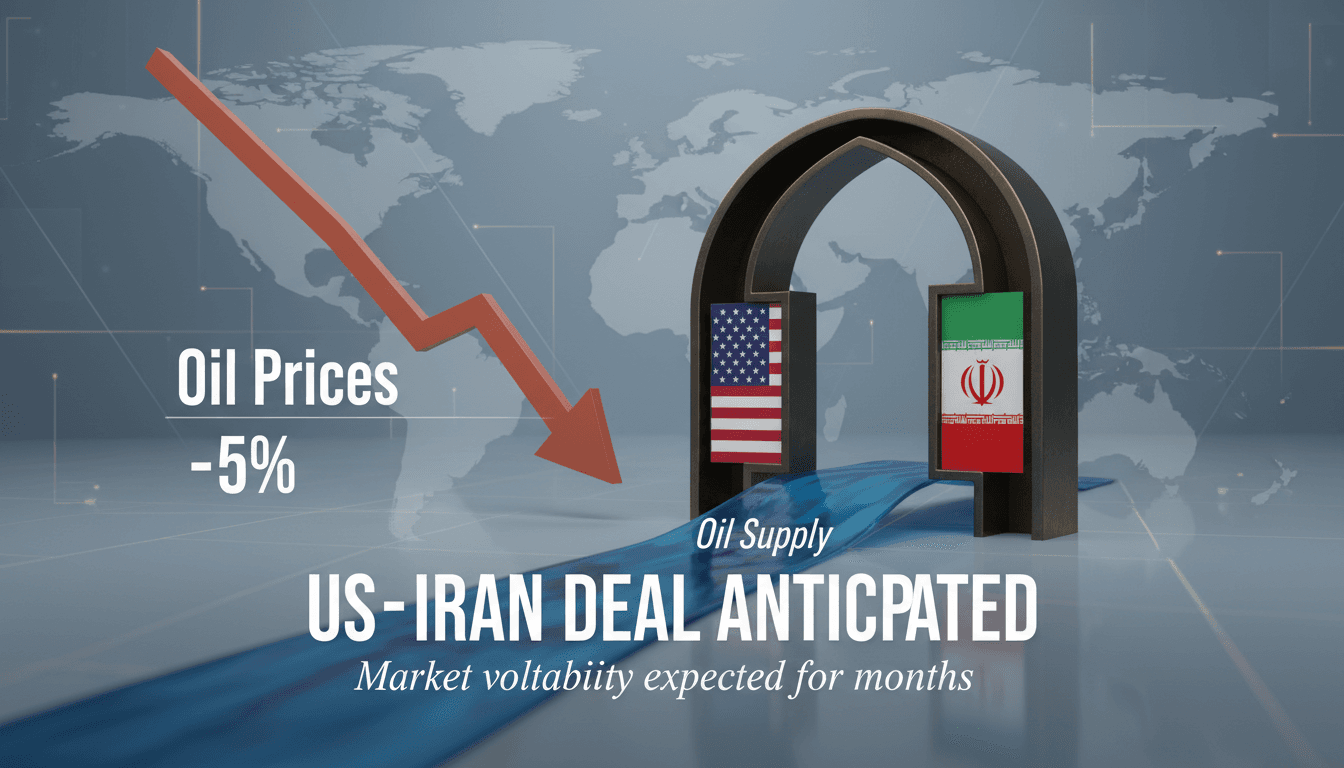
Oil prices have fallen nearly 5% as the market anticipates a US-Iran agreement to reopen the Strait of Hormuz. This decline reflects traders' optimism about the potential for increased oil supply. However, analysts caution that even with an agreement in place, it may take several months for normal trading levels to resume.
The decline in prices marks the longest losing streak for oil in ten months, indicating a significant shift in market sentiment. Traders are currently awaiting clarity on the details of the US-Iran deal, which is expected to restore oil flows through this vital maritime route.
The Context
The Strait of Hormuz is a critical chokepoint for global oil supply, making any developments regarding its accessibility highly significant. The ongoing negotiations between the US and Iran are pivotal, as they could determine the future of oil supply in the region. Despite the optimism surrounding a potential agreement, analysts warn that a full return to normalcy in oil markets could take months.
The current situation is compounded by the fact that oil prices have been experiencing a prolonged decline, reflecting broader market uncertainties. Stakeholders, including traders and policymakers, are closely monitoring these developments, as they hold substantial implications for global energy markets.
Takeaway
As the situation evolves, the oil market will remain in a state of volatility, with traders keenly observing the implementation of the US-Iran deal. The anticipated reopening of the Strait of Hormuz could lead to increased oil supply, but the timeline for achieving normal trading levels is still unclear.
Market participants should prepare for fluctuations in oil prices as the deal progresses and supply dynamics shift. The next steps in the negotiations will be crucial in determining the future landscape of the oil market.
Markets desk coverage, trading insights, and investor updates.
"WSJ’s markets reporting provides in-depth analysis and context for investors."
— A47 Editor
Oil Futures Settle Mixed as Market Weighs Supply Recovery
Oil futures concluded the trading session with mixed results as optimism regarding the reopening of the Strait of Hormuz diminished, leading market participants to consider the time required for a full recovery of oil supply from the Persian Gulf.
Global markets, investing, and macroeconomics from a premier financial newsroom.
"Bloomberg is respected for in-depth financial reporting and data-driven analysis."
— A47 Editor
Oil Falls as US-Iran Deal Set to Add Wave of Supply
Oil prices are experiencing a significant decline, heading towards their longest losing streak in ten months, as expectations rise that a US-Iran deal will reopen the Strait of Hormuz, potentially flooding the market with additional supply.
Global markets, investing, and macroeconomics from a premier financial newsroom.
"Bloomberg is respected for in-depth financial reporting and data-driven analysis."
— A47 Editor
Oil Falls to Three-Month Low as US-Iran Deal Set to Add Supply
Oil logged its longest run of declines this year as the US-Iran deal to reopen the Strait of Hormuz boosted expectations for a revival in supply, with leading Wall Street banks reducing their price forecasts and key market gauges tumbling.
UAE-based English-language newspaper covering regional politics, economics, and global affairs.
"The National reflects Emirati policy perspectives while maintaining international editorial standards."
— A47 Editor
Oil slides nearly 5% as US-Iran deal paves way for Hormuz reopening
Oil prices have dropped nearly 5% following the announcement of a peace deal between the United States and Iran, which is expected to facilitate the reopening of the strategically vital Strait of Hormuz. This development comes amid ongoing tensions i...
Global markets, investing, and macroeconomics from a premier financial newsroom.
"Bloomberg is respected for in-depth financial reporting and data-driven analysis."
— A47 Editor
Hormuz Trade Will Take Months to Return Normal, Analysts Say
An interim agreement between the United States and Iran has been reached to reopen the Strait of Hormuz, a critical maritime route for oil and gas transportation. Analysts indicate that while the deal has generated optimism in oil markets, a return t...