
Goldman Sachs Projects Brent Crude Oil Prices Could Exceed $120 Amid Strait of Hormuz Tensions
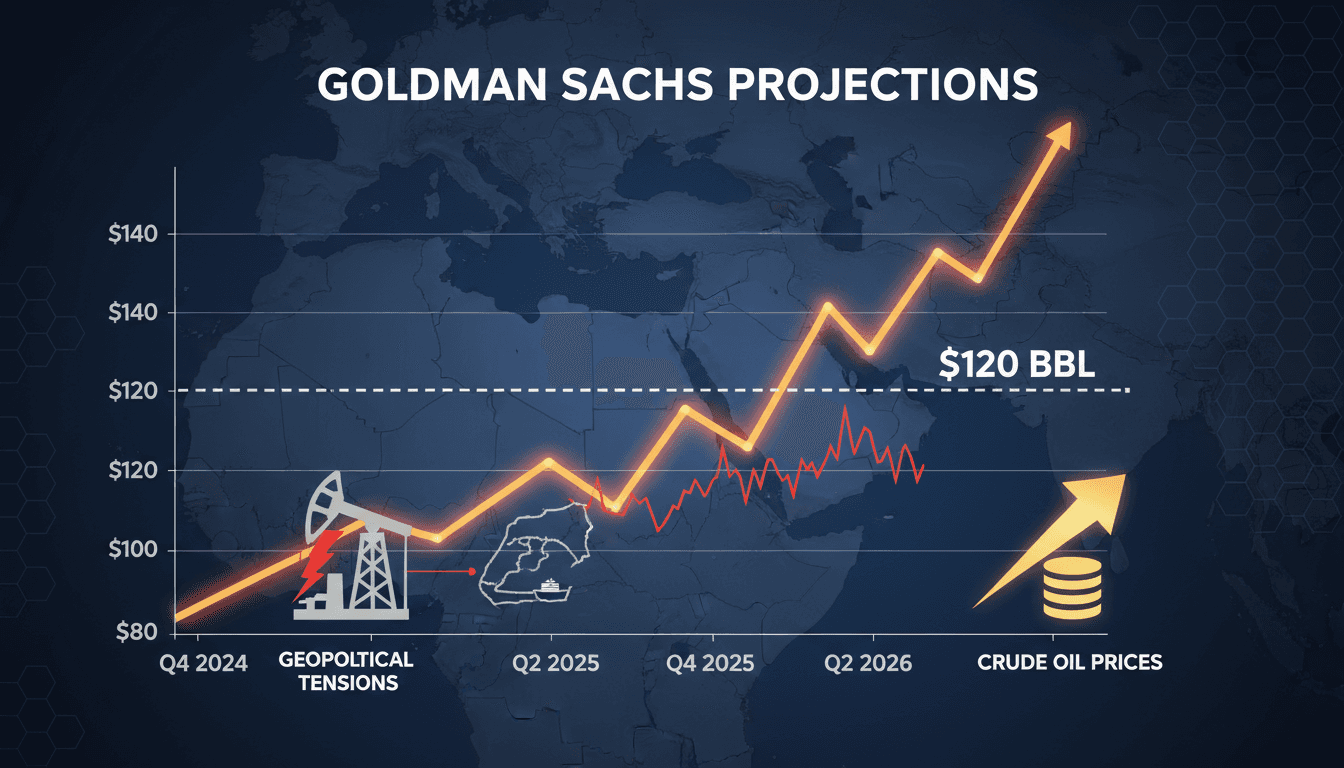
Here's what it means for you.
The potential rise of Brent crude oil prices to over $120 per barrel signals significant implications for global energy markets and economic stability. As geopolitical tensions in the Strait of Hormuz escalate, stakeholders must prepare for potential supply shortages that could impact pricing and availability. This situation underscores the sensitivity of oil markets to geopolitical events, making it crucial for businesses and policymakers to monitor developments closely. The forecast from Goldman Sachs highlights the importance of strategic planning in energy procurement and pricing strategies. Companies reliant on oil must consider the volatility and prepare for possible price surges that could affect their operational costs.
What happened
Goldman Sachs has indicated that Brent crude oil prices could exceed $120 per barrel by the fourth quarter of 2026 if disruptions in the Strait of Hormuz continue. This projection comes amid rising oil prices and concerns over supply shortages due to geopolitical tensions in the region. Recently, Brent crude oil surpassed $91 per barrel, reflecting the market's reaction to these ongoing issues.
Analysts have previously warned that oil prices could surge to between $150 and $200 amid conflict with Iran, further emphasizing the precarious nature of the current situation. The International Energy Agency has also cautioned that continued closure of the Strait of Hormuz could exacerbate supply issues, adding to the urgency of the matter.
The Context
The Strait of Hormuz is a critical chokepoint for global oil transportation, making geopolitical stability in the region essential for maintaining steady oil supply. Goldman Sachs maintains a baseline forecast of $80 per barrel if tensions ease, but the current trajectory suggests a more volatile future. The ongoing geopolitical tensions in the Middle East, particularly around this strategic waterway, are causing fluctuations in oil prices that could have far-reaching effects.
The International Energy Agency reported a withdrawal of approximately 290 million barrels from emergency stocks since March, indicating a tightening supply situation. As the situation evolves, stakeholders from governments to corporations are closely monitoring developments that could impact oil pricing and availability.
Takeaway
As geopolitical tensions persist, the oil market is likely to remain volatile, with prices influenced by developments in the Strait of Hormuz and broader Middle Eastern dynamics. Stakeholders should keep a close eye on the situation, particularly any changes in U.S.-Iran relations, which could further impact oil supply and pricing. Monitoring these developments will be crucial for businesses and policymakers alike as they navigate the complexities of the energy market.
The potential for significant price increases in oil underscores the need for strategic planning and risk management in energy procurement. Companies should prepare for various scenarios as the geopolitical landscape continues to evolve.
English-language digital publication covering business, politics, technology, and current affairs.
"The Arabian Post mixes original and syndicated-style coverage with a broad regional and global business-news orientation."
— A47 Editor
Goldman keeps Brent forecast at $80
Goldman Sachs has maintained its forecast for Brent crude oil prices to average $80 per barrel in the fourth quarter of 2026, citing that limited supply from the Middle East should help sustain prices if tensions between the United States and Iran di...
Sports reporting with a focus on Saudi and regional competitions.
"Okaz sports coverage is broad and audience-friendly, with strong attention to Saudi teams and leagues."
— A47 Editor
أسعار النفط فوق 91 دولاراً.. تحذير من إغلاق «هرمز»
Oil prices have continued to rise, with Brent crude for September delivery surpassing $91.48, following warnings from the International Energy Agency about the potential impact of the closure of the Strait of Hormuz and declining strategic reserves o...
Global business headlines with AI angles.
"General business outlet that frequently covers AI."
— A47 Editor
Analysts Predicted $200 Oil When the U.S. Went to War With Iran. Five Months Later, It Still Hasn't Happened
Analysts had predicted that Brent crude oil prices could soar to between $150 and $200 per barrel following the escalation of conflict between the U.S. and Iran, particularly if Iran disrupted traffic through the strategically vital Strait of Hormuz....
Pan-Arab news coverage spanning politics, business, sports, and regional affairs.
"Asharq Al-Awsat reflects a broad Arab editorial perspective with strong attention to regional geopolitics."
— A47 Editor
«غولدمان ساكس»: برنت قد يتجاوز 120 دولاراً إذا استمرت اضطرابات «هرمز»
Goldman Sachs has projected that the price of Brent crude oil could exceed $120 per barrel by the fourth quarter if disruptions in the Strait of Hormuz continue. This forecast highlights the potential volatility in oil markets due to geopolitical ten...
Global markets, investing, and macroeconomics from a premier financial newsroom.
"Bloomberg is respected for in-depth financial reporting and data-driven analysis."
— A47 Editor
Goldman Says Brent Could Top $120 If Hormuz Disruptions Persist
Goldman Sachs Group Inc. has indicated that Brent crude oil prices could exceed $120 per barrel by the fourth quarter if disruptions in the Strait of Hormuz continue. This forecast, however, is not the bank's base case scenario, reflecting uncertaint...