
Resumption of Oil Flows Through Strait of Hormuz Raises Concerns of Global Surplus
Here's what it means for you.
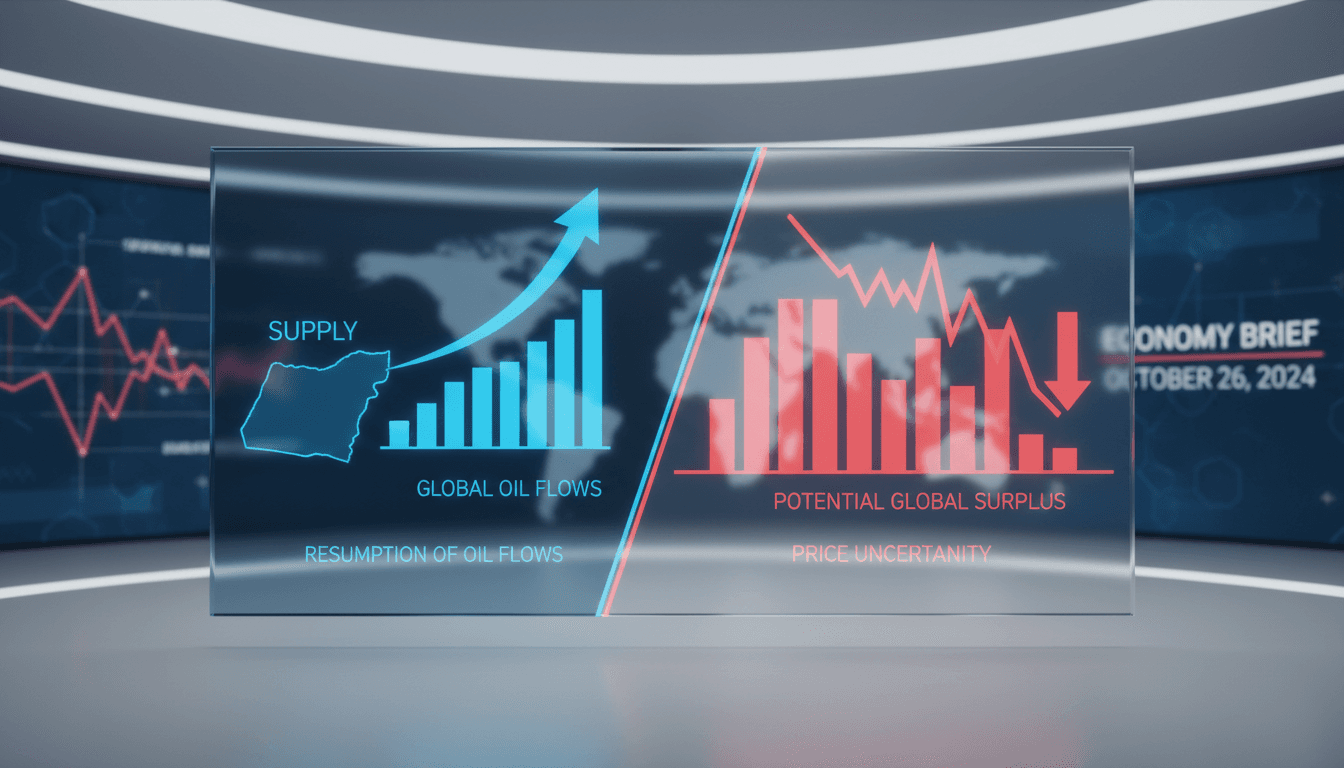
The resumption of oil flows through the Strait of Hormuz signals a significant shift in the global oil market, potentially leading to an oversupply situation. As nations work to rebuild their stockpiles post-conflict, market participants should brace for price volatility. This development could impact energy policies and economic strategies worldwide. With oil flows increasing by an estimated 1.5 million barrels per day, stakeholders must closely monitor how this surplus affects pricing dynamics. The implications of these changes could resonate across various sectors, influencing everything from consumer prices to international relations.
What happened
Oil flows through the Strait of Hormuz have resumed, marking a significant recovery in the global oil market. This shift follows the easing of tensions stemming from the Iran war, which had previously disrupted supply chains. Analysts, including those from Goldman Sachs, are now predicting a potential oversupply situation as nations strive to replenish their oil reserves.
The reopening of this critical chokepoint for global oil transportation has raised alarms about the stability of energy markets. As traffic through the Strait approaches pre-war levels, the implications for pricing and supply balance are becoming increasingly pronounced.
The Context
The Strait of Hormuz is a vital artery for global oil transportation, making its operational status crucial for energy markets. The recent recovery in oil flows comes after a period of heightened geopolitical tensions, particularly related to the Iran conflict. As nations work to rebuild their stockpiles, the market faces the risk of oversupply, which could destabilize pricing structures.
Goldman Sachs has highlighted that despite efforts to restore balance, the market may swing back into oversupply. This situation is compounded by the fact that oil prices have remained stable amid thin trading conditions, indicating a complex interplay between supply recovery and market demand.
Takeaway
As oil supply increases, market participants should prepare for potential price volatility in the coming months. The ongoing adjustments in supply levels will be critical to watch, as they could lead to significant fluctuations in oil prices. Stakeholders are advised to monitor geopolitical developments that may impact oil transportation and overall market stability.
The outlook for the oil market suggests that fluctuations are likely as recovery continues. Understanding these dynamics will be essential for navigating the implications of a potential surplus on pricing and stability.
Global markets, investing, and macroeconomics from a premier financial newsroom.
"Bloomberg is respected for in-depth financial reporting and data-driven analysis."
— A47 Editor
Oil Is Little Changed as Persian Gulf Flows Near Pre-War Levels
Oil prices remained stable as trading activity was thin, reflecting a recovery in oil flows from the Persian Gulf, which are nearing pre-war levels. This resurgence in supply is contributing to a surplus in critical areas of the global market.
Global news coverage with extensive reporting on Middle Eastern conflicts and geopolitics.
"Al Jazeera is a Qatar-based broadcaster known for wide regional coverage and alternative perspectives."
— A47 Editor
With Hormuz reopened, has the oil shortage turned into a glut?
The reopening of the Strait of Hormuz has raised concerns about a potential oil surplus, which could destabilize global energy markets as flow resumes through this critical shipping route. This development follows a period of heightened tensions and ...
Comprehensive coverage of Middle Eastern and global issues.
"Al Jazeera is a prominent voice from the Global South, especially the Middle East, with an emphasis on underreported stories."
— A47 Editor
With Hormuz reopened, has the oil shortage turned into a glut?
The reopening of the Strait of Hormuz has raised concerns about a potential oil surplus, which could destabilize global energy markets as flow resumes through this critical shipping route. This development follows a period of heightened tensions and ...
Global markets, investing, and macroeconomics from a premier financial newsroom.
"Bloomberg is respected for in-depth financial reporting and data-driven analysis."
— A47 Editor
Goldman Flags Up Oil Surplus Even as Nations Rebuild Stockpiles
Goldman Sachs Group Inc. has indicated that the global oil market is poised to experience an oversupply as the effects of the Iran war diminish and shipping traffic through the Strait of Hormuz normalizes. This shift is expected to impact oil prices ...