
US trade deficit narrows as oil exports surge amid Iran conflict
Here's what it means for you.
The narrowing of the U.S. trade deficit signals a potential shift in economic dynamics, particularly in the energy sector. Increased oil exports, driven by geopolitical tensions, may provide a buffer against trade imbalances. This development could influence market strategies and policy decisions as stakeholders assess the implications of fluctuating energy demands.
What happened
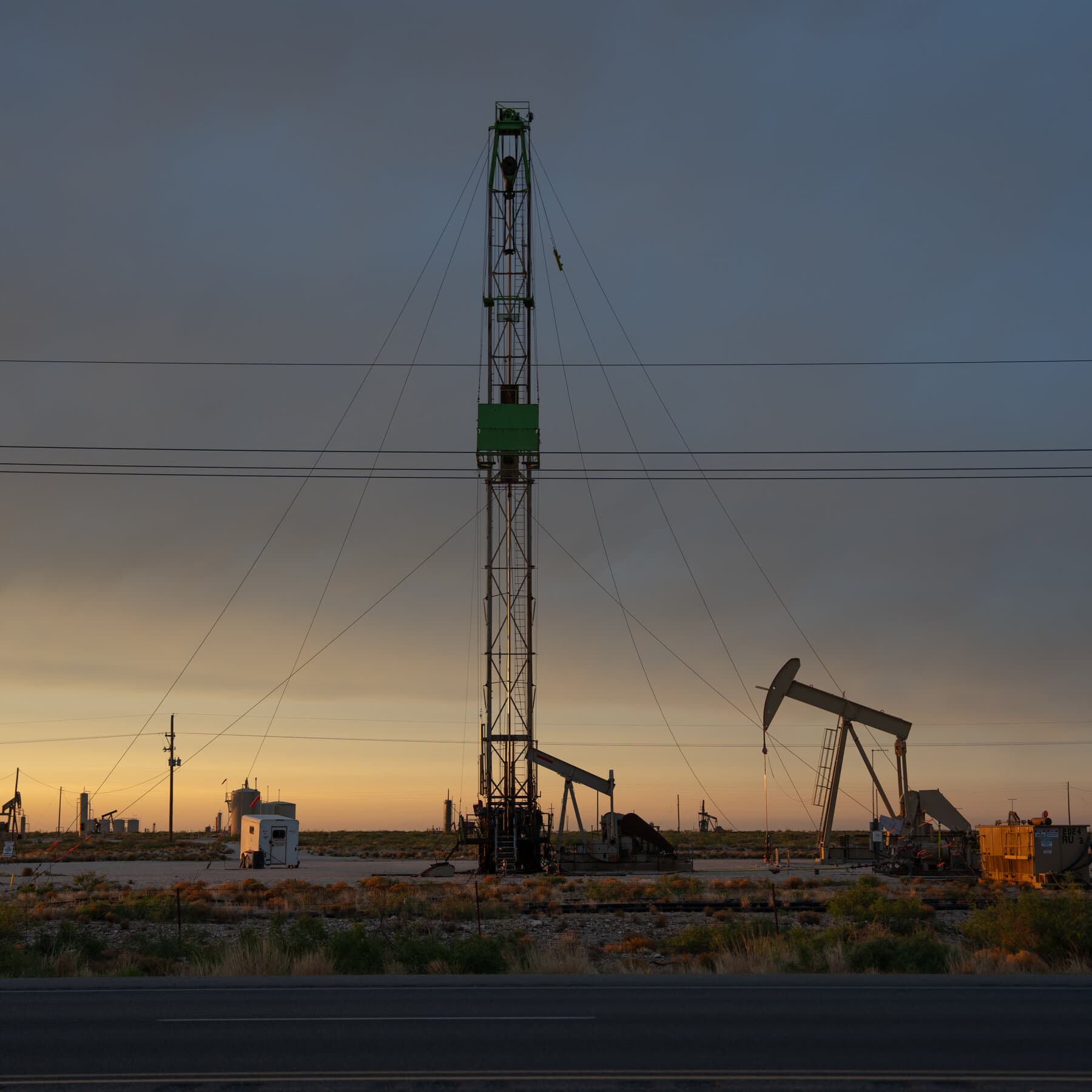
In April, the U.S. trade deficit narrowed significantly as oil exports surged amid the ongoing conflict with Iran. The Commerce Department reported that exports reached a record high, reflecting the impact of global supply disruptions. This increase in oil exports has been primarily driven by heightened demand following the closure of the Strait of Hormuz.
The trade balance improvement indicates a notable shift in the U.S. trade dynamics, with exports outpacing imports. The rise in oil exports has played a crucial role in this development, underscoring the interconnectedness of global events and their effects on national economies.
The Context
The closure of the Strait of Hormuz has heightened oil demand, creating a ripple effect in global energy markets. The ongoing conflict with Iran has led to significant disruptions in oil supply, prompting the U.S. to capitalize on its energy resources. As a result, U.S. oil exports have reached record levels, contributing to the narrowing trade deficit.
This situation highlights the importance of geopolitical stability in influencing trade balances. The implications extend beyond economics, affecting international relations and energy policies as countries navigate the complexities of global supply chains.
Takeaway
As geopolitical tensions persist, the U.S. may continue to experience fluctuations in its trade balance, particularly in energy exports. Monitoring developments in the Iran conflict will be crucial for understanding future trends in global oil supply and demand. Additionally, upcoming trade balance reports will provide insights into the ongoing impact of these dynamics on the U.S. economy.
Stakeholders should remain vigilant as the situation evolves, as the interplay between geopolitical events and trade can have far-reaching consequences for markets and policies.
Global business headlines with AI angles.
"General business outlet that frequently covers AI."
— A47 Editor
Increased Demand For U.S. Oil Amid Iran War Gives Trade Balance a Boost in April
The U.S. trade deficit narrowed significantly in April, driven by a surge in oil exports amid rising demand linked to the ongoing conflict with Iran. This increase in exports reached a record high, contributing positively to the trade balance.
Pan-Arab news coverage spanning politics, business, sports, and regional affairs.
"Asharq Al-Awsat reflects a broad Arab editorial perspective with strong attention to regional geopolitics."
— A47 Editor
انتعاش صادرات النفط يقلّص العجز التجاري الأميركي في أبريل
In April, the United States experienced a slight reduction in its trade deficit, attributed to a rise in energy exports amid global supply disruptions caused by the ongoing conflict in Iran. This uptick in oil exports has played a significant role in...
Markets, economy, and company analysis from NYT’s business desk.
"The New York Times is a globally recognized newspaper offering authoritative reporting with a center-left editorial stance."
— A47 Editor
U.S. Exports Rose in April, as War with Iran Buoyed Oil Demand
U.S. exports rose in April, driven by a significant increase in oil exports due to the ongoing closure of the Strait of Hormuz amid tensions with Iran. The Commerce Department reported that this growth in exports outpaced imports, leading to a narrow...