
OPEC+ increases oil production amid concerns of oversupply
Here's what it means for you.
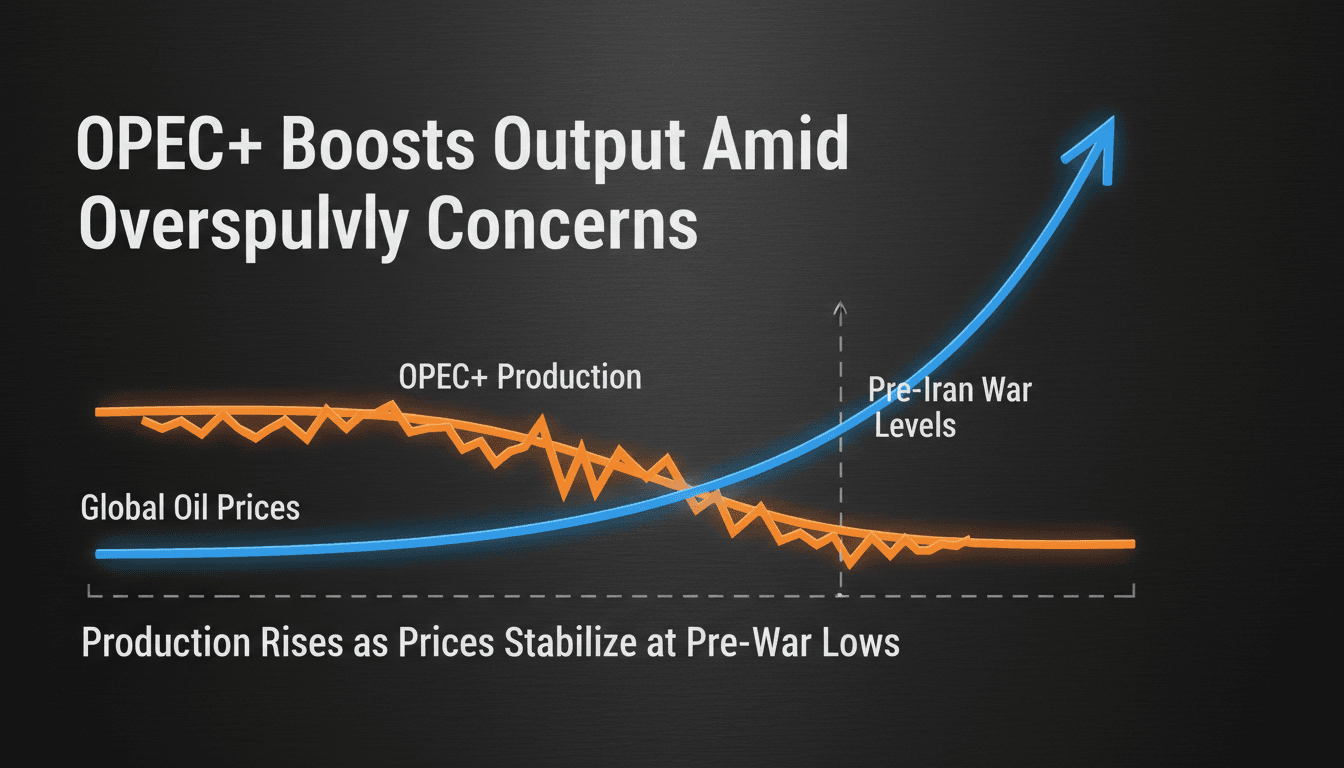
The decision by OPEC+ to raise oil output targets signals a significant shift in the market dynamics, particularly as oil prices have stabilized at levels not seen since before the Iran war. This move could lead to a potential oversupply if demand does not keep pace with the increased production. Stakeholders in the oil market, including investors and policymakers, will need to closely monitor demand trends to mitigate the risk of a price drop. As production ramps up, the implications for global oil prices could be profound, affecting everything from consumer fuel costs to broader economic indicators. The balance between supply and demand will be crucial in determining the market's trajectory in the coming months.
What happened
OPEC+ has officially agreed to increase oil output targets, despite existing concerns regarding a potential oversupply in the market. This decision comes at a time when oil prices have settled at levels reminiscent of those before the Iran war, indicating a notable shift in market conditions. The organization is responding to pressures from key member states advocating for production hikes, even as demand remains limited.
The announcement marks a pivotal moment for the oil industry, as it reflects OPEC+'s strategy to adapt to changing market realities. The potential for a surplus looms large, with production increases possibly outpacing demand.
The Context
Currently, oil prices are at pre-Iran war levels, raising alarms about a possible global oil glut. The decision to increase production comes amid growing concerns that supply may exceed demand, which could lead to significant market challenges. Key OPEC+ members are pushing for these production hikes, indicating a divergence in strategy among stakeholders regarding how to navigate the current market landscape.
The timing of this decision is critical, as it coincides with a period of fluctuating demand and geopolitical uncertainties. The resilience of traffic through the Strait of Hormuz also plays a role in the broader context of oil supply and pricing.
Takeaway
As OPEC+ continues to increase production, the market must remain vigilant in monitoring demand trends to avoid a significant surplus that could negatively impact prices. The current dynamics suggest that while OPEC+ is taking proactive steps, the balance between supply and demand will be essential in determining future price stability.
Investors and analysts should keep an eye on global oil demand trends and be prepared for potential price adjustments in response to these production changes. The coming months will be crucial in assessing how these factors will play out in the oil market.
Corporate leadership, finance, technology, and market trends.
"Fortune covers financial trends, leadership, and innovation with a pragmatic editorial approach."
— A47 Editor
OPEC+ to pump more oil as market fears shift from shortage to glut
OPEC+ has decided to increase its oil output quotas as Gulf oil flows recover and market prices stabilize, reflecting a shift in focus from potential shortages to concerns about an oversupply. This decision includes an increase of approximately 188,0...
Oil, metals, and agriculture: supply/demand headlines, OPEC chatter, inventories, and price action.
"Solid tape for energy and metals traders tracking macro and micro catalysts."
— A47 Editor
Oil prices settle at pre-Iran war levels as crude output grows
Oil prices have settled at levels seen before the Iran conflict, attributed to increased crude output and a stabilization of market conditions. This shift reflects a balancing act in the oil market amid ongoing geopolitical tensions, particularly inv...
Oil, metals, and agriculture: supply/demand headlines, OPEC chatter, inventories, and price action.
"Solid tape for energy and metals traders tracking macro and micro catalysts."
— A47 Editor
Oil prices slip as OPEC+ raises output targets, Hormuz traffic remains resilient
Oil prices have slipped as OPEC+ announced an increase in oil output targets, reflecting a strategic response to the recovering oil exports from the Strait of Hormuz, which remains a vital shipping route despite ongoing geopolitical tensions.
Global markets, investing, and macroeconomics from a premier financial newsroom.
"Bloomberg is respected for in-depth financial reporting and data-driven analysis."
— A47 Editor
OPEC+ Emerges From War to Threat of Oil Surplus
OPEC+ has agreed to increase its oil output quota by approximately 188,000 barrels per day, despite the ongoing geopolitical tensions and the impact of the war in Iran on global oil exports. This decision reflects the organization's strategy to navig...