
Dubai's Parkin to Implement 5% VAT on Parking Services Starting June 1, 2026
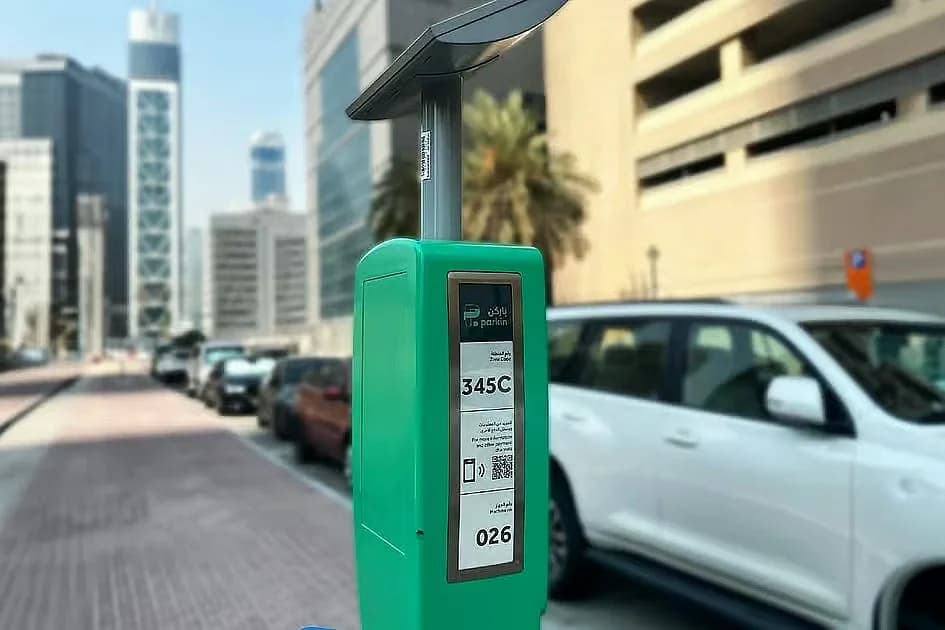
Here's what it means for you.
If you park in Dubai, expect to pay more starting June 1, 2026.
Why it matters
This tax aligns parking fees with broader fiscal policies, impacting urban mobility and municipal funding.
What happened (in 30 seconds)
- On May 20, 2026, Dubai's Parkin announced a 5% VAT on all parking services effective June 1, 2026.
- The VAT aims to enhance revenue generation for municipal services and align with national fiscal policies.
- Public reactions are mixed, with some supporting the funding of public services while others worry about increased costs.
The context you actually need
- VAT was introduced in the UAE in January 2018 at a standard rate of 5% to diversify the economy away from oil dependency.
- Parking services have been identified as a significant revenue source for municipal funding and infrastructure development.
- The new tax reflects a trend of increasing taxes across various sectors in the UAE to support economic stability.
What's really happening
The introduction of a 5% VAT on parking services in Dubai is a strategic move by the Dubai Municipality to align local fiscal policies with national economic goals. Since the implementation of VAT in the UAE in 2018, the government has been actively seeking ways to diversify its revenue streams, reducing its historical reliance on oil revenues. The parking sector, which has seen substantial growth due to the rapid urbanization and increasing vehicle ownership in Dubai, presents a lucrative opportunity for additional revenue generation.
By imposing this VAT, Dubai's Parkin aims to enhance funding for municipal services, which are crucial for maintaining and improving public infrastructure. The revenue generated from this tax is expected to be reinvested into urban development projects, public transportation, and other essential services that benefit both residents and visitors. This aligns with the broader fiscal strategy of the UAE, which has been increasingly focused on creating a sustainable economic model that can withstand global fluctuations in oil prices.
However, the introduction of this tax is not without its challenges. The public response has been mixed, with some residents and business owners expressing concern over the additional financial burden it places on them. For many, the cost of parking is already a significant expense, and the added VAT could deter visitors and residents from utilizing parking facilities, potentially impacting urban mobility. This could lead to changes in consumer behavior, with some opting for alternative transportation methods or reducing their overall travel frequency within the city.
Moreover, the implementation of this VAT may also influence the pricing strategies of businesses that rely on parking services. As costs rise, businesses may pass on these expenses to consumers, leading to higher prices for goods and services in the area. This could create a ripple effect throughout the local economy, affecting everything from retail to hospitality.
In summary, while the introduction of a 5% VAT on parking services is a strategic move to enhance municipal funding, it also raises important questions about its impact on consumer behavior, urban mobility, and the overall economic landscape in Dubai.
Who feels it first (and how)
- Residents: Increased parking costs may strain household budgets.
- Tourists: Higher parking fees could deter visits to popular attractions.
- Business Owners: Potential for reduced customer footfall due to increased parking expenses.
- Urban Planners: Need to adapt infrastructure and services to changing mobility patterns.
What to watch next
- Consumer Behavior: Monitor changes in parking utilization rates as the VAT takes effect.
- Public Infrastructure Investments: Watch for announcements on how the generated revenue will be reinvested.
- Economic Impact: Assess the broader effects on local businesses and tourism in the months following implementation.
A 5% VAT on parking services will be implemented on June 1, 2026.
Increased costs will affect consumer behavior and parking utilization rates.
The long-term impact on local businesses and urban mobility patterns remains to be seen.
Frequently Asked Questions
- Why it matters?
- This tax aligns parking fees with broader fiscal policies, impacting urban mobility and municipal funding.
- What happened (in 30 seconds)?
- On May 20, 2026, Dubai's Parkin announced a 5% VAT on all parking services effective June 1, 2026. The VAT aims to enhance revenue generation for municipal services and align with national fiscal policies. Public reactions are mixed, with some supporting the funding of public services while others worry about increased costs.
- What's really happening?
- The introduction of a 5% VAT on parking services in Dubai is a strategic move by the Dubai Municipality to align local fiscal policies with national economic goals. Since the implementation of VAT in the UAE in 2018, the government has been actively seeking ways to diversify its revenue streams, reducing its historical reliance on oil revenues. The parking sector, which has seen substantial growth due to the rapid urbanization and increasing vehicle ownership in Dubai, presents a lucrative oppor
- Who feels it first (and how)?
- Residents: Increased parking costs may strain household budgets. Tourists: Higher parking fees could deter visits to popular attractions. Business Owners: Potential for reduced customer footfall due to increased parking expenses. Urban Planners: Need to adapt infrastructure and services to changing mobility patterns.
- What to watch next?
- Consumer Behavior: Monitor changes in parking utilization rates as the VAT takes effect. Public Infrastructure Investments: Watch for announcements on how the generated revenue will be reinvested. Economic Impact: Assess the broader effects on local businesses and tourism in the months following implementation.
Arabic-language economic and business reporting with strong UAE market relevance.
"Emarat Al Youm business coverage often centers UAE property, banking, consumer issues, and economic policy."
— A47 Editor
«سالك» و«باركن» تطبقان ضريبة القيمة المضافة «سالك» و«باركن» تطبقان ضريبة القيمة المضافة
Salik, the exclusive operator of toll gates in Dubai, announced that it will implement a 5% value-added tax on toll fees starting from June 1, 2026. This decision is part of a broader initiative to align with national tax regulations.
UAE-based English-language newspaper covering regional politics, economics, and global affairs.
"The National reflects Emirati policy perspectives while maintaining international editorial standards."
— A47 Editor
Dubai's Salik and Parkin to add 5 per cent VAT on road toll and parking fees
Dubai's road toll operator Salik and parking service Parkin will implement a 5% Value Added Tax (VAT) on road toll and parking fees starting June 1, 2026. This decision aligns with the emirate's broader fiscal strategies aimed at enhancing revenue ge...
English-language coverage focused on UAE news, government updates, and domestic affairs.
"Emirates 24|7 reflects a mainstream UAE editorial perspective with strong emphasis on official and domestic developments."
— A47 Editor
Salik to apply 5% VAT on usage fees Salik to apply 5% VAT on usage fees
Salik, the road toll operator in Dubai, has announced that a 5% Value Added Tax (VAT) will be applied to all usage fees starting June 1, 2026. This tax will be levied on fees associated with Salik toll gates and the activation of toll cards, with the...
English-language coverage focused on UAE news, government updates, and domestic affairs.
"Emirates 24|7 reflects a mainstream UAE editorial perspective with strong emphasis on official and domestic developments."
— A47 Editor
Dubai's Parkin announces 5% VAT on all services from June 1 Dubai's Parkin announces 5% VAT on all services from June 1
Dubai's parking operator Parkin has announced the implementation of a 5% Value Added Tax (VAT) on all parking services starting June 1, 2026. This tax will apply to various services, including on-street and off-street parking, seasonal cards, permits...
A curated Gulf News feed featuring major stories across news, business, opinion, and lifestyle.
"Gulf News is a major UAE newspaper whose featured stories feed reflects a broad editorial mix shaped for a Gulf audience."
— A47 Editor
Using Salik in Dubai? New 5% VAT rule starts June 1
Starting June 1, 2026, Dubai will implement a 5% Value Added Tax (VAT) on Salik, the city's road toll system, which is expected to affect both residents and visitors using the toll roads. This change is part of a broader initiative to enhance revenue...
UAE-based newspaper covering Gulf politics, society, and international developments.
"Gulf News is one of the UAE’s most prominent English-language publications."
— A47 Editor
Using Salik in Dubai? New 5% VAT rule starts June 1
Starting June 1, 2026, Dubai will implement a 5% Value Added Tax (VAT) on Salik, the city's road toll system, which is expected to affect both residents and visitors using the toll roads. This change is part of a broader initiative to enhance revenue...
Breaking news and analysis from the UAE and Gulf region.
"Khaleej Times is a long-running UAE publication with broad regional coverage."
— A47 Editor
Salik announces 5% VAT from June 1 on toll tariff, tag activation fees
Salik has announced a 5% Value Added Tax (VAT) on toll tariffs and tag activation fees, effective June 1, 2026, as part of a broader initiative to enhance revenue generation. This move aligns with similar fiscal policies being implemented across Duba...
Breaking news and analysis from the UAE and Gulf region.
"Khaleej Times is a long-running UAE publication with broad regional coverage."
— A47 Editor
Dubai's Parkin announces 5% VAT on all parking services starting June 1
Dubai's parking management company, Parkin, has announced a 5% VAT on all parking services starting June 1, 2026, as part of its efforts to enhance revenue and align with broader fiscal policies.