
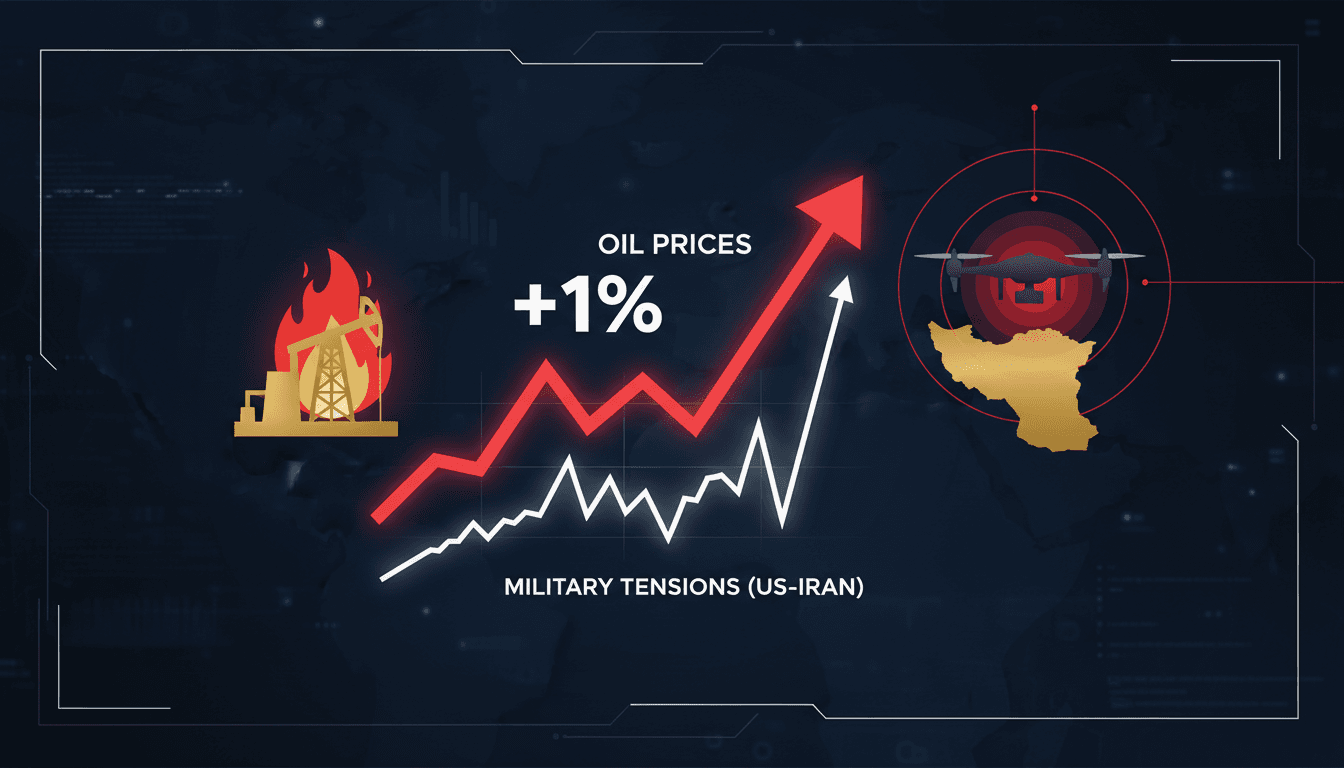
US-Iran military tensions drive oil prices up by 1%
Here's what it means for you.
The recent military tensions between the US and Iran have significant implications for global markets, particularly in the energy sector. Investors are reacting swiftly to the geopolitical risks, leading to a notable rise in oil prices. This volatility could impact economic stability and energy costs worldwide, making it essential for stakeholders to monitor developments closely. As oil prices increase, the performance of various sectors is affected, with oil stocks gaining while technology stocks decline. This shift highlights the interconnectedness of geopolitical events and market dynamics, emphasizing the need for strategic investment decisions.
What happened
Oil prices have surged by 1% due to escalating military operations involving the US and Iran. This increase follows renewed strikes and discussions about expanding military actions, prompting a swift reaction from investors in the stock market. The rise in oil prices is indicative of the market's sensitivity to geopolitical tensions, which can lead to fluctuations in energy costs.
As a result of these developments, oil stocks have seen a rise, while technology stocks have experienced declines. The situation remains fluid, with ongoing military actions likely to influence market performance further. Investors are closely watching these events as they unfold.
The Context
The backdrop of this situation includes former President Trump's consideration of expanding military operations in Iran, which adds to the uncertainty in the region. Recent strikes have not only affected oil prices but have also had a broader impact on stock market performance, showcasing the interconnected nature of geopolitical events and economic outcomes.
The ongoing tensions between the US and Iran are part of a larger narrative that has implications for global energy supply and pricing. As military operations continue, the potential for further escalation remains a key concern for investors and policymakers alike.
Takeaway
Looking ahead, it is crucial to monitor further developments in US-Iran relations, as these could have significant implications for global oil supply and prices. The current military situation may continue to drive oil prices higher, affecting not only energy markets but also broader economic stability.
Investors should remain vigilant, as the volatility in the oil market is likely to persist amid ongoing geopolitical tensions. Understanding these dynamics will be essential for making informed decisions in the coming weeks.
Oil, metals, and agriculture: supply/demand headlines, OPEC chatter, inventories, and price action.
"Solid tape for energy and metals traders tracking macro and micro catalysts."
— A47 Editor
Oil ticks up 1% as Trump said to consider expanding military operations in Iran
Oil prices increased by 1% as President Donald Trump is reportedly considering expanding military operations in Iran amidst escalating tensions between the two nations. This development follows a series of military strikes and retaliatory actions tha...
UAE-based English-language newspaper covering regional politics, economics, and global affairs.
"The National reflects Emirati policy perspectives while maintaining international editorial standards."
— A47 Editor
Manus on Markets: Renewed US-Iran strikes spike oil prices
Renewed military strikes between the United States and Iran have led to a significant spike in oil prices, with Brent crude futures rising nearly 10% as tensions escalate in the Strait of Hormuz. The U.S. has reinstated a naval blockade and conducted...
Global markets, investing, and macroeconomics from a premier financial newsroom.
"Bloomberg is respected for in-depth financial reporting and data-driven analysis."
— A47 Editor
Oil Stocks Rise, Tech Stocks Fall After Latest Iran Strikes
Oil stocks have risen following recent military strikes by the United States against Iran, which have escalated tensions in the region. This development comes amid a backdrop of fluctuating oil prices, with some reports indicating a surge in oil pric...