
Escalating Hormuz Crisis Raises Alarm Over Global Oil Supply Stability
Here's what it means for you.
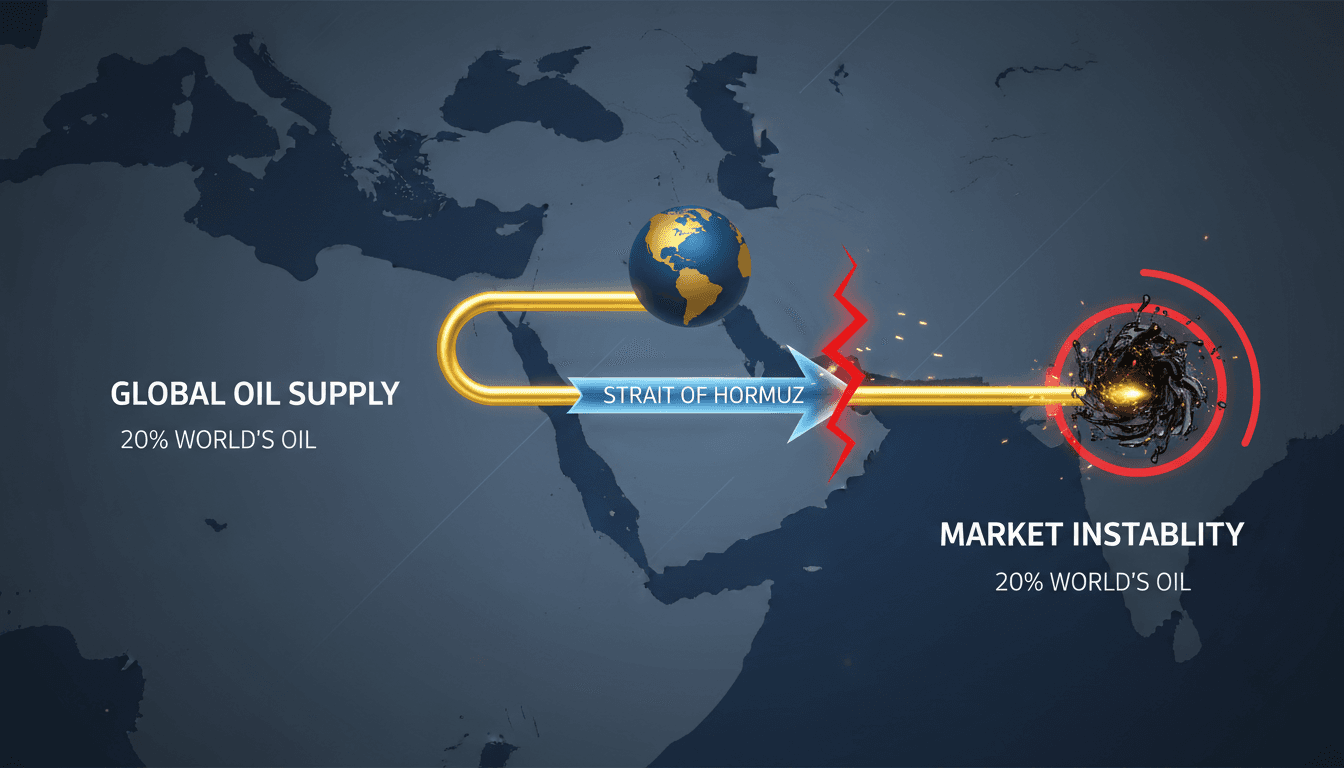
The escalating crisis in the Strait of Hormuz poses significant risks to global oil supply and market stability. With approximately 20% of the world's oil passing through this critical chokepoint, any disruption could lead to increased volatility in oil prices. Stakeholders across various sectors must prepare for potential supply shocks and reassess their energy strategies to mitigate risks. As tensions rise, the implications for both the energy market and the broader economy are profound. Companies and governments alike will need to monitor developments closely to navigate the uncertain landscape ahead.
What happened
The ongoing crisis in the Strait of Hormuz is causing significant stress in global oil markets. While oil flows have not completely halted, the situation remains precarious, prompting concerns about future supply disruptions. The escalation of tensions in the region is raising alarms about the stability of oil supply chains.
Market analysts are increasingly worried about the long-term viability of oil markets without the reliable flow of Hormuz barrels. As the crisis unfolds, the potential for geopolitical responses from affected nations adds another layer of complexity to the situation.
The Context
The Strait of Hormuz is a vital artery for global oil transportation, making it a focal point for energy security. Improvements in oil intensity have somewhat mitigated the economic impacts of the crisis, but market stress signals are on the rise. The reliance on oil from this region underscores its importance to the global economy.
As the crisis continues, stakeholders must consider the broader implications for energy policy and market dynamics. The potential for aggressive political actions by countries seeking to secure their energy needs could further complicate the situation.
Takeaway
As the situation in the Strait of Hormuz evolves, the oil market may experience increased volatility. Stakeholders should closely monitor oil price fluctuations and be prepared for potential geopolitical responses from affected nations. The current crisis could lead to a reassessment of energy strategies as countries aim to mitigate risks associated with supply disruptions.
In the coming weeks, the focus will be on how the crisis develops and its impact on global oil supply and prices. The implications for the broader economy could be significant, making it essential for all involved to stay informed.
Editor-curated FT homepage stories spanning markets, business, world, and opinion.
"The Financial Times is a globally respected business publication with a centrist/center-left tone and strong markets focus."
— A47 Editor
How long can oil markets absorb the Hormuz shock?
Recent developments in the Strait of Hormuz have raised concerns about oil market stability, particularly following a ship attack that disrupted shipping routes and caused oil prices to rebound from their lowest levels since the onset of the Iran war...
Global markets, investing, and macroeconomics from a premier financial newsroom.
"Bloomberg is respected for in-depth financial reporting and data-driven analysis."
— A47 Editor
Oil Market Can’t Live Without Hormuz Barrels for Long
The oil market is facing increasing stress as flows through the Strait of Hormuz, a critical shipping route, have not fully ceased, yet concerns are mounting over potential disruptions. Recent military actions and geopolitical tensions, particularly ...
Regional and international reporting focused on Middle Eastern politics, diplomacy, and economics.
"Asharq Al-Awsat is a Saudi-owned international newspaper reflecting mainstream Gulf political perspectives."
— A47 Editor
Global Economy Faces Fresh Supply Shock as Hormuz Crisis Escalates
The ongoing crisis in the Strait of Hormuz has escalated, leading to significant disruptions in global supply chains and raising concerns about potential price spikes in fuel, freight, and food. Iran's closure of this vital maritime route has intensi...