
U.S. Officials Warn of Escalating Tensions with Iran Over Strait of Hormuz
Here's what it means for you.
The escalating tensions in the Strait of Hormuz could have significant implications for global oil markets and regional stability. With approximately 20% of the world's oil passing through this critical shipping route, any disruption could lead to increased prices and supply chain challenges. U.S. officials are emphasizing the need for a balanced approach that includes both diplomatic negotiations and military readiness to deter Iranian aggression. As the situation develops, stakeholders in the energy sector and policymakers will need to closely monitor Iran's actions and the U.S. response. The outcome of these tensions may shape future energy policies and international relations in the region.
What happened
U.S. Secretary of State Marco Rubio has raised alarms regarding Iran's potential control over the Strait of Hormuz, warning that such a scenario would set a dangerous precedent. His comments come amid rising tensions and shipping disruptions in the region. Rubio emphasized the U.S. willingness to negotiate but criticized Iran for its lack of commitment to diplomacy.
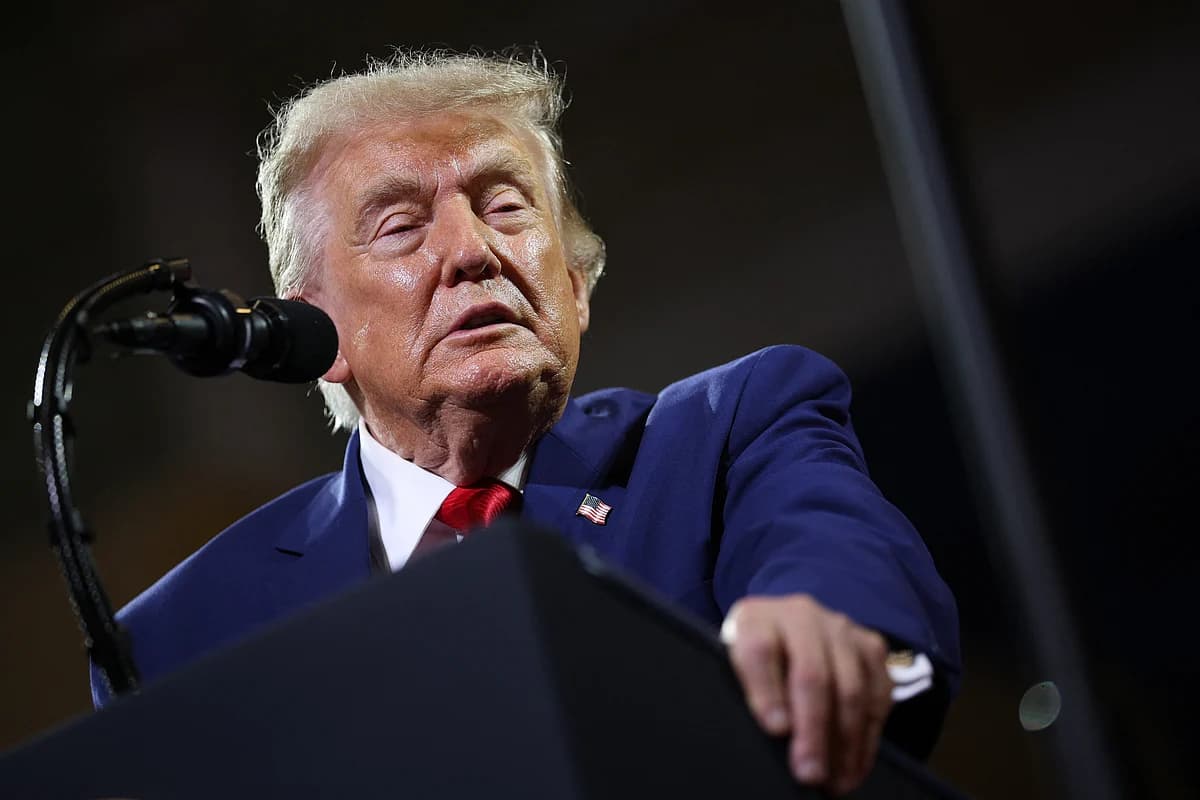
Former President Trump has also threatened military action against Iran if it attacks ships in the area. These statements reflect a growing concern among U.S. officials about Iran's aggressive posture and its implications for global oil supply.
The Context
The Strait of Hormuz is a vital shipping route for global oil supplies, with around 20% of the world's oil passing through it. Iran has been accused of disrupting shipping through threats and attacks, raising alarms about the security of this crucial corridor. The U.S. has expressed openness to negotiations but feels that Iran is not serious about pursuing diplomatic solutions.
The situation is further complicated by the historical context of U.S.-Iran relations, which have been fraught with tension and conflict. As U.S. officials navigate this precarious landscape, the balance between military readiness and diplomatic efforts will be critical in shaping the future of regional stability.
Takeaway
The situation in the Strait of Hormuz remains tense, and future diplomatic efforts will be crucial to prevent further escalation. Observers should watch for potential military responses from the U.S. if Iran escalates its attacks on shipping. Additionally, developments in U.S.-Iran diplomatic negotiations will be key to understanding the trajectory of this conflict.
As tensions continue to rise, the international community will be closely monitoring the implications for global oil markets and regional stability. The outcome of these dynamics could have lasting effects on energy policies and international relations.
English-language digital publication covering business, politics, technology, and current affairs.
"The Arabian Post mixes original and syndicated-style coverage with a broad regional and global business-news orientation."
— A47 Editor
Rubio keeps talks open as shipping crisis widens
U.S. Secretary of State Marco Rubio has kept communication channels open regarding the ongoing shipping crisis, which has intensified due to escalating tensions in the Strait of Hormuz and ongoing military actions against Iran. Despite expressing ske...
Global news coverage with extensive reporting on Middle Eastern conflicts and geopolitics.
"Al Jazeera is a Qatar-based broadcaster known for wide regional coverage and alternative perspectives."
— A47 Editor
Iran toll in Hormuz would set ‘dangerous precedent’ says Rubio
Senator Marco Rubio has expressed concern that the rising toll of military actions in the Strait of Hormuz could set a 'dangerous precedent' for future U.S.-Iran relations, following a series of airstrikes by the United States against Iranian targets...
Comprehensive coverage of Middle Eastern and global issues.
"Al Jazeera is a prominent voice from the Global South, especially the Middle East, with an emphasis on underreported stories."
— A47 Editor
Iran toll in Hormuz would set ‘dangerous precedent’ says Rubio
Senator Marco Rubio has expressed concern that the rising toll of military actions in the Strait of Hormuz could set a 'dangerous precedent' for future U.S.-Iran relations, following a series of airstrikes by the United States against Iranian targets...
Regional and international reporting focused on Middle Eastern politics, diplomacy, and economics.
"Asharq Al-Awsat is a Saudi-owned international newspaper reflecting mainstream Gulf political perspectives."
— A47 Editor
Allowing Iran Control of Hormuz ‘Dangerous Precedent’, Rubio Tells ASEAN
U.S. Senator Marco Rubio has warned that allowing Iran to control the Strait of Hormuz would set a 'dangerous precedent' during discussions with ASEAN diplomats, emphasizing the potential risks of escalating military actions in the region.
Breaking news and analysis from the UAE and Gulf region.
"Khaleej Times is a long-running UAE publication with broad regional coverage."
— A47 Editor
Trump vows to bomb Iran bridges, power plants when it fires on Hormuz ships
President Donald Trump has issued a stark warning to Iran, stating that the United States will target Iranian bridges and power plants if Iran continues to attack ships in the Strait of Hormuz. This declaration comes amid heightened tensions and mili...