
Netanyahu Rejects US Peace Plan for Gaza Amid Rising Tensions
Here's what it means for you.
The rejection of the U.S. peace plan by Israeli Prime Minister Benjamin Netanyahu signals a potential escalation in the ongoing conflict between Israel and Hamas. This decision may impact diplomatic relations and complicate efforts for a ceasefire in the region. Stakeholders, including the U.S. administration, will need to reassess their strategies in light of this development. The implications of this rejection extend beyond immediate tensions, as it reflects deep-rooted issues regarding disarmament and territorial sovereignty. The international community's response will be crucial in shaping the future of peace negotiations.
What happened
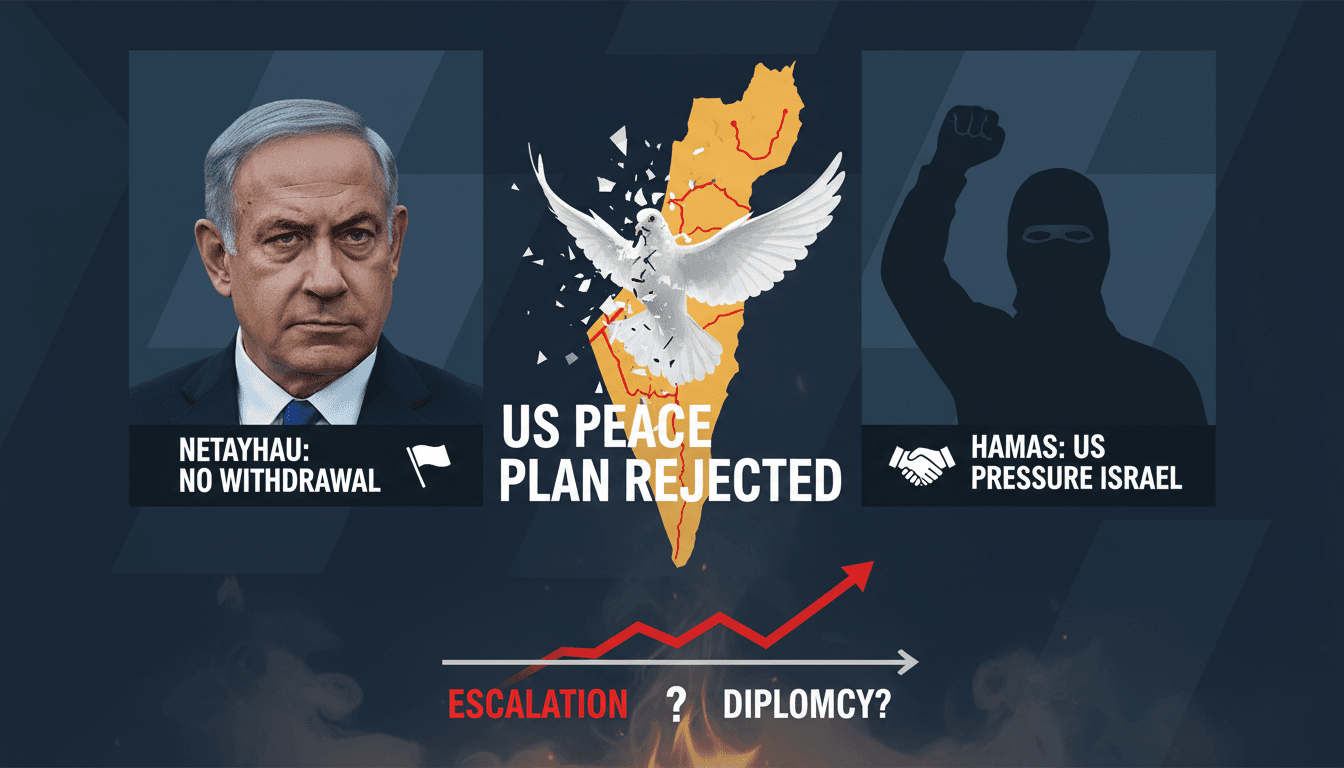
Israeli Prime Minister Benjamin Netanyahu has officially rejected a 15-point peace plan for Gaza proposed by the U.S. peace council. This announcement underscores the ongoing tensions between Israel and Hamas, particularly concerning the future of the ceasefire agreement and the disarmament of Hamas. Netanyahu's firm stance indicates that Israel will not withdraw from Gaza until Hamas is fully disarmed.
The peace plan included provisions aimed at addressing the conflict and establishing a framework for peace, but Netanyahu's refusal highlights Israel's security concerns. Hamas has responded by urging the U.S. and other mediators to pressure Israel for compliance with the ceasefire agreement.
The Context
The backdrop of this rejection involves a complex interplay of regional politics and longstanding grievances between Israel and Hamas. The U.S. peace plan was designed to facilitate a political process for Palestinian statehood while addressing security concerns. However, Netanyahu's declaration that there will be no Palestinian state while he is in office complicates the situation further.
As tensions rise, the likelihood of renewed conflict increases unless diplomatic efforts are made to bridge the gap between the conflicting parties. The international community's role will be crucial in mediating future discussions, especially given the current stalemate.
Takeaway
The rejection of the peace plan may lead to further escalation in the region as both sides remain entrenched in their positions. Observers should watch for potential responses from Hamas and other Palestinian factions regarding Israel's stance. Additionally, reactions from the U.S. administration will be pivotal in shaping the next steps in this ongoing conflict.
The situation remains fluid, and the international community's engagement will be essential in navigating the complexities of the Israeli-Palestinian conflict moving forward.
Arabic-language coverage of international news and geopolitics.
"RT Arabic is a Russian state-funded outlet often criticized for promoting Kremlin-aligned narratives."
— A47 Editor
"أكسيوس": البيت الأبيض غير قلق بشأن رفض نتنياهو لخطة السلام في غزة
Axios reported that the White House, under President Donald Trump, is not concerned about Israeli Prime Minister Benjamin Netanyahu's rejection of the peace plan for Gaza. This indicates a level of detachment from the ongoing peace negotiations in th...
Pan-Arab news coverage spanning politics, business, sports, and regional affairs.
"Asharq Al-Awsat reflects a broad Arab editorial perspective with strong attention to regional geopolitics."
— A47 Editor
رفض إسرائيلي لخطة الرئيس الأميركي بشأن غزة
Israeli Prime Minister Benjamin Netanyahu has explicitly rejected the 15-point plan for Gaza proposed by the U.S. President Donald Trump's Peace Council, indicating a firm stance against the outlined proposals. This rejection highlights ongoing tensi...
Arabic-language coverage of Saudi, regional, and international affairs.
"Al Bilad offers mainstream Saudi newspaper coverage across domestic and broader Arab topics."
— A47 Editor
نتنياهو يرفض «خطة غزة» ويتمسك بنزع سلاح حماس
Israeli Prime Minister Benjamin Netanyahu has rejected the proposed Gaza plan, leading to renewed tensions between Israel and Hamas regarding the future of the ceasefire agreement and the roadmap for the Gaza Strip. Hamas has reaffirmed its commitmen...
Arabic-language coverage of political affairs and current events.
"Okaz political coverage typically follows mainstream Saudi framing on national and regional affairs."
— A47 Editor
إسرائيل ترفض خطة السلام.. نتنياهو: لن ننسحب من غزة ولن تقوم دولة فلسطينية
Israeli Prime Minister Benjamin Netanyahu officially announced that Israel rejects the 15-point Gaza disarmament plan proposed by the Peace Council, which aligns with U.S. President Donald Trump's vision for Gaza. Netanyahu emphasized that Israel wil...