
Iran Conditions Strait of Hormuz Reopening on U.S. Concessions Amid Ceasefire Considerations
Here's what it means for you.
The reopening of the Strait of Hormuz is a pivotal issue that could significantly impact global oil markets and international trade routes. As Iran ties this reopening to U.S. concessions, stakeholders must prepare for potential shifts in diplomatic relations and military strategies. The outcome of these negotiations could influence energy prices and geopolitical stability in the region. The situation underscores the delicate balance between military pressure and diplomatic efforts, highlighting the importance of monitoring developments closely. Businesses and policymakers should remain vigilant as the dynamics evolve.
What happened
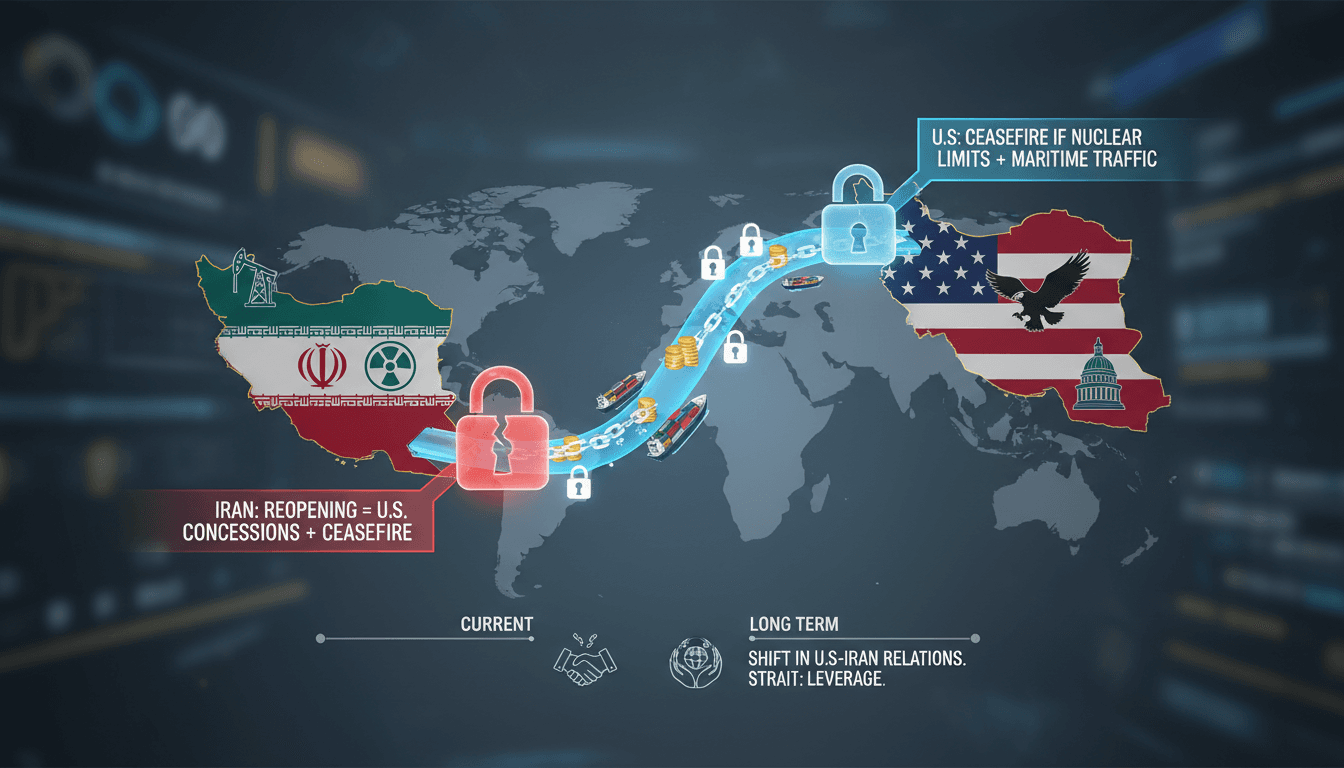
Iran has announced that the reopening of the Strait of Hormuz is contingent upon the cessation of hostilities and U.S. concessions. This announcement comes as President Trump considers extending a ceasefire if Iran agrees to limit its nuclear program and restore maritime traffic. The ongoing conflict has persisted for five months, reflecting the prolonged tensions between the two nations.
Iran's demands include the lifting of sanctions and the withdrawal of U.S. forces from the region. In response, the U.S. is willing to extend the ceasefire if Iran curbs its nuclear ambitions and normalizes shipping through the Strait. This development highlights the critical leverage point that the Strait of Hormuz represents in the broader context of U.S.-Iran relations.
The Context
The Strait of Hormuz is a vital maritime corridor for global oil shipments, making its security a matter of international concern. Iran's strategic positioning allows it to leverage this critical route in negotiations with the U.S., which is currently balancing military pressure with diplomatic overtures. Ongoing discussions with Oman regarding maritime control further complicate the situation, as Iran seeks to solidify its influence in the region.
The backdrop of this negotiation is marked by a complex interplay of military and diplomatic strategies. The U.S. administration is under pressure to respond effectively to Iran's actions while ensuring the stability of oil markets. The potential for a ceasefire hinges on Iran's compliance with nuclear oversight and maritime security, making this a high-stakes scenario for both nations.
Takeaway
As negotiations continue, the potential for both escalation and diplomatic resolution remains. Stakeholders should closely monitor developments in U.S.-Iran negotiations regarding the Strait of Hormuz, as any changes could have significant implications for regional stability and global oil prices. The situation is fluid, with the possibility of shifts in military presence or sanctions from the U.S. in response to Iran's actions.
The outcome of these discussions will be critical in shaping future diplomatic efforts and military strategies in the region. Observers should remain alert to any announcements from both governments that could signal a change in the current trajectory.
Pan-Arab news coverage spanning politics, business, sports, and regional affairs.
"Asharq Al-Awsat reflects a broad Arab editorial perspective with strong attention to regional geopolitics."
— A47 Editor
طهران تقايض «هرمز» بإنهاء الحرب
Tehran has linked the reopening of the Strait of Hormuz to the cessation of war and the fulfillment of its demands from Washington, amid reports that President Donald Trump is prepared to end the confrontation even without a nuclear agreement.
Arabic-language coverage of Saudi, regional, and international affairs.
"Al Bilad offers mainstream Saudi newspaper coverage across domestic and broader Arab topics."
— A47 Editor
ترمب يربط وقف النار الدائم بالسيطرة على «النووي».. واشنطن: التهدئة مرهونة بفتح «هرمز»
Recent developments in the U.S.-Iranian relations indicate efforts to establish a conditional ceasefire, with U.S. officials stating that President Donald Trump may extend the ceasefire indefinitely if Washington can ensure that Iran's nuclear progra...
Arabic-language reporting on global and regional news.
"BBC Arabic is part of the BBC, generally regarded for editorial standards and broad international coverage."
— A47 Editor
ترامب يقول إن واشنطن تتعامل بـ"هدوء" مع إيران، وطهران تضع شروطاً لإعادة فتح مضيق هرمز
President Trump stated that Washington is handling its relations with Iran with 'calm', while Tehran has set conditions for reopening the Strait of Hormuz. The Trump administration prefers to continue economic pressure on Iran amidst ongoing diplomat...
Arabic-language coverage of international news and geopolitics.
"RT Arabic is a Russian state-funded outlet often criticized for promoting Kremlin-aligned narratives."
— A47 Editor
مفاوضات هرمز.. شروط إيران وحسابات ترامب
Negotiations concerning the Strait of Hormuz have emerged, highlighting Iran's conditions and the strategic calculations of former President Trump. The discussions are pivotal in understanding the geopolitical dynamics in the region, particularly reg...
Arabic-language coverage of international news and geopolitics.
"RT Arabic is a Russian state-funded outlet often criticized for promoting Kremlin-aligned narratives."
— A47 Editor
ليس الاتفاق النووي.."وول ستريت جورنال": ترامب لوح بإمكانية وقف الحرب ضد إيران بشرط واحد
According to the Wall Street Journal, U.S. officials report that President Donald Trump is paving the way for a declaration of victory in the war against Iran, contingent upon Tehran fully reopening the Strait of Hormuz. This development highlights t...
Arabic-language coverage of political affairs and current events.
"Okaz political coverage typically follows mainstream Saudi framing on national and regional affairs."
— A47 Editor
مسؤولون أمريكيون: تمديد الهدنة مع إيران مرهون بفتح هرمز
American officials suggest that President Donald Trump may extend the ceasefire with Iran if Tehran successfully curbs its nuclear program and fully resumes shipping traffic through the Strait of Hormuz. The Wall Street Journal reported that Washingt...