
Trump Claims U.S. Control Over Strait of Hormuz Amid Rising Tensions with Iran
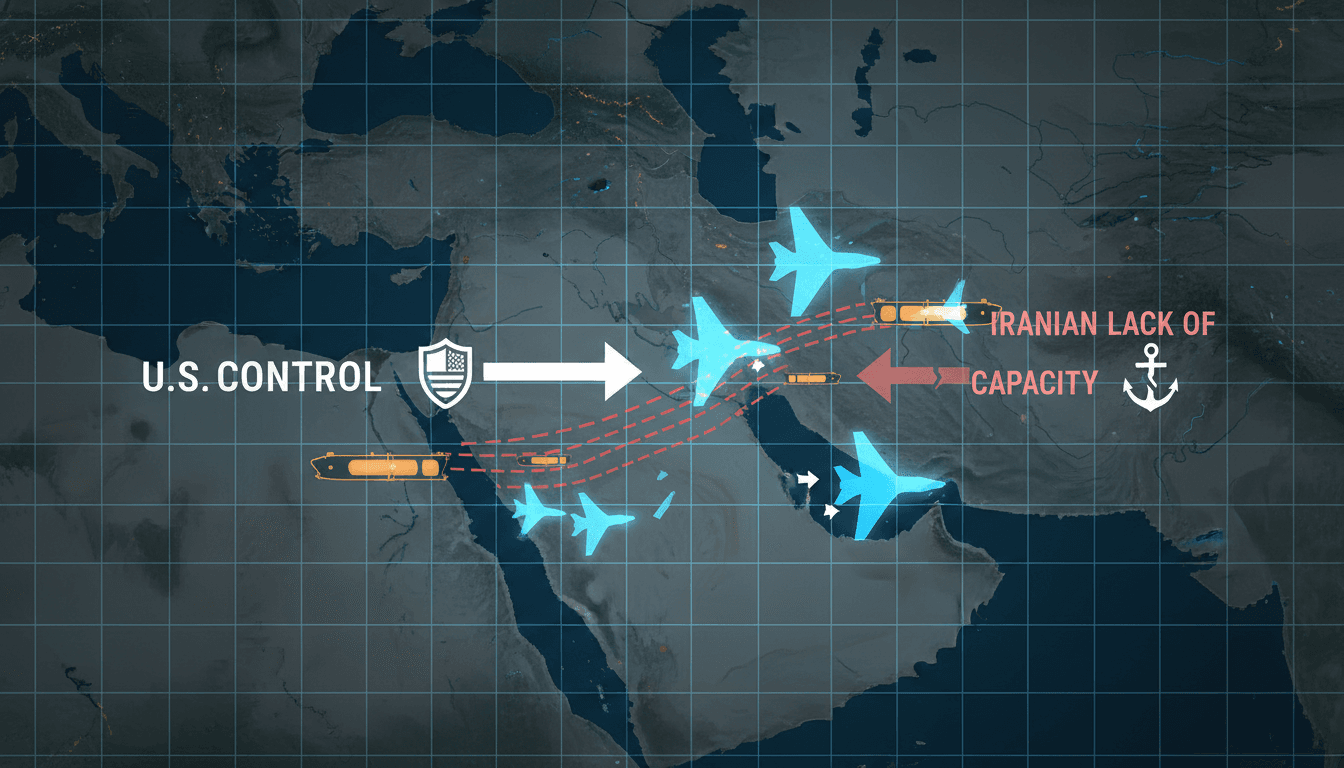
Here's what it means for you.
President Trump's assertion of U.S. control over the Strait of Hormuz signals a significant shift in the geopolitical landscape, particularly for global oil markets. This declaration may lead to increased military presence in the region, impacting oil prices and trade routes. Stakeholders in energy sectors should prepare for potential volatility as tensions escalate between the U.S. and Iran. The implications of this situation extend beyond immediate military concerns, as economic pressures may also intensify. Companies operating in or reliant on Middle Eastern oil should closely monitor developments, as any confrontation could disrupt supply chains.
What happened
President Donald Trump has publicly declared that the United States has complete control over the Strait of Hormuz, a vital maritime route for oil transport. This statement comes amid escalating tensions between the U.S. and Iran, with Trump asserting that Iran lacks the military and economic capacity to challenge U.S. dominance in the region. He criticized Iran's capabilities while emphasizing the strategic importance of the Strait.
Trump's comments reflect a hardline approach towards Iran, which has been unwilling to engage in discussions regarding a ceasefire extension. The U.S. has imposed what Trump described as a "steel blockade" on Iran, further complicating the already strained relations between the two nations.
The Context
The Strait of Hormuz is crucial for global oil transportation, with a significant percentage of the world's oil passing through this narrow waterway. Trump's remarks come at a time when U.S.-Iran relations are particularly fragile, marked by a series of confrontations and diplomatic failures. Iran has consistently rejected U.S. overtures for negotiations, maintaining a defiant stance against American influence in the region.
The geopolitical stakes are high, as both nations prepare for potential military posturing. The U.S. aims to assert its dominance, while Iran seeks to maintain its sovereignty and resist external pressures. This ongoing conflict underscores the delicate balance of power in the Middle East.
Takeaway
As tensions rise, the likelihood of confrontations in the region increases, with both the U.S. and Iran potentially preparing for further military actions. Observers should monitor developments in U.S.-Iran relations closely, particularly any responses from Iran to Trump's claims. The situation may lead to heightened military presence and economic sanctions, impacting not only regional stability but also global oil markets.
Diplomatic efforts may be stymied as both sides remain entrenched in their positions. The potential for escalation remains high, making it essential for stakeholders to stay informed about the evolving dynamics in this critical area.
Arabic-language reporting on global and regional news.
"BBC Arabic is part of the BBC, generally regarded for editorial standards and broad international coverage."
— A47 Editor
إيران تقول إنه لا مناقشات مع الولايات المتحدة بشأن تمديد وقف إطلاق النار
Iran has stated that there are no discussions with the United States regarding the extension of the ceasefire, emphasizing the need for Washington to return to the interim agreement and establish a timeline for fulfilling its commitments.
Arabic-language coverage of Saudi, regional, and international affairs.
"Al Bilad offers mainstream Saudi newspaper coverage across domestic and broader Arab topics."
— A47 Editor
أكد أن إيران عاجزة عن تغيير المعادلة.. ترمب: واشنطن تسيطر بالكامل على مضيق هرمز
U.S. President Donald Trump has intensified his rhetoric against Iran, declaring that the United States has complete control over the Strait of Hormuz, a critical maritime passage for global oil transport. He asserted that Tehran no longer possesses ...
Arabic-language coverage of international news and geopolitics.
"RT Arabic is a Russian state-funded outlet often criticized for promoting Kremlin-aligned narratives."
— A47 Editor
ترامب: نسيطر بشكل كامل على مضيق هرمز وإيران لم تعد "المتنمر" في الشرق الأوسط.. الحمد لله
On Wednesday, U.S. President Donald Trump announced that the United States has complete control over the Strait of Hormuz, asserting that the country may maintain this dominance. He emphasized that Iran is no longer the 'bully' in the Middle East, ex...
Arabic-language coverage of international news and geopolitics.
"RT Arabic is a Russian state-funded outlet often criticized for promoting Kremlin-aligned narratives."
— A47 Editor
ترامب: نملك سيطرة كاملة على هرمز ولا أثق بإيران
On Tuesday, U.S. President Donald Trump stated that he does not trust Iran, claiming that the United States currently has 'full control' over the Strait of Hormuz. This statement reflects ongoing tensions between the U.S. and Iran, particularly regar...
Arabic-language coverage of international news and geopolitics.
"RT Arabic is a Russian state-funded outlet often criticized for promoting Kremlin-aligned narratives."
— A47 Editor
ترامب: نفرض حصارا فولاذيا على إيران ونسمح فقط بمرور السفن التي لا تتجه إليها (فيديو)
During a press conference at the White House, President Donald Trump announced that the United States is imposing a steel blockade on Iran, allowing only ships that do not head towards the country to pass through. This statement underscores the ongoi...