
Iran appoints hardline military leaders amid stalled US negotiations
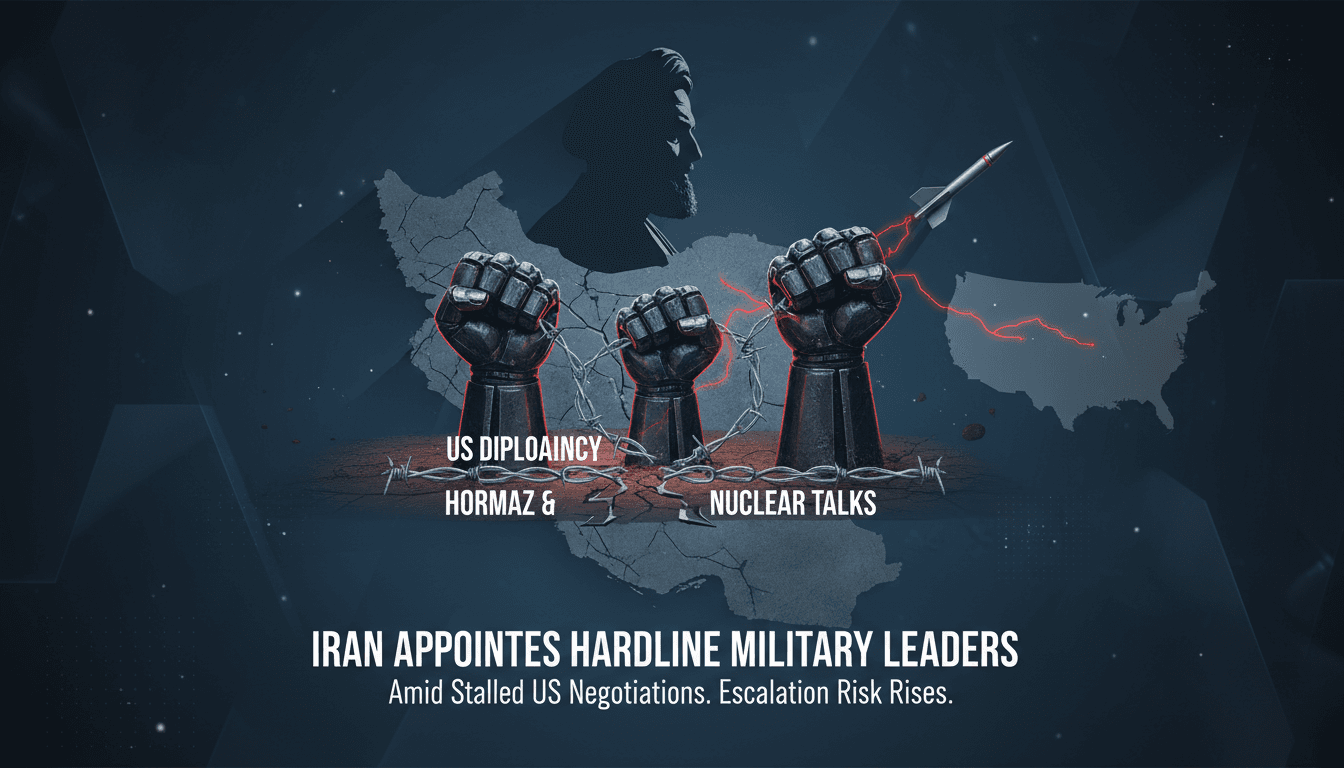
Here's what it means for you.
The recent appointments of hardline military leaders in Iran signal a shift towards a more aggressive stance against the United States, which could have significant implications for regional stability. As negotiations over the Strait of Hormuz and nuclear issues remain stalled, Iran's demands for concessions from Washington are likely to escalate tensions. This development may complicate diplomatic efforts and increase the risk of military confrontations in the Gulf region. The consolidation of power among hardliners within Iran's military and security apparatus suggests a long-term strategy focused on confrontation rather than cooperation. Stakeholders in international relations should closely monitor the evolving dynamics as Iran asserts its demands more forcefully.
What happened
Iran's Supreme Leader Mojtaba Khamenei has appointed several hardline military leaders, reinforcing a confrontational approach towards the United States. This restructuring includes key figures in the Revolutionary Guards and military leadership, marking one of the most significant military leadership changes in Iran since Khamenei took power. Notably, Ali Abdollahi has been appointed as the head of Iran's armed forces, while Mohsen Rezaei has been named Secretary of the Supreme National Security Council.
These appointments come amid stalled negotiations regarding the Strait of Hormuz and nuclear issues, with Iran demanding concessions from Washington before reopening this vital waterway. The leadership changes reflect a broader trend of increasing tensions between Iran and the U.S., particularly concerning nuclear negotiations.
The Context
The strategic importance of the Strait of Hormuz cannot be overstated, as it is a critical passage for global oil shipments. Iran has made it clear that the waterway will remain closed until the U.S. meets its demands, indicating a willingness to leverage its control over this region. The recent military appointments signal a consolidation of power among hardliners, which may lead to a more aggressive posture in Iran's dealings with the U.S.
This shift in leadership occurs against a backdrop of heightened tensions and a lack of progress in diplomatic negotiations. The hardline approach taken by Iran's new military leaders suggests that the country is preparing for a prolonged confrontation rather than seeking immediate resolutions.
Takeaway
The hardline appointments in Iran indicate a likely escalation in confrontational policies, complicating any potential diplomatic resolutions with the U.S. Stakeholders should monitor U.S. responses to these military changes and Iran's demands regarding the Strait of Hormuz. As tensions rise, there may be an increase in military activity in the Gulf region, which could further destabilize the area.
The implications of these developments extend beyond immediate military concerns, as they may affect global oil markets and international diplomatic relations. Observers should remain vigilant as the situation evolves, particularly regarding any shifts in U.S. policy in response to Iran's aggressive stance.
English-language digital publication covering business, politics, technology, and current affairs.
"The Arabian Post mixes original and syndicated-style coverage with a broad regional and global business-news orientation."
— A47 Editor
Iran sharpens military posture as US talks stall
Iran has intensified its military posture by appointing hardline commanders and enhancing offensive capabilities as negotiations with the United States remain stalled, indicating a shift towards a prolonged confrontation in the Gulf region. Supreme L...
Arabic-language coverage of political affairs and current events.
"Okaz political coverage typically follows mainstream Saudi framing on national and regional affairs."
— A47 Editor
بتعيينه قيادات أكثر تشدداً.. هل اختار مجتبى خامنئي تصعيد المواجهة مع واشنطن؟
Iran's Supreme Leader Mojtaba Khamenei has appointed hardline security and military figures to key positions, including Mohsen Rezaei as Secretary of the Supreme National Security Council, amidst escalating tensions with the United States and stalled...
Conservative-leaning political and national coverage.
"The Washington Times is a conservative-leaning newspaper known for its political coverage and advocacy of right-of-center viewpoints."
— A47 Editor
Hardliners strengthen grip on power in Tehran, demand concessions from Trump before reopening strait
Supreme Leader Mojtaba Khamenei has reinforced the power of hardliners in Iran by appointing them to key positions within the security and intelligence sectors, signaling a potential escalation in tensions. This move comes as Iran demands concessions...
European coverage of Middle East politics and security issues.
"France 24 offers international reporting with a European editorial perspective."
— A47 Editor
Iran's supreme leader appoints Guards general as military head
Iran's Supreme Leader Mojtaba Khamenei appointed Revolutionary Guards General Ali Abdollahi as the new head of the armed forces, alongside confirming a new commander for the Guards. This move comes amid heightened tensions in the region, particularly...
Coverage of current events and conflicts in the Middle East.
"France 24 is viewed as a globally focused outlet with balanced coverage and a European perspective."
— A47 Editor
Iran's supreme leader appoints Guards general as military head
Iran's Supreme Leader Mojtaba Khamenei appointed Revolutionary Guards General Ali Abdollahi as the new head of the armed forces, alongside confirming a new commander for the Guards. This move comes amid heightened tensions in the region, particularly...