
US shifts focus in Iran conflict prioritizing oil prices over nuclear concerns
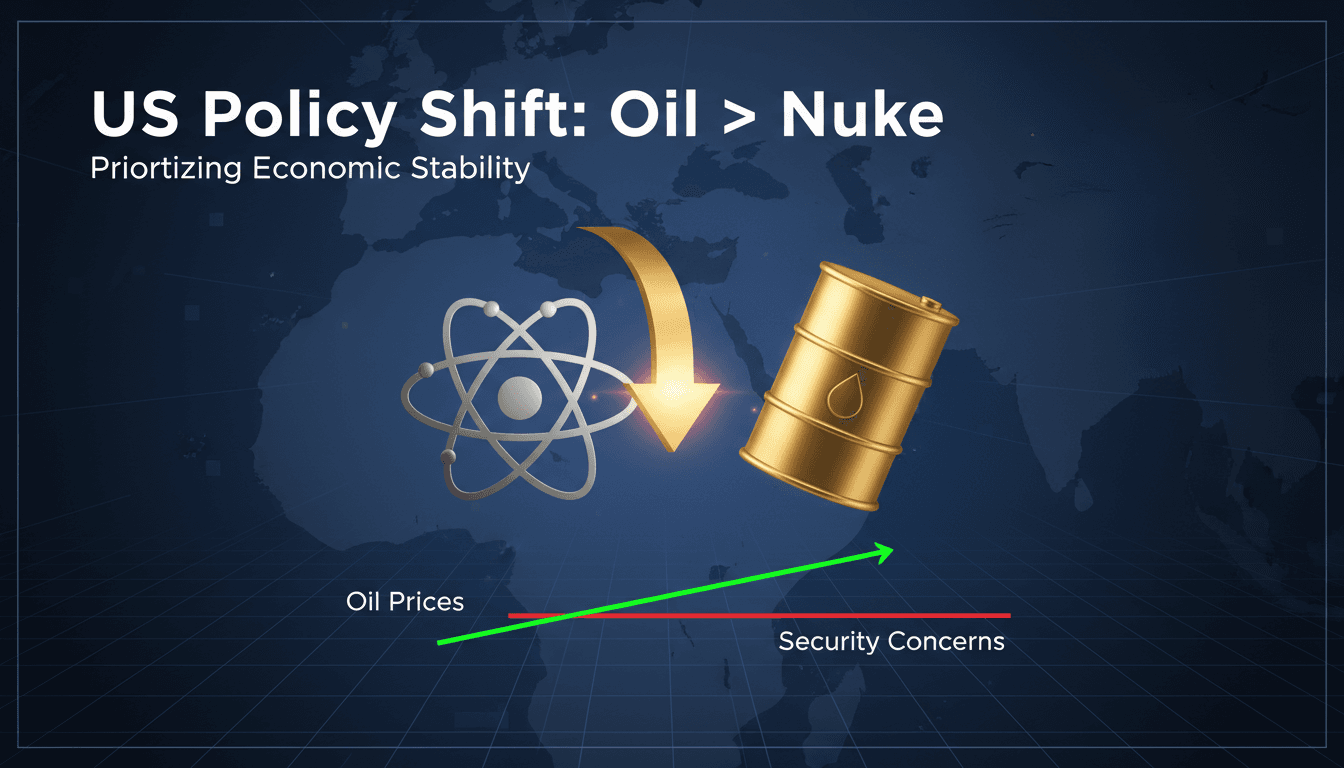
Here's what it means for you.
The U.S. government's new strategy in the Iran conflict, as articulated by Vice President JD Vance, signals a significant shift in foreign policy priorities. By emphasizing the importance of keeping oil and gasoline prices low for Americans, the administration is responding to domestic economic pressures that influence international relations. This approach may reshape public perception and political discourse surrounding U.S. military actions in the Middle East. As economic stability takes precedence over traditional security concerns, stakeholders in the energy sector and policymakers will need to adapt to this evolving landscape. The implications of this shift could resonate across various markets, affecting everything from oil prices to military engagement strategies.
What happened
Vice President JD Vance has outlined a new U.S. strategy regarding the conflict with Iran, prioritizing the need to keep oil and gasoline prices low for American consumers. He stated that preventing Iran from acquiring nuclear weapons is now a secondary concern. This marks a departure from previous administrations, particularly that of President Trump, who focused primarily on the nuclear threat as the main justification for military involvement.
Vance's comments reflect a broader shift in U.S. policy priorities, highlighting the economic implications of international conflicts. The emphasis on oil prices suggests that domestic economic considerations are increasingly influencing foreign policy decisions. This change in focus may lead to a reevaluation of how the U.S. engages with Iran and other nations in the region.
The Context
The recent statements by Vice President Vance underscore a significant pivot in U.S. policy regarding Iran, moving away from a security-centric approach to one that prioritizes economic stability. This shift comes at a time when domestic economic pressures are mounting, prompting the government to reassess its foreign policy strategies. The focus on oil prices is particularly relevant given the ongoing volatility in global energy markets.
This new direction may influence public perception and political discourse surrounding U.S. military actions, as citizens increasingly connect foreign policy decisions to their everyday economic realities. The implications of this strategy extend beyond Iran, potentially affecting U.S. relations with other countries in the Middle East where oil plays a crucial role in both domestic and international politics.
Takeaway
As the U.S. continues to navigate its foreign policy landscape, the emphasis on economic factors may lead to further evolution in its approach to the Iran conflict. Observers should watch for potential shifts in U.S. foreign policy driven by domestic economic pressures, which could redefine alliances and strategies in the region. Responses from Iran regarding U.S. military actions and economic sanctions will also be critical to monitor.
The prioritization of oil prices over nuclear concerns suggests that economic stability will increasingly shape U.S. engagement in international conflicts. This evolving strategy may have lasting implications for both domestic and foreign policy, as the government seeks to balance economic interests with security concerns.
Pan-Arab political news and analysis.
"Al-Quds Al-Arabi is a London-based Arabic newspaper known for political coverage."
— A47 Editor
فانس يقول إن الهدف الرئيسي للحرب ضد إيران هو الحفاظ على أسعار النفط منخفضة
U.S. Vice President J.D. Vance stated that the primary goal of the U.S. in the war against Iran is to keep oil and gasoline prices low for Americans, while preventing Tehran from acquiring nuclear weapons is a secondary concern. This statement contra...
Pan-Arab news coverage spanning politics, business, sports, and regional affairs.
"Asharq Al-Awsat reflects a broad Arab editorial perspective with strong attention to regional geopolitics."
— A47 Editor
فانس: الهدف الرئيسي للحرب ضد إيران هو الحفاظ على أسعار النفط منخفضة
On Thursday, U.S. Vice President Jay D. Vance stated that the primary objective of the United States in its conflict with Iran is to keep oil and gasoline prices low for Americans. This statement highlights the economic considerations that underpin U...
Regional coverage and analysis focused on politics, diplomacy, and business across the Middle East.
"Al-Monitor is known for analytical reporting on Middle East politics and policy developments."
— A47 Editor
Vance says low oil prices are top US goal in Iran conflict
Vice President JD Vance stated that the primary goal of the United States in the ongoing conflict with Iran is to maintain low oil and gasoline prices for American consumers, with preventing Iran from obtaining nuclear weapons as a secondary concern....