
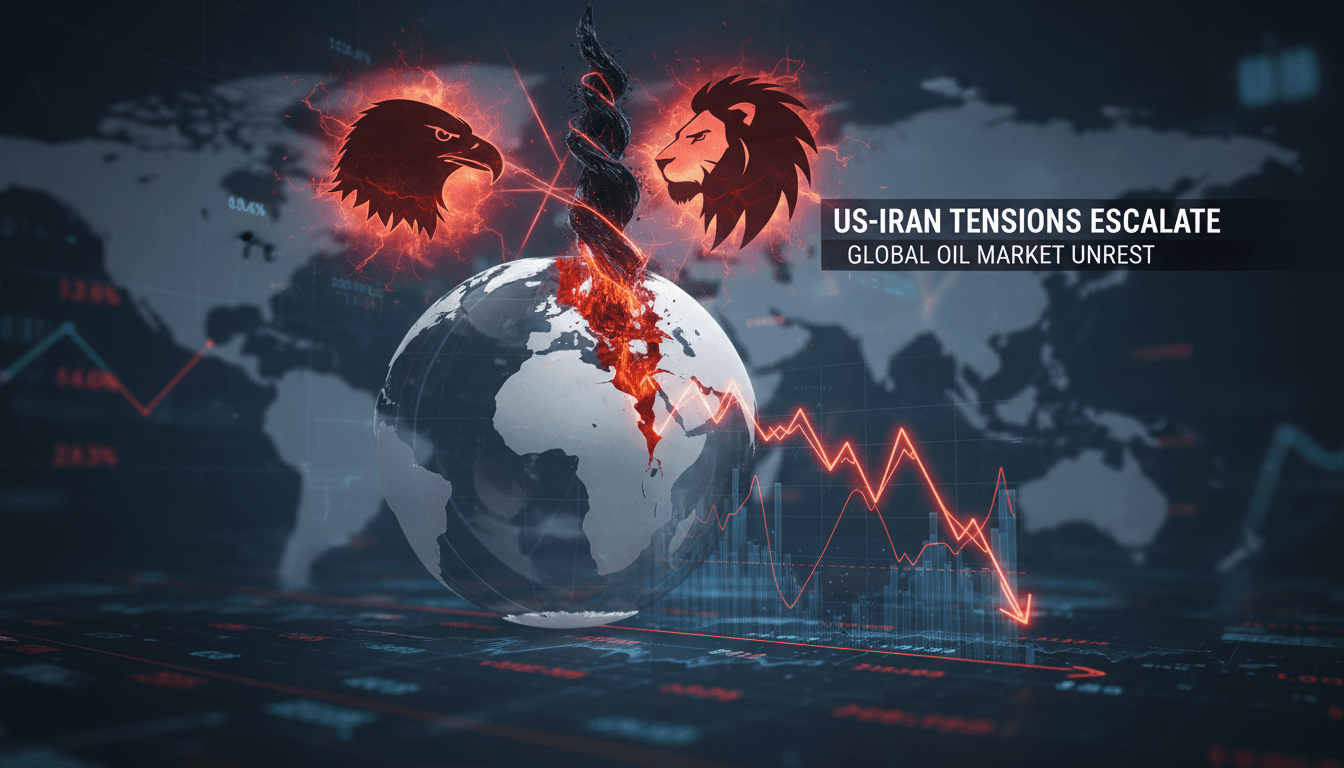
US-Iran tensions escalate following expired agreement
Here's what it means for you.
The expiration of the temporary agreement between the U.S. and Iran signals a potential shift in geopolitical dynamics, particularly affecting global oil markets and regional stability. As both nations prepare for possible military escalation, businesses and investors should brace for volatility in oil prices and supply chains. Policymakers will need to closely monitor developments to navigate the implications for international relations and economic sanctions.
What happened
Tensions between the United States and Iran have escalated as the 60-day deadline for a temporary agreement has expired without resolution. This lapse has resulted in increased threats and military posturing from both sides. President Trump has indicated a shift towards more aggressive measures against Iran, emphasizing the importance of preventing the nation from acquiring nuclear weapons. In response, Iranian officials have warned of potential military action if diplomatic negotiations do not yield results.
The expiration of the agreement has raised concerns about renewed hostilities, particularly in the strategically vital Strait of Hormuz. This region is crucial for global oil shipments, and any military escalation could disrupt supply and impact global markets. The situation remains precarious as both nations appear unwilling to compromise.
The Context
The U.S. has imposed a maritime blockade on Iran, claiming control over the Strait of Hormuz, which has heightened tensions in the region. Iranian officials have made it clear that they are prepared to shift from a defensive to an offensive posture if diplomatic efforts fail. The backdrop of these developments includes Iran's severe economic crisis, highlighted by an inflation rate of 300%, largely attributed to U.S. sanctions.
President Trump's administration has consistently prioritized preventing Iran from obtaining nuclear weapons, which adds another layer of complexity to the ongoing negotiations. The geopolitical stakes are high, as both nations navigate a landscape fraught with potential conflict and economic repercussions.
Takeaway
The expiration of the agreement could lead to renewed hostilities, with both sides preparing for potential escalation or renewed negotiations. Observers should monitor developments in U.S.-Iran diplomatic communications closely, as any shifts could significantly impact regional stability. Additionally, military movements in the Strait of Hormuz will be critical to watch, given its importance for global oil supply.
As the situation evolves, the international community will be keenly interested in how both nations respond to the current impasse. The potential for increased sanctions or military action could reshape the geopolitical landscape in the Middle East.
Pan-Arab news coverage spanning politics, business, sports, and regional affairs.
"Asharq Al-Awsat reflects a broad Arab editorial perspective with strong attention to regional geopolitics."
— A47 Editor
«الحرس الثوري» يلوّح بـ «تحوّل هجومي»
The Iranian Revolutionary Guard Corps has signaled a potential shift from defensive operations to offensive actions, coinciding with U.S. President Donald Trump's heightened demands from Tehran as the sixty-day period outlined in a memorandum comes t...
Arabic-language coverage of Saudi, regional, and international affairs.
"Al Bilad offers mainstream Saudi newspaper coverage across domestic and broader Arab topics."
— A47 Editor
مسؤول إيراني يهدد بالتصعيد إذا فشلت الدبلوماسية
A senior Iranian official has warned that Iran will escalate tensions in the Strait of Hormuz and the region, potentially shifting from a defensive to an offensive posture if diplomatic efforts with the United States fail or if Washington does not ad...
Arabic-language coverage of political affairs and current events.
"Okaz political coverage typically follows mainstream Saudi framing on national and regional affairs."
— A47 Editor
لا تمديد لمذكرة التفاهم.. ترمب يلوّح بتشديد الخناق على إيران وإجراءات أقسى
U.S. President Donald Trump announced that he does not seek to extend the memorandum of understanding with Iran, asserting that the U.S. fully controls the Strait of Hormuz through a maritime blockade. He hinted at the possibility of implementing str...
Arabic-language coverage of political affairs and current events.
"Okaz political coverage typically follows mainstream Saudi framing on national and regional affairs."
— A47 Editor
ترمب: نتواصل مباشرة مع الحرس الثوري.. وعلى إيران أن تستسلم
U.S. President Donald Trump revealed that there is direct communication with Iranian Revolutionary Guard officials, emphasizing that he is not in a hurry regarding Iran. He stated that Iran must surrender and highlighted ongoing U.S. naval blockades ...
Arabic-language coverage of political affairs and current events.
"Okaz political coverage typically follows mainstream Saudi framing on national and regional affairs."
— A47 Editor
الـ60 يوماً انتهت..هل يعود الصدام بين واشنطن وطهران؟
U.S. President Donald Trump reiterated that Iran must not possess nuclear weapons in any form, emphasizing the importance of preventing such developments. As the 60-day deadline outlined in the U.S.-Iran memorandum from June has expired, the future o...
Arabic-language coverage of Saudi, regional, and international affairs.
"Al Bilad offers mainstream Saudi newspaper coverage across domestic and broader Arab topics."
— A47 Editor
تصعيد حول «هرمز».. ترمب: إيران تحت الضغط والإجراءات الصارمة
The confrontation between the United States and Iran has escalated, coinciding with the nearing end of a ceasefire and stalled negotiations. The Strait of Hormuz has emerged as a central point of political, economic, and security conflict, with Presi...