
Ethiopia asserts control over Nile water flow escalating tensions with Egypt and Sudan
Here's what it means for you.
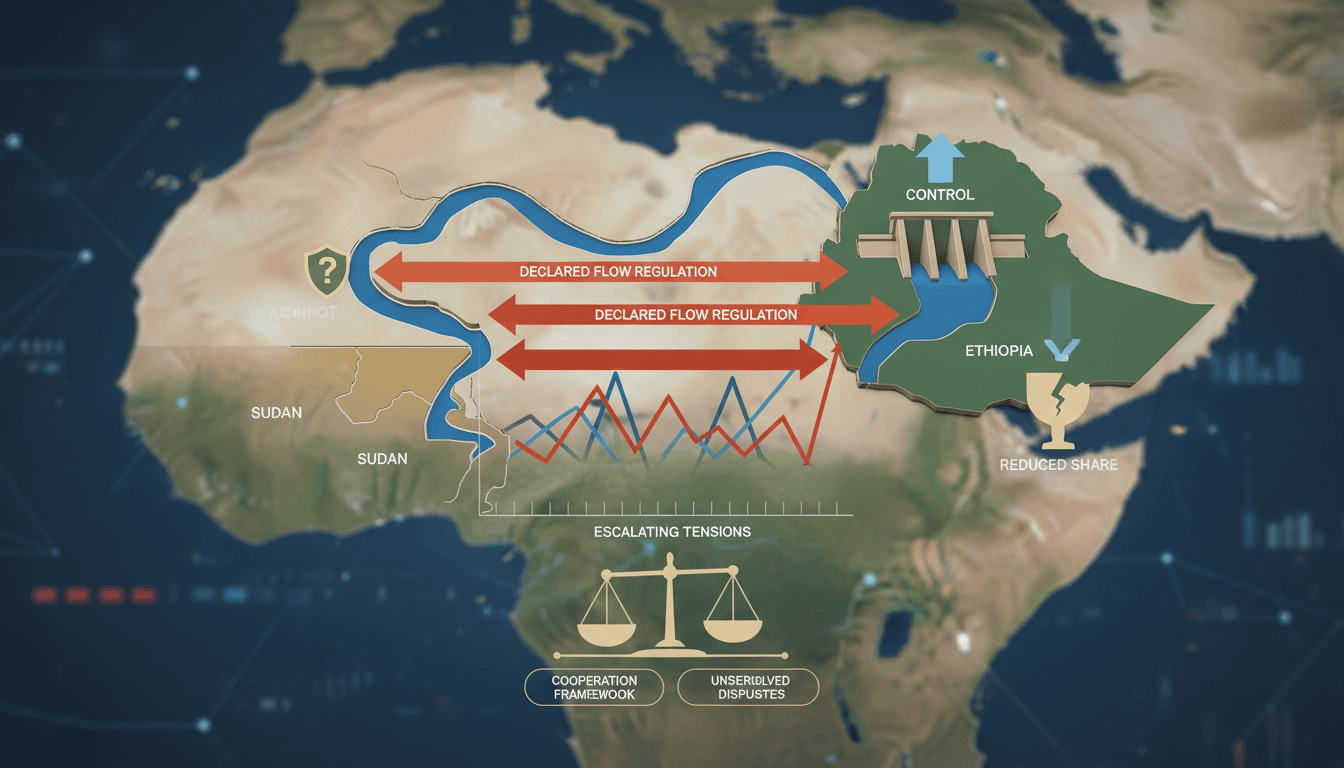
Ethiopia's declaration of control over the Nile's water flow signals a critical shift in regional dynamics, particularly affecting Egypt and Sudan. This move could lead to heightened diplomatic tensions, impacting water security and regional cooperation. Stakeholders in water management and international relations should closely monitor developments as they may influence policy decisions and investment strategies in the region.
What happened
Ethiopia has officially declared its control over the Nile's water flow, a decision that has escalated geopolitical tensions with downstream nations Egypt and Sudan. This announcement was made by Ethiopia's Minister of Water and Energy, Habtamu Itefa, who emphasized the need for a cooperative framework for Nile water management. The Ethiopian government argues that such a framework would ensure fair and sustainable use of the river's resources.
The declaration comes amid ongoing disputes surrounding the Grand Ethiopian Renaissance Dam (GERD), which has been a focal point of contention between the three countries involved. Ethiopia's assertion of control raises significant concerns for Egypt and Sudan regarding their water security and access to vital resources.
The Context
The Nile River is a crucial water source for millions, making its management a matter of national interest for Ethiopia, Egypt, and Sudan. Ethiopia's push for a new cooperative agreement reflects its desire to assert its rights over Nile water management, a move that has been met with apprehension from its downstream neighbors. The situation has been exacerbated by the construction of the GERD, which Egypt and Sudan fear could diminish their water supply.
As tensions rise, the geopolitical landscape in the region becomes increasingly complex. The three countries have a long history of disputes over water rights, and Ethiopia's recent declaration could further strain diplomatic relations. The timing of this announcement is critical, as it coincides with ongoing negotiations that have yet to yield a satisfactory resolution for all parties involved.
Takeaway
The situation surrounding Ethiopia's control over the Nile's water flow is likely to escalate, prompting potential responses from Egypt and Sudan. Observers should watch for possible diplomatic negotiations or conflicts as the three countries navigate this contentious issue. International reactions to Ethiopia's claims will also play a significant role in shaping the future of regional stability.
As Ethiopia continues to assert its position, the implications for water security and cooperative management of the Nile will remain at the forefront of discussions. Stakeholders must remain vigilant as developments unfold, as the potential for increased tensions or conflict looms large.
Arabic-language coverage of Saudi, regional, and international affairs.
"Al Bilad offers mainstream Saudi newspaper coverage across domestic and broader Arab topics."
— A47 Editor
إثيوبيا تعلن سيطرتها على النيل.. ومختصون مصريون: ستواجه بردع والمادة 33
Ethiopia's Minister of Water and Energy, Habtamu Itefa, has announced that the flow of the Nile River towards downstream countries, Egypt and Sudan, is now fully under Ethiopia's control, escalating geopolitical tensions in the region. This declarati...
Arabic-language coverage of international news and geopolitics.
"RT Arabic is a Russian state-funded outlet often criticized for promoting Kremlin-aligned narratives."
— A47 Editor
بعد سد النهضة.. إثيوبيا تتحدث عن مرحلة جديدة للسيطرة على تدفقات النيل
Ethiopian Minister of Water and Energy, Habtamu Itefa, announced the country's intention to control the flow of Nile waters heading to Egypt and Sudan, a statement that has sparked renewed controversy in Cairo and Khartoum.
Arabic-language coverage of international news and geopolitics.
"RT Arabic is a Russian state-funded outlet often criticized for promoting Kremlin-aligned narratives."
— A47 Editor
أخطر من سد النهضة؟.. إثيوبيا تتمسك باتفاقية تعيد صياغة قواعد مياه النيل
Ethiopian Minister of Water, Habtamu Itefa, reaffirmed the country's commitment to the Cooperative Framework Agreement for the Nile Basin, emphasizing that it establishes the legal rights of riparian states and promotes fair and sustainable use of th...