
Trump Endorses Mecca Defense Pact Among Saudi Arabia, Turkey, and Pakistan
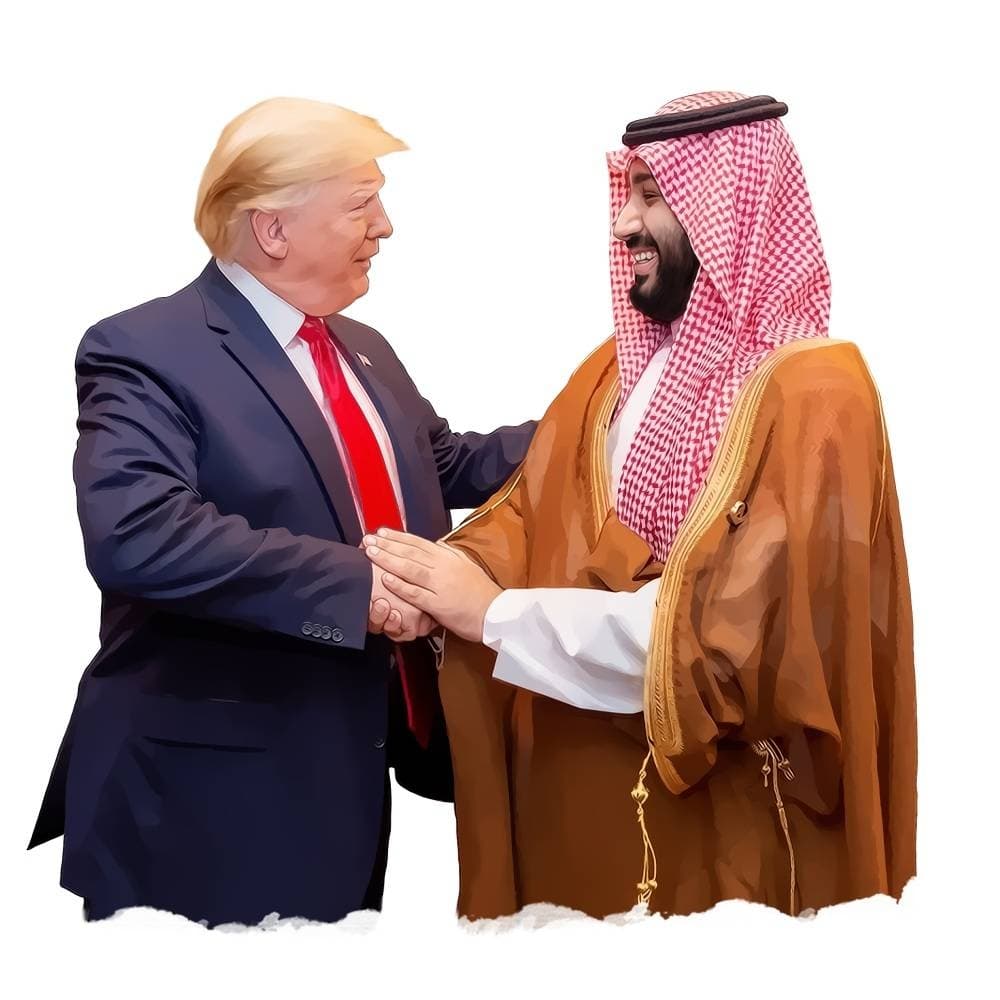
Here's what it means for you.
If you operate in or trade with the Gulf region, the new defense pact could reshape security dynamics and economic partnerships.
Why it matters
This agreement signals a shift towards regional self-reliance in defense, potentially altering the geopolitical landscape and economic interactions in the Gulf.
What happened (in 30 seconds)
- On August 7, 2026, Saudi Arabia, Turkey, and Pakistan signed the Mecca Joint Defense Agreement, committing to mutual defense.
- On August 17, 2026, U.S. President Donald Trump endorsed the agreement, highlighting its importance for regional security.
- Initial reactions from U.S. officials and regional analysts have been positive, with no immediate market disruptions reported.
The context you actually need
- The agreement arises amid shifting regional security dynamics, particularly concerning Iran's influence and U.S. policy changes.
- Signatories aim to enhance collective defense mechanisms, reducing reliance on external security guarantees.
- The pact reflects a broader trend of nations in the region seeking to bolster their defense capabilities independently.
What's really happening
The Mecca Joint Defense Agreement marks a significant pivot in Middle Eastern geopolitics, driven by a confluence of factors including regional security threats and evolving international alliances. Saudi Arabia, Turkey, and Pakistan, three influential Muslim-majority nations, have recognized the need for a unified defense strategy in light of increasing tensions, particularly with Iran. This agreement establishes a framework where an attack on one member is considered an attack on all, thereby enhancing deterrence capabilities.
The backdrop to this agreement includes a history of fluctuating U.S. engagement in the region, which has left some nations feeling vulnerable and seeking alternative security arrangements. The U.S. has traditionally been viewed as the primary security guarantor for Gulf states, but recent policy shifts have prompted these nations to explore self-reliance. The Mecca pact is a direct response to these dynamics, aiming to create a more robust regional defense posture.
Moreover, the endorsement from President Trump underscores the U.S.'s strategic interest in fostering alliances that align with its burden-sharing goals. By supporting this agreement, the U.S. signals its approval of a more collaborative approach to regional security, which could alleviate some of the defense burdens traditionally placed on American forces.
The implications of this agreement extend beyond military cooperation. Economically, it may lead to increased defense spending among the signatories, potentially benefiting defense contractors and related industries. Additionally, the pact could foster greater economic collaboration among the three nations, enhancing trade and investment opportunities.
As the agreement takes shape, it will be crucial to monitor how it influences the broader geopolitical landscape, particularly in relation to Iran and other regional players. The potential for increased stability in the Gulf could also have positive ripple effects on global oil markets and international trade routes.
Who feels it first (and how)
- Defense contractors: Increased demand for military equipment and technology from the signatory nations.
- Regional businesses: Opportunities for economic collaboration and trade expansion among Saudi Arabia, Turkey, and Pakistan.
- U.S. policymakers: Adjustments in foreign policy strategies to accommodate the new defense dynamics in the region.
What to watch next
- Reactions from Iran: Monitor how Iran responds to the agreement, as increased tensions could lead to regional instability.
- Defense spending trends: Watch for shifts in military budgets among the signatories, which could indicate the pact's impact on regional defense capabilities.
- Economic partnerships: Look for new trade agreements or collaborations emerging from this defense pact, particularly in the defense sector.
The agreement establishes mutual defense commitments among Saudi Arabia, Turkey, and Pakistan.
Increased defense spending and military collaboration among the signatories.
The long-term impact on U.S. military presence and influence in the region.
Frequently Asked Questions
- Why it matters?
- This agreement signals a shift towards regional self-reliance in defense, potentially altering the geopolitical landscape and economic interactions in the Gulf.
- What happened (in 30 seconds)?
- On August 7, 2026, Saudi Arabia, Turkey, and Pakistan signed the Mecca Joint Defense Agreement, committing to mutual defense. On August 17, 2026, U.S. President Donald Trump endorsed the agreement, highlighting its importance for regional security. Initial reactions from U.S. officials and regional analysts have been positive, with no immediate market disruptions reported.
- What's really happening?
- The Mecca Joint Defense Agreement marks a significant pivot in Middle Eastern geopolitics, driven by a confluence of factors including regional security threats and evolving international alliances. Saudi Arabia, Turkey, and Pakistan, three influential Muslim-majority nations, have recognized the need for a unified defense strategy in light of increasing tensions, particularly with Iran. This agreement establishes a framework where an attack on one member is considered an attack on all, thereby
- Who feels it first (and how)?
- Defense contractors: Increased demand for military equipment and technology from the signatory nations. Regional businesses: Opportunities for economic collaboration and trade expansion among Saudi Arabia, Turkey, and Pakistan. U.S. policymakers: Adjustments in foreign policy strategies to accommodate the new defense dynamics in the region.
- What to watch next?
- Reactions from Iran: Monitor how Iran responds to the agreement, as increased tensions could lead to regional instability. Defense spending trends: Watch for shifts in military budgets among the signatories, which could indicate the pact's impact on regional defense capabilities. Economic partnerships: Look for new trade agreements or collaborations emerging from this defense pact, particularly in the defense sector.
Coverage of political affairs and regional developments from a Saudi perspective.
"Al Watan political coverage typically follows a mainstream Saudi framing of regional and national issues."
— A47 Editor
ترمب: اتفاقية مكة تعزز دفاع دول المنطقة
U.S. President Donald Trump welcomed the signing of the Makkah Joint Defense Agreement by Saudi Arabia, Turkey, and Pakistan, describing it as a significant and bold step towards enhancing regional security. The pact formalizes a mutual defense commi...
Algerian and regional news coverage.
"Echorouk is a major Algerian outlet with broad national reporting."
— A47 Editor
هكذا علق ترامب على “اتفاقية مكة” للدفاع المشترك
<p>علّق الرئيس الأمريكي دونالد ترامب، على “اتفاقية مكة” للدفاع المشترك بين تركيا، السعودية وباكستان، معربا عن سعادته بتوقيع الدول الثلاث لها. وقال ترامب في تدوينة نشرها عبر منصته “تروث سوشال” للتواصل الاجتماعي: “يسرني لل...
Regional and international reporting focused on Middle Eastern politics, diplomacy, and economics.
"Asharq Al-Awsat is a Saudi-owned international newspaper reflecting mainstream Gulf political perspectives."
— A47 Editor
Trump Welcomes Makkah Agreement, Calls it ‘Big, Bold’ Step
Former U.S. President Donald Trump has welcomed the Makkah Agreement, describing it as a 'big, bold' step towards enhanced security cooperation among Saudi Arabia, Turkey, and Pakistan. This agreement formalizes a defense pact that asserts collective...
Arabic-language coverage of political affairs and current events.
"Okaz political coverage typically follows mainstream Saudi framing on national and regional affairs."
— A47 Editor
ترمب يرحّب بتوقيع «اتفاقية مكة» بين السعودية وتركيا وباكستان
U.S. President Donald Trump welcomed the signing of the Mecca Agreement for mutual defense between Saudi Arabia, Turkey, and Pakistan, describing it as a significant and bold step. Trump expressed his satisfaction on his Truth Social account, highlig...
Pan-Arab news coverage spanning politics, business, sports, and regional affairs.
"Asharq Al-Awsat reflects a broad Arab editorial perspective with strong attention to regional geopolitics."
— A47 Editor
ترمب يرحب بـ«اتفاقية مكة» ويصفها بأنها «خطوة كبيرة وجريئة»
أبدى الرئيس الأميركي، الأحد، «سعادته البالغة» بتوقيع «اتفاقية مكة للدفاع المشترك» بين السعودية وتركيا وباكستان، واصفاً ذلك بأنه «خطوة كبيرة وجريئة وهامة».
Arabic-language coverage of international news and geopolitics.
"RT Arabic is a Russian state-funded outlet often criticized for promoting Kremlin-aligned narratives."
— A47 Editor
ترامب يهنئ السعودية وتركيا وباكستان على اتفاقية الدفاع المشترك
U.S. President Donald Trump expressed his happiness over the signing of a joint defense agreement between Saudi Arabia, Turkey, and Pakistan in Mecca, calling it a significant and bold step that reflects unity in the Middle East.
Pan-Arab political news and analysis.
"Al-Quds Al-Arabi is a London-based Arabic newspaper known for political coverage."
— A47 Editor
ترامب يرحب بالاتفاق الدفاعي بين السعودية وتركيا وباكستان
U.S. President Donald Trump expressed his strong approval of a newly signed defense agreement between Saudi Arabia, Turkey, and Pakistan, calling it a significant and bold step forward in regional security cooperation. Trump shared his sentiments on ...