
Egypt warns Ethiopia over Nile water control amid escalating tensions
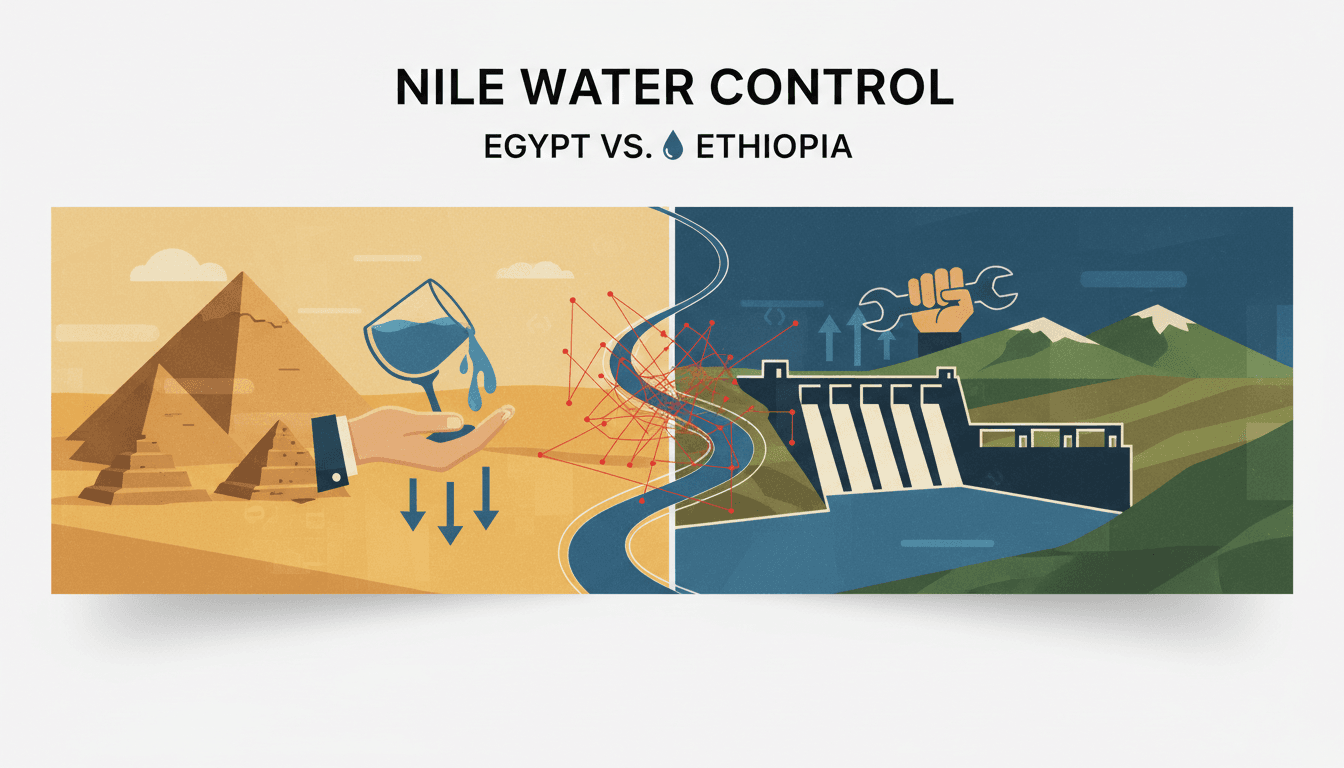
Here's what it means for you.
The escalating tensions between Egypt and Ethiopia over Nile water control could have significant implications for regional stability and international relations. As both nations navigate this contentious issue, the potential for conflict remains high, necessitating careful diplomatic engagement. Stakeholders in water management and international law may need to prepare for increased scrutiny and potential mediation efforts.
What happened
Egypt has issued a warning to Ethiopia regarding its plans to control Nile water flows. This warning follows Ethiopia's announcement of intentions to build additional dams on the Nile, which Egypt perceives as a violation of international law. Egypt has firmly stated that it will not allow any party to exert control over these vital water resources, emphasizing its commitment to defending its interests in the Nile.
The situation has escalated quickly, with Ethiopia's Water and Energy Minister announcing the plans on August 16, 2026. Egypt's immediate response underscores the sensitivity of the issue, as the Nile is a crucial water source for both Egypt and Sudan. The ongoing dispute highlights the complexities of managing shared water resources in a region where water scarcity is a pressing concern.
The Context
The conflict over the Nile River's water resources has intensified due to Ethiopia's unilateral approach in planning additional dams. Egypt views these developments as a direct threat to its water security and a violation of international agreements governing shared water resources. The Nile is not only vital for Egypt but also for Sudan, making the stakes particularly high for both countries.
This dispute is set against a backdrop of broader regional tensions over water management, as countries grapple with the impacts of climate change and population growth. The timing of Ethiopia's announcement raises questions about its long-term intentions and the potential for further diplomatic fallout. As both nations assert their rights, the need for international mediation may become increasingly urgent.
Takeaway
The ongoing dispute over Nile water management could lead to further diplomatic tensions in the region. Observers should watch for potential international mediation efforts aimed at resolving the conflict, as well as Ethiopia's next steps in its dam construction plans. Egypt's strong stance indicates that it will continue to defend its interests, which may complicate negotiations.
As the situation develops, the implications for regional stability and water resource management will be significant. Stakeholders should remain vigilant as both countries navigate this contentious issue, with the potential for conflict looming if diplomatic channels fail.
Pan-Arab news coverage spanning politics, business, sports, and regional affairs.
"Asharq Al-Awsat reflects a broad Arab editorial perspective with strong attention to regional geopolitics."
— A47 Editor
تحذير مصري لإثيوبيا من خطط السيطرة على تدفقات مياه النيل
A senior Egyptian official has issued a warning to Ethiopia regarding its plans to control the flow of Nile waters, escalating tensions between Cairo and Addis Ababa over the Grand Ethiopian Renaissance Dam (GERD) crisis. This warning highlights the ...
English-language reporting on Saudi politics, policy, and society.
"Saudi Gazette reflects mainstream Saudi institutional perspectives."
— A47 Editor
Egypt says it will not allow any party to control Nile water flows
Egypt has declared that it will not permit any party to control the flow of Nile water to downstream nations, responding to comments from Ethiopia's Water and Energy Minister Habtamu Itefa regarding plans for additional dams on the river. The Egyptia...
Arabic-language coverage of international news and geopolitics.
"RT Arabic is a Russian state-funded outlet often criticized for promoting Kremlin-aligned narratives."
— A47 Editor
بعد سد النهضة.. إثيوبيا تتحدث عن مرحلة جديدة للسيطرة على تدفقات النيل
Ethiopian Minister of Water and Energy, Habtamu Itefa, announced the country's intention to control the flow of Nile waters heading to Egypt and Sudan, a statement that has sparked renewed controversy in Cairo and Khartoum.