
JD Vance Advocates Economic Pressure as Key US Strategy Against Iran
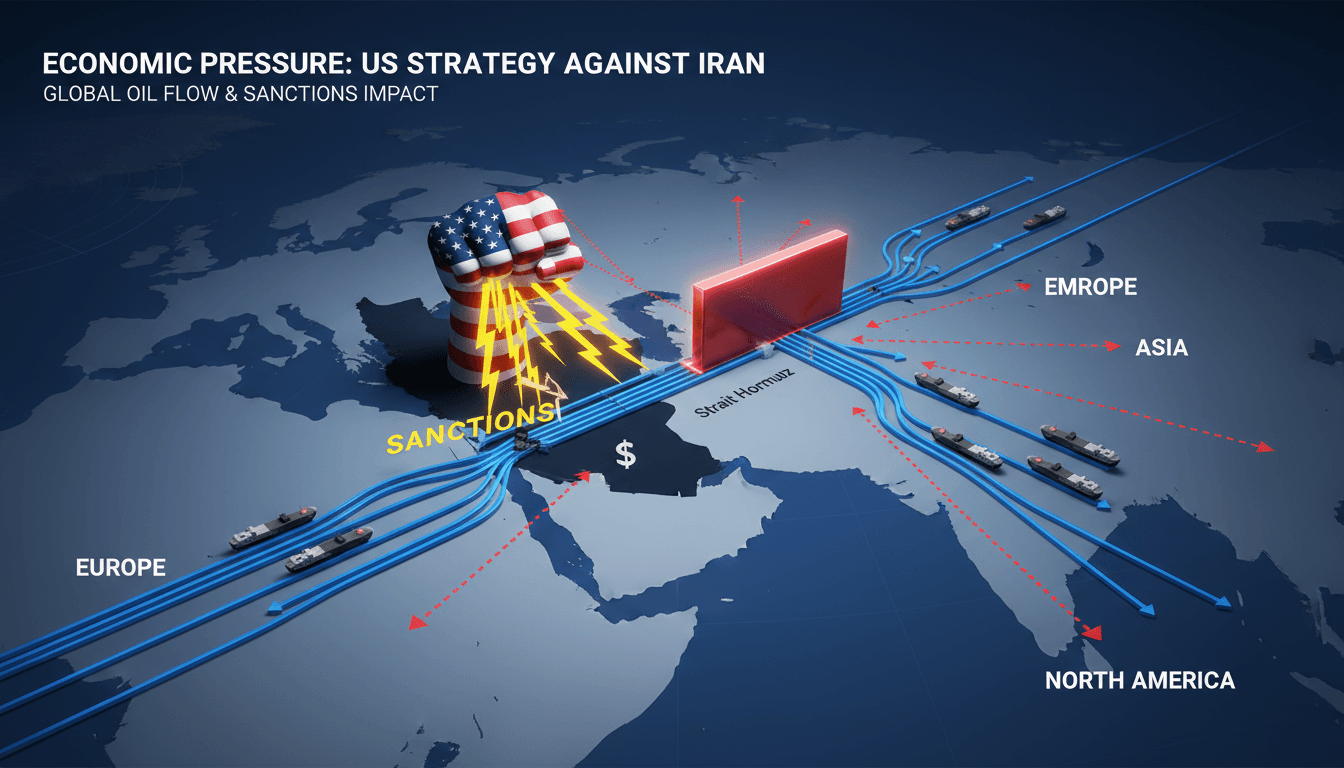
Here's what it means for you.
If you’re in the energy sector or rely on stable oil prices, the U.S. economic strategy against Iran could directly impact your costs and operations.
Why it matters
The U.S. shift to economic pressure against Iran could reshape global energy markets and influence geopolitical stability.
What happened (in 30 seconds)
- JD Vance, U.S. Vice President, emphasized economic pressure as the primary tool against Iran during a podcast on August 20, 2026.
- Donald Trump, U.S. President, announced unprecedented economic warfare targeting Iran and its supporters.
- Scott Bessent, U.S. Treasury Secretary, indicated ongoing maximum economic pressure measures to isolate Iran economically.
The context you actually need
- Escalating tensions: U.S.-Iran relations have deteriorated, marked by military actions and threats in the Strait of Hormuz.
- Economic warfare: The Trump administration has pivoted from military engagement to economic isolation to prevent Iran's nuclear ambitions.
- Global implications: The strategy aims to maintain oil flow stability while managing domestic energy prices amid rising geopolitical risks.
What's really happening
On August 20, 2026, JD Vance articulated a strategic pivot in U.S. foreign policy towards Iran, framing economic pressure as the most effective means to influence Iranian behavior. This marks a significant shift from previous military engagements, which included targeted strikes on Iranian capabilities. The U.S. aims to leverage its economic might to compel Iran to reconsider its nuclear ambitions and regional actions.
The U.S. strategy is built on a foundation of sustained sanctions and economic isolation, which have been described as the "greatest coordinated economic isolation in history." This approach is designed to create a delicate balance of pressure, where the U.S. maintains oil flows through critical shipping lanes while simultaneously constraining Iran's economic capabilities. The administration believes that by intensifying sanctions, it can force Iran into concessions regarding its nuclear program and regional conduct.
The implications of this strategy extend beyond Iran. Elevated global oil prices resulting from potential disruptions in the Strait of Hormuz could lead to increased energy costs for consumers and businesses worldwide, particularly in energy-dependent regions like Dubai. The interconnectedness of global markets means that any significant shifts in Iranian oil exports or retaliatory actions could reverberate through international trade and financial systems.
Moreover, the U.S. is actively coordinating with its allies to enforce these sanctions, indicating a unified front against Iran. However, Iranian officials have threatened severe responses to these economic pressures, suggesting that the situation could escalate further. The volatility in energy markets reflects the uncertainty surrounding these developments, as regional players assess the potential fallout from U.S. actions.
In summary, the U.S. economic strategy against Iran is not merely a tactical maneuver but a broader attempt to reshape the geopolitical landscape in the Middle East. The success of this approach hinges on the ability to maintain pressure without triggering a wider conflict, a delicate balance that will require careful navigation in the coming months.
Who feels it first (and how)
- Energy sector professionals: Increased costs and volatility in oil prices could affect profitability and operational planning.
- Consumers: Higher energy prices may lead to increased costs of living and transportation.
- Investors: Market fluctuations in energy stocks and commodities could impact investment strategies.
- Regional businesses: Companies engaged in trade with Iranian entities may face secondary sanctions and disruptions.
What to watch next
- Oil price fluctuations: Monitoring global oil prices will be crucial, as any disruptions in the Strait of Hormuz could lead to significant price hikes.
- Iran's response: Watch for Iranian retaliatory actions, which could escalate tensions and impact regional stability.
- Allied coordination: The effectiveness of U.S. sanctions enforcement by allies will be a key indicator of the strategy's success or failure.
The U.S. has shifted to an economic pressure strategy against Iran.
Increased volatility in global energy markets as sanctions take effect.
The long-term effectiveness of economic pressure in achieving U.S. objectives regarding Iran's nuclear program.
Frequently Asked Questions
- Why it matters?
- The U.S. shift to economic pressure against Iran could reshape global energy markets and influence geopolitical stability.
- What happened (in 30 seconds)?
- JD Vance, U.S. Vice President, emphasized economic pressure as the primary tool against Iran during a podcast on August 20, 2026. Donald Trump, U.S. President, announced unprecedented economic warfare targeting Iran and its supporters. Scott Bessent, U.S. Treasury Secretary, indicated ongoing maximum economic pressure measures to isolate Iran economically.
- What's really happening?
- On August 20, 2026, JD Vance articulated a strategic pivot in U.S. foreign policy towards Iran, framing economic pressure as the most effective means to influence Iranian behavior. This marks a significant shift from previous military engagements, which included targeted strikes on Iranian capabilities. The U.S. aims to leverage its economic might to compel Iran to reconsider its nuclear ambitions and regional actions. The U.S. strategy is built on a foundation of sustained sanctions and econom
- Who feels it first (and how)?
- Energy sector professionals: Increased costs and volatility in oil prices could affect profitability and operational planning. Consumers: Higher energy prices may lead to increased costs of living and transportation. Investors: Market fluctuations in energy stocks and commodities could impact investment strategies. Regional businesses: Companies engaged in trade with Iranian entities may face secondary sanctions and disruptions.
- What to watch next?
- Oil price fluctuations: Monitoring global oil prices will be crucial, as any disruptions in the Strait of Hormuz could lead to significant price hikes. Iran's response: Watch for Iranian retaliatory actions, which could escalate tensions and impact regional stability. Allied coordination: The effectiveness of U.S. sanctions enforcement by allies will be a key indicator of the strategy's success or failure.
Pan-Arab political news and analysis.
"Al-Quds Al-Arabi is a London-based Arabic newspaper known for political coverage."
— A47 Editor
فانس: الضغط الاقتصادي هو الأداة الأنجع ضد إيران
U.S. Vice President J.D. Vance stated that the confrontation with Iran has entered a 'new phase,' emphasizing that 'economic pressure' is the most effective tool available to Washington against Tehran. His remarks were made during a podcast discussio...
Arabic-language coverage of international news and geopolitics.
"RT Arabic is a Russian state-funded outlet often criticized for promoting Kremlin-aligned narratives."
— A47 Editor
نائب الرئيس الأمريكي: دخلنا مرحلة جديدة في الصراع مع إيران (فيديو)
JD Vance, the U.S. Vice President, stated that the conflict with Iran has entered a new phase, emphasizing that economic pressure is the most effective tool available to the United States against Tehran.
Jordanian news and regional updates.
"Roya News is a Jordanian outlet focused on breaking news and local affairs."
— A47 Editor
فانس: الضغط الاقتصادي على إيران يغير حساباتها بشأن الاتفاق الذي تريد إبرامه معنا
The U.S. Vice President indicated that economic pressure on Iran is altering its calculations regarding the agreement it seeks to establish with the United States. This statement highlights the ongoing tensions and negotiations between the two nation...