
Trump Administration Demands European Nations Repay Military Aid to Ukraine
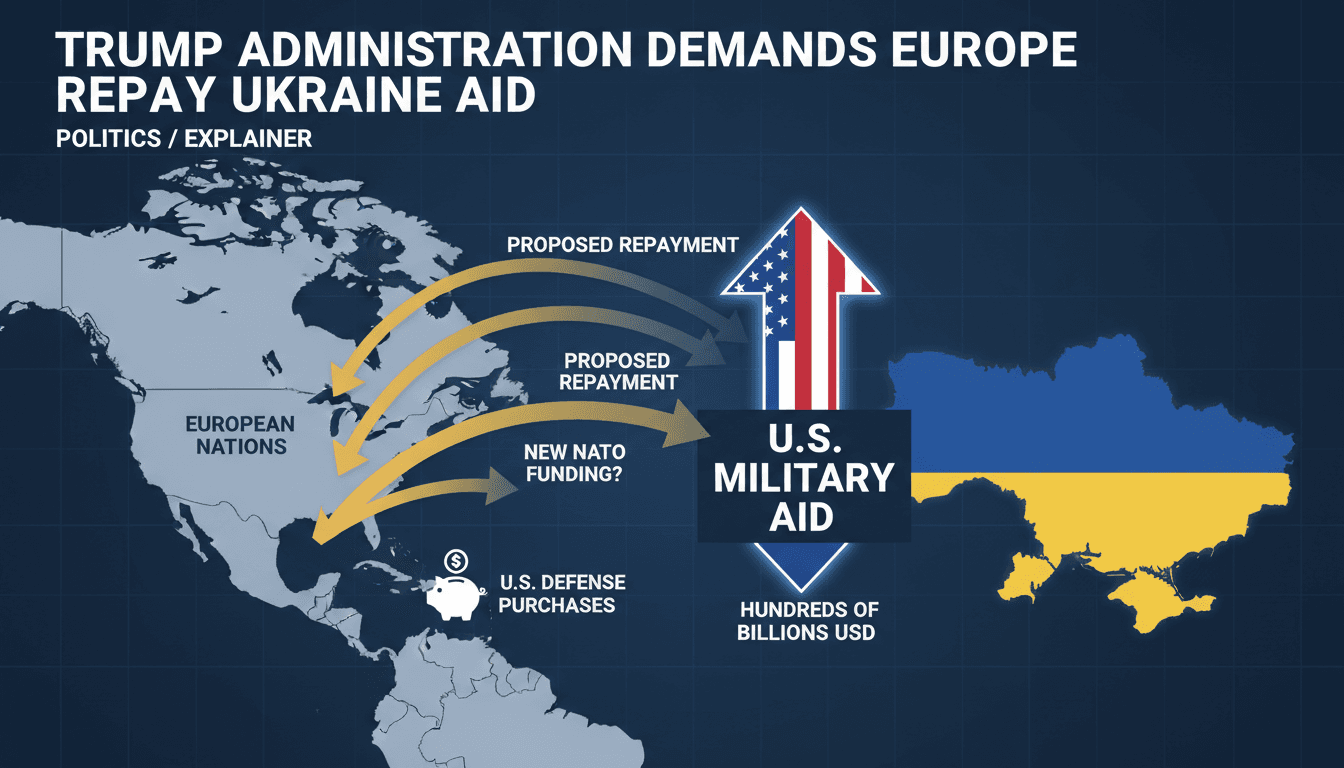
Here's what it means for you.
If you’re in a sector reliant on transatlantic relations, prepare for potential shifts in defense spending and geopolitical stability.
Why it matters
This demand could reshape NATO funding dynamics and influence military procurement strategies across Europe.
What happened (in 30 seconds)
- Trump's demand: On September 4, 2026, President Trump called for European nations to repay hundreds of billions in military aid previously given to Ukraine.
- Shift in funding model: The U.S. is moving from direct grants to a system where European allies purchase American weapons for Ukraine.
- Ongoing tensions: This demand highlights existing transatlantic tensions regarding the financial responsibilities of NATO allies in supporting Ukraine against Russia.
The context you actually need
- Historical aid: Since Russia's invasion of Ukraine in 2022, the U.S. has committed over $68 billion in military assistance to Kyiv, primarily under the Biden administration.
- Policy shift: After Trump took office again in 2025, direct U.S. aid decreased, prompting European countries to increase their contributions through NATO's Prioritized Ukraine Requirements List (PURL).
- European response: European NATO members have continued to fund U.S. weapons purchases for Ukraine, indicating a shift in how military support is structured.
What's really happening
The Trump administration's recent demands for European repayment of military aid to Ukraine mark a significant pivot in U.S. foreign policy and NATO dynamics. Historically, the U.S. has been the primary provider of military assistance to Ukraine, especially following Russia's full-scale invasion in 2022. This assistance, totaling over $68 billion by mid-2026, was largely framed as a necessary investment in European security. However, with Trump's return to office in 2025, the narrative shifted dramatically.
Trump's administration halted new direct grants for Ukraine, emphasizing that European allies should shoulder a greater financial burden. This led to the establishment of the PURL initiative, which allows European nations to purchase U.S. weapons for transfer to Ukraine. The rationale behind this shift is twofold: it alleviates the financial strain on the U.S. while simultaneously encouraging European nations to take more responsibility for regional security.
By September 2026, Trump escalated his rhetoric, asserting on social media that the hundreds of billions provided to Ukraine should be repaid by European nations. This demand not only raises questions about the feasibility of such repayments but also signals a potential reconfiguration of NATO's funding mechanisms. European countries are already financing U.S.-sourced equipment through PURL, but Trump's insistence on reimbursement could complicate these arrangements.
The implications of this demand are profound. If European nations are expected to repay past aid, it could lead to a reevaluation of their military budgets and procurement strategies. Countries may prioritize purchasing U.S. weapons over developing their own military capabilities, potentially stunting European defense innovation. Furthermore, this could exacerbate existing tensions within NATO, as member states grapple with differing views on financial responsibilities and military support.
As the conflict in Ukraine continues, the sustainability of U.S. support is increasingly in question. With direct American contributions diminishing, European nations must navigate a complex landscape of military funding and procurement, all while addressing the ongoing threat posed by Russia. The outcome of this demand could redefine the transatlantic alliance and influence global security dynamics for years to come.
Who feels it first (and how)
- European governments: They may face pressure to adjust military budgets and procurement strategies in response to U.S. demands.
- Defense contractors: Companies involved in military procurement could see shifts in contracts and funding sources based on new European purchasing strategies.
- U.S. military suppliers: Changes in European purchasing patterns could impact sales and revenue for American defense manufacturers.
What to watch next
- European military budgets: Monitor how European nations adjust their defense spending in response to U.S. demands and the ongoing conflict in Ukraine.
- NATO funding discussions: Watch for developments in NATO meetings regarding collective defense spending and the implications of Trump's repayment demands.
- U.S.-Europe relations: Keep an eye on diplomatic interactions between the U.S. and European nations, particularly regarding military aid and procurement strategies.
European NATO members are currently funding U.S. weapons purchases through PURL.
The demand for repayment will lead to increased scrutiny of NATO funding dynamics and military procurement strategies.
The long-term impact of these demands on U.S.-European relations and NATO cohesion remains uncertain.
Frequently Asked Questions
- Why it matters?
- This demand could reshape NATO funding dynamics and influence military procurement strategies across Europe.
- What happened (in 30 seconds)?
- Trump's demand: On September 4, 2026, President Trump called for European nations to repay hundreds of billions in military aid previously given to Ukraine. Shift in funding model: The U.S. is moving from direct grants to a system where European allies purchase American weapons for Ukraine. Ongoing tensions: This demand highlights existing transatlantic tensions regarding the financial responsibilities of NATO allies in supporting Ukraine against Russia.
- What's really happening?
- The Trump administration's recent demands for European repayment of military aid to Ukraine mark a significant pivot in U.S. foreign policy and NATO dynamics. Historically, the U.S. has been the primary provider of military assistance to Ukraine, especially following Russia's full-scale invasion in 2022. This assistance, totaling over $68 billion by mid-2026, was largely framed as a necessary investment in European security. However, with Trump's return to office in 2025, the narrative shifted d
- Who feels it first (and how)?
- European governments: They may face pressure to adjust military budgets and procurement strategies in response to U.S. demands. Defense contractors: Companies involved in military procurement could see shifts in contracts and funding sources based on new European purchasing strategies. U.S. military suppliers: Changes in European purchasing patterns could impact sales and revenue for American defense manufacturers.
- What to watch next?
- European military budgets: Monitor how European nations adjust their defense spending in response to U.S. demands and the ongoing conflict in Ukraine. NATO funding discussions: Watch for developments in NATO meetings regarding collective defense spending and the implications of Trump's repayment demands. U.S.-Europe relations: Keep an eye on diplomatic interactions between the U.S. and European nations, particularly regarding military aid and procurement strategies.
Global news coverage with extensive reporting on Middle Eastern conflicts and geopolitics.
"Al Jazeera is a Qatar-based broadcaster known for wide regional coverage and alternative perspectives."
— A47 Editor
Will Europe pay the US to provide military aid to Ukraine?
US President Donald Trump has expressed dissatisfaction with the financial support previously extended to Ukraine for its military efforts, indicating intentions to retract such funding. This statement underscores a shift in the US's approach to inte...
Comprehensive coverage of Middle Eastern and global issues.
"Al Jazeera is a prominent voice from the Global South, especially the Middle East, with an emphasis on underreported stories."
— A47 Editor
Will Europe pay the US to provide military aid to Ukraine?
US President Donald Trump has expressed dissatisfaction with the financial support previously extended to Ukraine for its military efforts, indicating intentions to retract such funding. This statement underscores a shift in the US's approach to inte...
English-language reporting on Saudi politics, policy, and society.
"Saudi Gazette reflects mainstream Saudi institutional perspectives."
— A47 Editor
Trump says US to ask Europe to pay back aid given to Ukraine by Biden
US President Donald Trump announced that he will request European nations to reimburse the aid provided to Ukraine during Joe Biden's administration, amidst the ongoing conflict with Russia. In a social media post, Trump criticized the US's depleted ...
Regional and international reporting focused on Middle Eastern politics, diplomacy, and economics.
"Asharq Al-Awsat is a Saudi-owned international newspaper reflecting mainstream Gulf political perspectives."
— A47 Editor
US to Seek Back Payment from Europe for Ukraine Aid, Trump Says
Former President Donald Trump announced that the United States will seek back payments from European nations for their contributions to Ukraine aid, emphasizing the need for Europe to fulfill its financial obligations amid ongoing military support fo...