
US-Iran tensions escalate over Strait of Hormuz with war costs reaching $43.6 billion
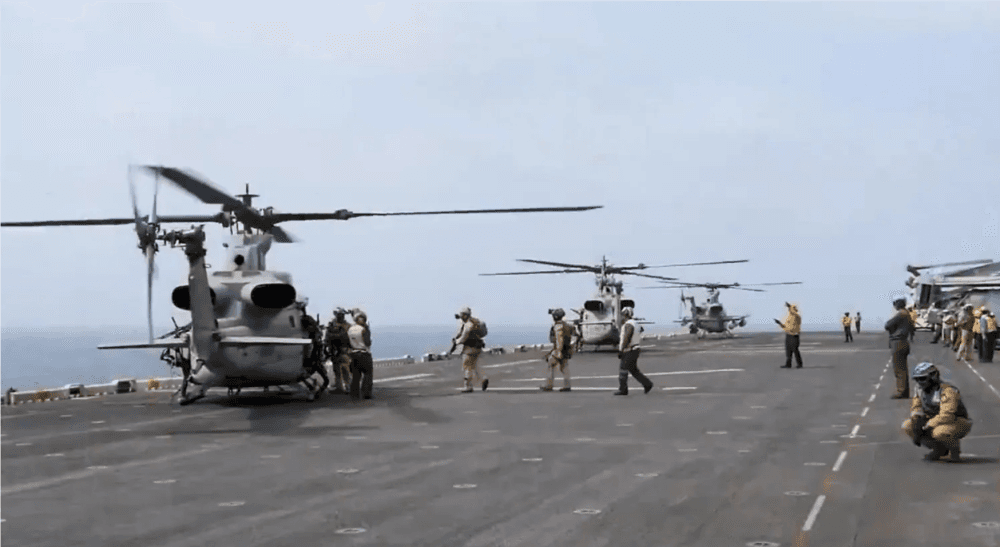
Why it matters
The Strait of Hormuz is a critical chokepoint for global oil transit, making any disruption a potential threat to energy prices and international trade.
What happened (in 30 seconds)
- Iran issued warnings of sustained strikes against US bases, linking the reopening of the Strait of Hormuz to specific Iranian demands.
- US war costs reached $43.6 billion as of early September 2026, driven by munitions expenditures amid ongoing military operations.
- Regional mediation efforts continue, but heightened threats and conditional negotiations have stalled any immediate resolution.
The context you actually need
- The confrontation began on February 28, 2026, with US and Israeli operations targeting Iranian assets, escalating military tensions in the region.
- Iran has previously restricted access to the Strait of Hormuz, which is vital for global oil shipments, raising concerns about energy security.
- Ongoing indirect talks facilitated by regional mediators like Qatar and Pakistan have not yet yielded a ceasefire or resolution to the conflict.
What's really happening
The US-Iran confrontation over the Strait of Hormuz has intensified significantly, particularly following Iran's announcement on September 20, 2026, regarding its military readiness and intelligence on US operations. Iranian officials have made it clear that they view the Strait as a bargaining chip, conditioning its reopening on the cessation of hostilities, the unfreezing of Iranian assets, and the lifting of naval blockades. This strategic positioning underscores Iran's leverage in a region where it has historically exerted influence over critical maritime routes.
The US, on the other hand, is grappling with escalating operational costs, which have now reached $43.6 billion. This figure includes $28.1 billion spent on munitions alone, reflecting the high stakes involved in maintaining military readiness and operational capabilities in the region. The Pentagon's updated estimates indicate that these costs are expected to rise by approximately $3 billion monthly, further straining US military resources and budget allocations.
As tensions mount, the US State Department has issued travel advisories for the Middle East, signaling the potential for unexpected escalations that could affect both military personnel and civilians. The heightened alert status maintained by US authorities reflects a cautious approach to the evolving situation, as they monitor Iranian threats and prepare for possible retaliatory actions.
The broader implications of this confrontation extend beyond military engagements. The Strait of Hormuz is a vital artery for global oil transit, with approximately 20% of the world's oil passing through this narrow waterway. Any disruption to shipping routes could lead to significant fluctuations in global oil prices, impacting economies worldwide. The ongoing conflict has already contributed to volatility in energy markets, and further escalation could exacerbate these trends.
Moreover, the situation is complicated by the involvement of regional players, including Israel, which has been reported as a co-belligerent in the conflict. This multi-faceted dynamic adds layers of complexity to the negotiations and potential resolutions, as various stakeholders have vested interests in the outcome.
In summary, the US-Iran confrontation over the Strait of Hormuz is not just a military issue; it has far-reaching implications for global energy security, economic stability, and international trade. As both sides remain entrenched in their positions, the potential for a resolution appears increasingly tenuous.
Who feels it first (and how)
- Energy consumers: Increased fuel prices due to potential disruptions in oil supply.
- Shipping companies: Higher operational costs and delays in transit through the Strait of Hormuz.
- Investors in commodities: Volatility in oil prices affecting investment strategies and market stability.
- Businesses reliant on global trade: Supply chain disruptions leading to increased costs and delays in goods delivery.
What to watch next
- US military operations: Monitor any changes in US military posture or new operations in the region, as these could escalate tensions further.
- Iran's response: Watch for Iranian military actions or statements that could indicate a shift in their strategy regarding the Strait of Hormuz.
- Global oil prices: Keep an eye on fluctuations in oil prices, as any significant changes could signal broader market impacts stemming from the confrontation.
The US-Iran confrontation is ongoing, with heightened military tensions and significant operational costs.
Continued volatility in global oil markets as a result of the situation in the Strait of Hormuz.
The timeline for any potential resolution or de-escalation of hostilities between the US and Iran.
Frequently Asked Questions
- Why it matters?
- The Strait of Hormuz is a critical chokepoint for global oil transit, making any disruption a potential threat to energy prices and international trade.
- What happened (in 30 seconds)?
- Iran issued warnings of sustained strikes against US bases, linking the reopening of the Strait of Hormuz to specific Iranian demands. US war costs reached $43.6 billion as of early September 2026, driven by munitions expenditures amid ongoing military operations. Regional mediation efforts continue, but heightened threats and conditional negotiations have stalled any immediate resolution.
- What's really happening?
- The US-Iran confrontation over the Strait of Hormuz has intensified significantly, particularly following Iran's announcement on September 20, 2026, regarding its military readiness and intelligence on US operations. Iranian officials have made it clear that they view the Strait as a bargaining chip, conditioning its reopening on the cessation of hostilities, the unfreezing of Iranian assets, and the lifting of naval blockades. This strategic positioning underscores Iran's leverage in a region w
- Who feels it first (and how)?
- Energy consumers: Increased fuel prices due to potential disruptions in oil supply. Shipping companies: Higher operational costs and delays in transit through the Strait of Hormuz. Investors in commodities: Volatility in oil prices affecting investment strategies and market stability. Businesses reliant on global trade: Supply chain disruptions leading to increased costs and delays in goods delivery.
- What to watch next?
- US military operations: Monitor any changes in US military posture or new operations in the region, as these could escalate tensions further. Iran's response: Watch for Iranian military actions or statements that could indicate a shift in their strategy regarding the Strait of Hormuz. Global oil prices: Keep an eye on fluctuations in oil prices, as any significant changes could signal broader market impacts stemming from the confrontation.
Coverage of political affairs and regional developments from a Saudi perspective.
"Al Watan political coverage typically follows a mainstream Saudi framing of regional and national issues."
— A47 Editor
المواجهة تعود إلى هرمز 43.6 مليار دولار فاتورة الحرب
The U.S.-Iran confrontation is escalating again in the Strait of Hormuz, with Tehran warning of a resumption of military operations and threatening continuous retaliation against U.S. bases and interests in the region. This comes as President Donald ...
Arabic-language coverage of political affairs and current events.
"Okaz political coverage typically follows mainstream Saudi framing on national and regional affairs."
— A47 Editor
هل تقترب المنطقة من «الضربة الحاسمة»؟
The potential for conflict in the region has resurfaced as Iranian parliamentary speaker Mohammad Baqer Qalibaf stated that Iran will both fight and negotiate, rejecting a return to previous negotiation formats. He emphasized that reopening the Strai...
Arabic-language coverage of political affairs and current events.
"Okaz political coverage typically follows mainstream Saudi framing on national and regional affairs."
— A47 Editor
ترمب يقطع إجازته.. وإيران تشدد شروط التفاوض وتلوّح بالتصعيد
U.S. President Donald Trump has cut short his vacation at Camp David and returned to the White House amid warnings of a potential escalation in the Middle East. Iranian chief negotiator and parliament speaker Mohammad Baqer Qalibaf emphasized the nec...