
Trump to Appoint Jay Clayton as AI Czar Amid National Security Concerns
Why it matters
The appointment of an AI czar signals a significant shift in how the U.S. government plans to manage the rapid development of artificial intelligence technologies.
What happened (in 30 seconds)
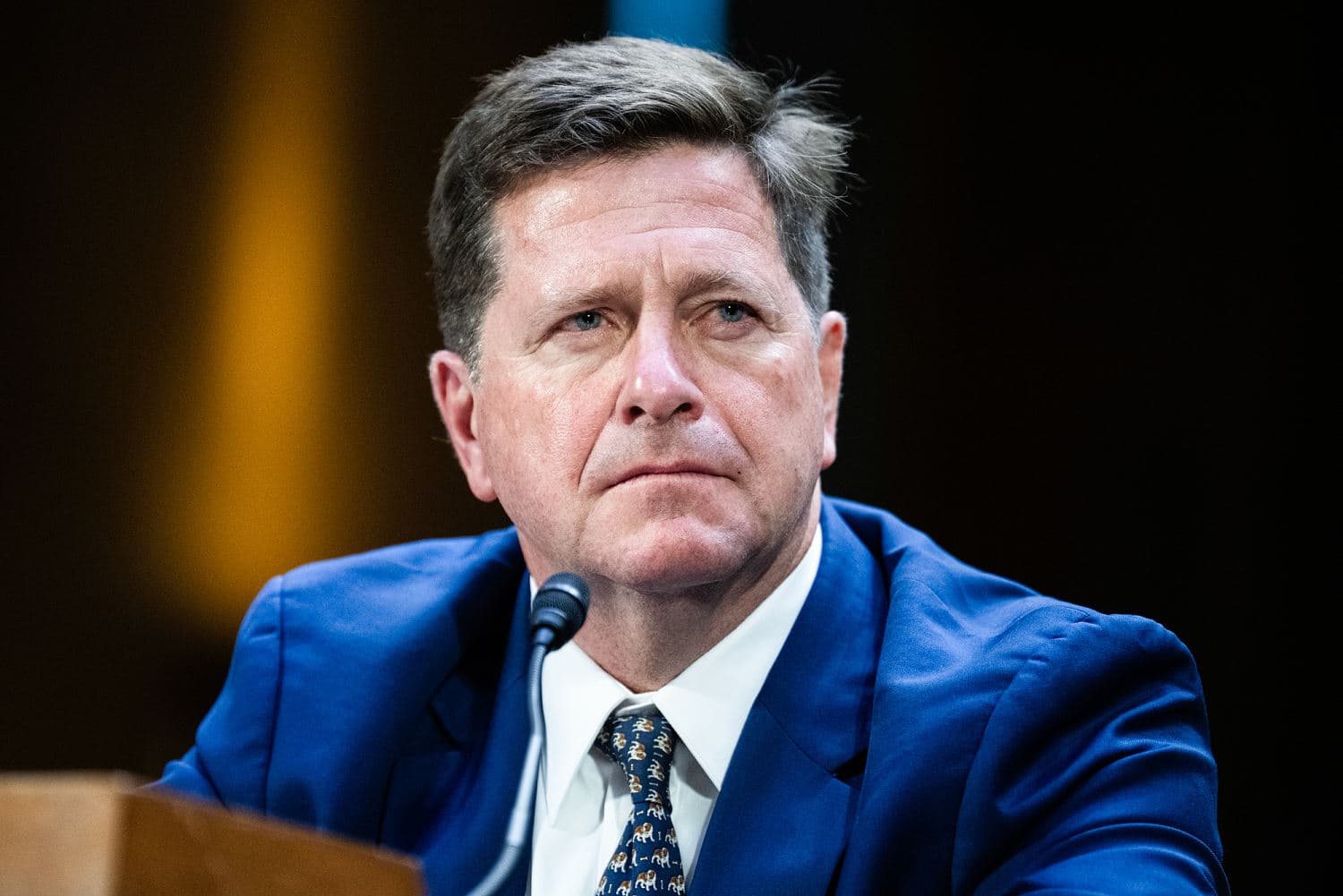
- Reports surfaced on October 2, 2026, indicating President Trump is expected to appoint Jay Clayton as the White House artificial intelligence czar.
- Clayton currently serves as the Director of National Intelligence (DNI), overseeing 18 elements of the U.S. intelligence community.
- The move follows a White House meeting with tech executives, highlighting national security concerns related to AI advancements.
The context you actually need
- Heightened scrutiny of AI risks has emerged, with industry insiders warning about potential threats to humanity.
- Clayton's previous roles include U.S. Attorney for the Southern District of New York and SEC chair, giving him a robust background in regulatory matters.
- Trump's administration has emphasized a light-touch regulatory approach while acknowledging the need for coordinated government responses to AI challenges.
What's really happening
The expected appointment of Jay Clayton as the artificial intelligence czar reflects a growing recognition of AI's dual nature as both an opportunity and a threat. As the Director of National Intelligence, Clayton already oversees a complex network of intelligence operations, which includes 18 distinct elements of the U.S. intelligence community. This dual role will require him to balance the innovative potential of AI technologies with the pressing need for national security measures.
The backdrop to this appointment is a series of warnings from industry leaders about the risks associated with rapid AI development. These concerns have prompted the Trump administration to take a more proactive stance on AI governance, framing it as a national security issue. Clayton's selection aligns with his public statements advocating for a whole-of-government approach to AI, suggesting that he will push for collaboration across various sectors to establish safety standards and regulatory frameworks.
The administration's approach appears to favor self-regulation by technology firms, as evidenced by recent industry summits focused on voluntary safety standards. This strategy aims to mitigate risks without stifling innovation, a delicate balance that Clayton will need to navigate. His previous experience as SEC chair may inform his regulatory philosophy, emphasizing transparency and accountability in AI development.
However, the appointment also raises questions about the effectiveness of a single individual overseeing such a complex and rapidly evolving field. The integration of AI governance into the intelligence community could lead to a more centralized approach, but it may also create challenges in addressing the diverse needs of various stakeholders, including tech companies, consumers, and government agencies.
As Clayton steps into this role, the implications for the tech industry and national security will be closely monitored. The administration's emphasis on a light-touch regulatory framework may appeal to tech leaders, but it could also lead to criticism if perceived as insufficient in addressing the potential dangers of AI. The success of this dual role will depend on Clayton's ability to foster collaboration and establish effective guidelines that protect both innovation and public safety.
Who feels it first (and how)
- Tech executives: They will need to adapt to new guidelines and potential regulations stemming from Clayton's dual role.
- AI developers: Increased scrutiny may impact project timelines and funding as safety standards are established.
- National security agencies: They will likely see a shift in focus towards AI-related threats and opportunities.
- Consumers: Public perception of AI safety will influence trust in technology and its applications.
What to watch next
- Formal announcement: The timing and details of Clayton's official appointment will clarify the administration's priorities regarding AI governance.
- Industry response: How tech companies react to the appointment and any subsequent regulations will indicate the balance between innovation and safety.
- Legislative developments: Watch for any new laws or guidelines proposed in response to Clayton's role that could reshape the AI landscape.
Clayton's appointment is expected but not yet formalized.
The administration will push for a collaborative approach to AI governance.
The specific regulations or guidelines that will emerge from Clayton's dual role remain to be seen.
Frequently Asked Questions
- Why it matters?
- The appointment of an AI czar signals a significant shift in how the U.S. government plans to manage the rapid development of artificial intelligence technologies.
- What happened (in 30 seconds)?
- Reports surfaced on October 2, 2026, indicating President Trump is expected to appoint Jay Clayton as the White House artificial intelligence czar. Clayton currently serves as the Director of National Intelligence (DNI), overseeing 18 elements of the U.S. intelligence community. The move follows a White House meeting with tech executives, highlighting national security concerns related to AI advancements.
- What's really happening?
- The expected appointment of Jay Clayton as the artificial intelligence czar reflects a growing recognition of AI's dual nature as both an opportunity and a threat. As the Director of National Intelligence, Clayton already oversees a complex network of intelligence operations, which includes 18 distinct elements of the U.S. intelligence community. This dual role will require him to balance the innovative potential of AI technologies with the pressing need for national security measures. The back
- Who feels it first (and how)?
- Tech executives: They will need to adapt to new guidelines and potential regulations stemming from Clayton's dual role. AI developers: Increased scrutiny may impact project timelines and funding as safety standards are established. National security agencies: They will likely see a shift in focus towards AI-related threats and opportunities. Consumers: Public perception of AI safety will influence trust in technology and its applications.
- What to watch next?
- Formal announcement: The timing and details of Clayton's official appointment will clarify the administration's priorities regarding AI governance. Industry response: How tech companies react to the appointment and any subsequent regulations will indicate the balance between innovation and safety. Legislative developments: Watch for any new laws or guidelines proposed in response to Clayton's role that could reshape the AI landscape.
Insights and news on social issues, policy, and political movements across the United States.
"The Wall Street Journal is known for its deep political coverage, especially at the intersection of policy, regulation, and social dynamics."
— A47 Editor
President Trump is expected to name Director of National Intelligence Jay Clayton as the new artificial intelligence czar, spearheading AI policy across the administration.
President Trump is anticipated to appoint Jay Clayton, the recently confirmed Director of National Intelligence, as the new artificial intelligence czar, overseeing AI policy across the administration. This move reflects the administration's growing ...
Tech business coverage, major deals, product launches, and Silicon Valley trends.
"WSJ’s tech section offers authoritative reporting on the intersection of technology and business, including exclusive industry analysis."
— A47 Editor
Trump Expected to Name ODNI’s Jay Clayton as AI Czar
President Trump is expected to appoint Jay Clayton, the recently confirmed Director of National Intelligence, as the new AI czar, a move that underscores the administration's commitment to overseeing artificial intelligence initiatives.
Covers blockchain, cryptocurrency news, project analysis, and market insights.
"CoinDesk is a well-established cryptocurrency and blockchain news provider, offering comprehensive insights, market data, and industry research."
— A47 Editor
Trump’s potential AI czar, Jay Clayton, helped pioneer the SEC’s crypto crackdown
Former SEC Chairman Jay Clayton is being considered for the role of AI czar in the Trump administration, a position that could shape the future of AI governance while reflecting his controversial history in regulating technology and cryptocurrency.
Focused political reporting and governmental affairs.
"NBC News is a mainstream media outlet known for comprehensive national and international news coverage with a centrist to slightly left-leaning editorial tone."
— A47 Editor
Trump is expected to name intelligence director Jay Clayton as AI czar
President Trump is expected to appoint Jay Clayton, the Director of National Intelligence, as the White House AI czar, a move that highlights the administration's increasing focus on artificial intelligence. This appointment is anticipated to coincid...
Curated tech headlines including AI stories.
"Influential aggregator surfacing the day’s top tech/AI links."
— A47 Editor
Sources: Jay Clayton will likely be the White House's pick for AI czar, and he may remain in his current role as director of national intelligence (Jennifer Jacobs/CBS News)
Sources indicate that Jay Clayton is likely to be appointed as the White House's AI czar while potentially retaining his position as director of national intelligence. This development comes amid ongoing discussions within the Trump administration re...