
MI5 Reports Quadrupled State Threats from Iran and Russia in New Security Era
Why it matters
The rise in hybrid threats signals a shift in global security, necessitating heightened vigilance and preparedness across sectors.
What happened (in 30 seconds)
- On October 13, 2026, MI5 Director General Ken McCallum announced a new era of national security in the UK, likening it to the post-9/11 landscape.
- State-based threats have quadrupled over the past decade, with MI5 allocating more resources to counter them than during the Cold War.
- Iran and Russia are identified as primary aggressors, with Iran targeting military sites and Russia employing hybrid tactics below NATO thresholds.
The context you actually need
- Ongoing conflicts in Ukraine and the Middle East have intensified hybrid warfare tactics, including cyberattacks and sabotage.
- European governments are advising citizens to prepare for potential disruptions, reflecting broader geopolitical tensions.
- MI5's focus has shifted towards countering threats from state actors, with over 50 Iran-linked arrests reported in the past year.
What's really happening
The MI5 assessment delivered by Ken McCallum on October 13, 2026, underscores a significant evolution in the nature of threats facing the UK and its allies. The quadrupling of state-based threats over the past decade is not merely a statistic; it reflects a broader geopolitical shift where traditional espionage has given way to hybrid warfare tactics. This includes a mix of cyber operations, disinformation campaigns, and the use of proxies to achieve strategic objectives without direct confrontation.
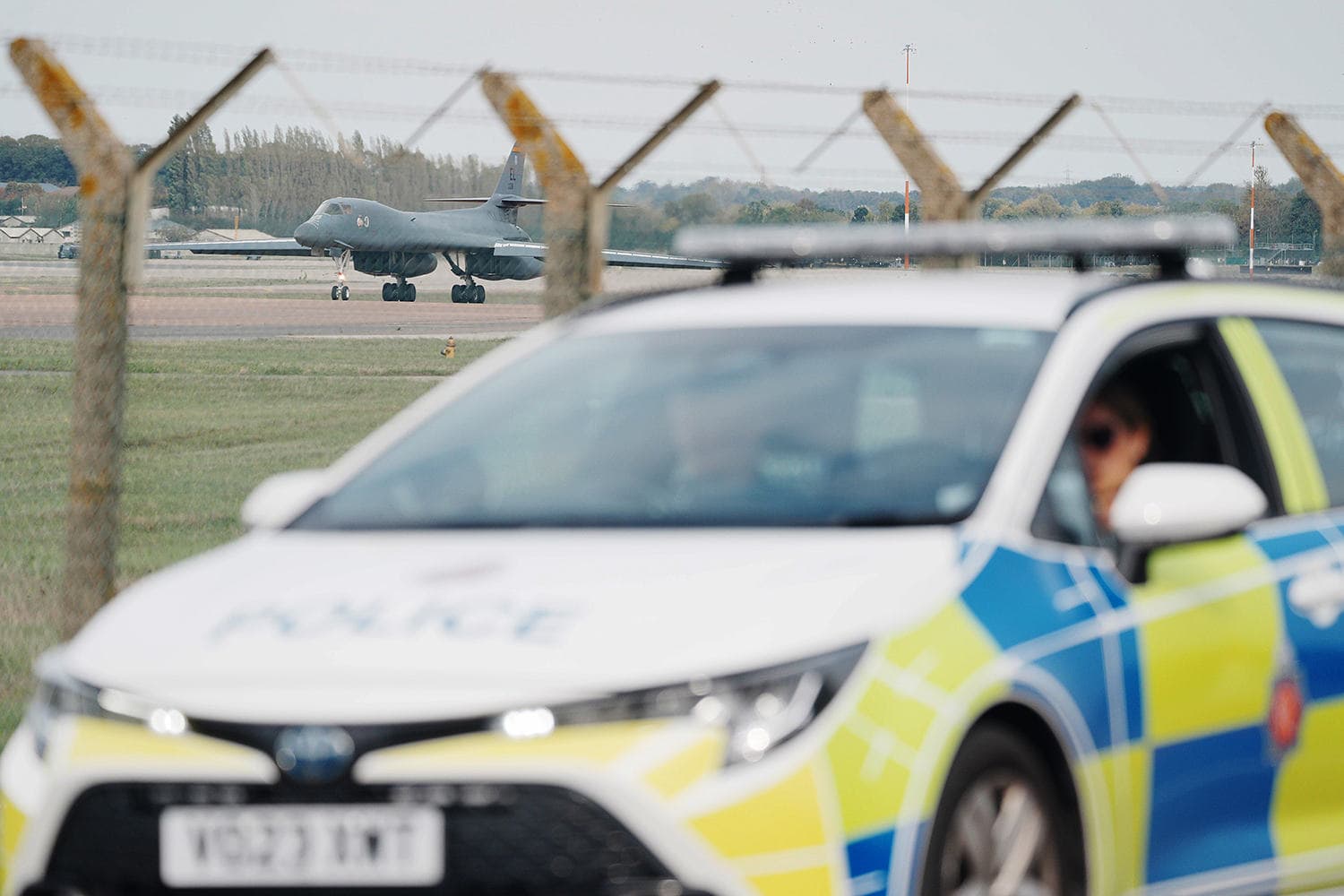
Iran's focus has notably shifted from targeting dissidents and Jewish sites to military installations, indicating a more aggressive posture. The September 2026 incident at RAF Fairford, where Iranian proxies were suspected of involvement, exemplifies this trend. The subsequent withdrawal of US bombers from the base highlights the tangible impacts of these threats on military operations and international alliances.
Russia, labeled as "aggressor number one," continues to employ hybrid tactics that exploit vulnerabilities in NATO's response framework. With nearly 1,000 expulsions of Russian operatives in recent years, the Kremlin has adapted by relying on criminal proxies to conduct operations that remain below the threshold for direct military engagement. This strategy complicates the response for Western nations, as it blurs the lines between state and non-state actors.
The implications of these developments extend beyond immediate security concerns. Businesses operating internationally must reassess their risk profiles, particularly in regions where these hybrid threats are prevalent. The potential for cyberattacks, sabotage, and geopolitical instability necessitates a proactive approach to security and crisis management.
Moreover, the rise of artificial intelligence in warfare, including the potential misuse for bioweapons, adds another layer of complexity to the security landscape. As adversaries become more sophisticated in their tactics, the need for robust counter-intelligence operations and public preparedness becomes paramount.
Who feels it first (and how)
- Government agencies: Increased pressure to enhance national security measures and intelligence operations.
- Military personnel: Heightened operational risks and changes in deployment strategies due to evolving threats.
- Businesses: Companies with international operations may face increased cybersecurity risks and disruptions in supply chains.
- Citizens: Public awareness and preparedness initiatives may lead to changes in daily life and travel advisories.
What to watch next
- Increased defense spending: Watch for announcements from European allies regarding budget allocations for defense in response to hybrid threats.
- Public preparedness campaigns: Monitor how governments communicate potential risks to citizens and the measures they recommend.
- Intelligence-sharing agreements: Look for developments in international cooperation on intelligence sharing to counter state threats.
State-based threats from Iran and Russia have significantly increased.
European nations will enhance defense spending and public preparedness measures.
The long-term effectiveness of counter-intelligence operations against hybrid threats remains to be seen.
Frequently Asked Questions
- Why it matters?
- The rise in hybrid threats signals a shift in global security, necessitating heightened vigilance and preparedness across sectors.
- What happened (in 30 seconds)?
- On October 13, 2026, MI5 Director General Ken McCallum announced a new era of national security in the UK, likening it to the post-9/11 landscape. State-based threats have quadrupled over the past decade, with MI5 allocating more resources to counter them than during the Cold War. Iran and Russia are identified as primary aggressors, with Iran targeting military sites and Russia employing hybrid tactics below NATO thresholds.
- What's really happening?
- The MI5 assessment delivered by Ken McCallum on October 13, 2026, underscores a significant evolution in the nature of threats facing the UK and its allies. The quadrupling of state-based threats over the past decade is not merely a statistic; it reflects a broader geopolitical shift where traditional espionage has given way to hybrid warfare tactics. This includes a mix of cyber operations, disinformation campaigns, and the use of proxies to achieve strategic objectives without direct confronta
- Who feels it first (and how)?
- Government agencies: Increased pressure to enhance national security measures and intelligence operations. Military personnel: Heightened operational risks and changes in deployment strategies due to evolving threats. Businesses: Companies with international operations may face increased cybersecurity risks and disruptions in supply chains. Citizens: Public awareness and preparedness initiatives may lead to changes in daily life and travel advisories.
- What to watch next?
- Increased defense spending: Watch for announcements from European allies regarding budget allocations for defense in response to hybrid threats. Public preparedness campaigns: Monitor how governments communicate potential risks to citizens and the measures they recommend. Intelligence-sharing agreements: Look for developments in international cooperation on intelligence sharing to counter state threats.
Comprehensive coverage of global events, politics, and international issues.
"NBC News is a mainstream outlet known for comprehensive national and international coverage with a centrist to slightly left-leaning editorial tone."
— A47 Editor
Britain faces ‘new era’ of security threats from Iran and Russia, MI5 says
MI5 Director Ken McCallum has warned that Britain is entering a 'new era' of security threats, specifically citing concerns over Iran, Russia, China, artificial intelligence, and terrorist groups. This warning comes amid rising tensions and incidents...
International coverage of politics, culture, and current affairs.
"BBC News is widely regarded as a reputable international news organization, known for its impartial tone and public service mandate."
— A47 Editor
MI5 chief warns of threats to UK from Russia, Iran and AI
Sir Ken McCallum, the chief of MI5, has issued a stark warning regarding the escalating threats to the UK from Russia, Iran, and advancements in artificial intelligence (AI), stating that operations to combat terrorism and state-sponsored threats are...
International coverage of politics, security, and social issues.
"Global News is a mainstream Canadian outlet with a centrist editorial stance, focusing on factual reporting."
— A47 Editor
U.K. spy chief warns Russia ‘escalating’ hybrid warfare tactics in Europe
U.K. spy chief Ken McCallum has issued a warning regarding Russia's escalating hybrid warfare tactics in Europe, highlighting the increasing complexity of threats faced by NATO and its member states. This warning aligns with NATO's ongoing assessment...
Top international stories selected by The Guardian editors.
"The Guardian is known for its progressive editorial stance and in-depth analysis."
— A47 Editor
Rightwing extremists increasingly likely to consider terrorist attacks, MI5 chief says
MI5 Chief Ken McCallum has warned that rightwing extremists in the UK are increasingly likely to consider violent actions, particularly targeting immigration centers and asylum hotels, marking a significant shift in the agency's focus over the past y...
UK politics, business, and social stories.
"Sky News is a UK-based 24-hour channel known for fast-breaking news and political coverage."
— A47 Editor
AI 'supercharging' security threats to UK, MI5 warns
Sir Ken McCallum, the head of MI5, has issued a warning that artificial intelligence (AI) is significantly amplifying security threats to the UK, including the potential for terrorists and state actors to develop new bioweapons. He emphasized that hu...