
Iran Implements New Maritime Tactics in Strait of Hormuz to Influence Oil Prices and US Elections
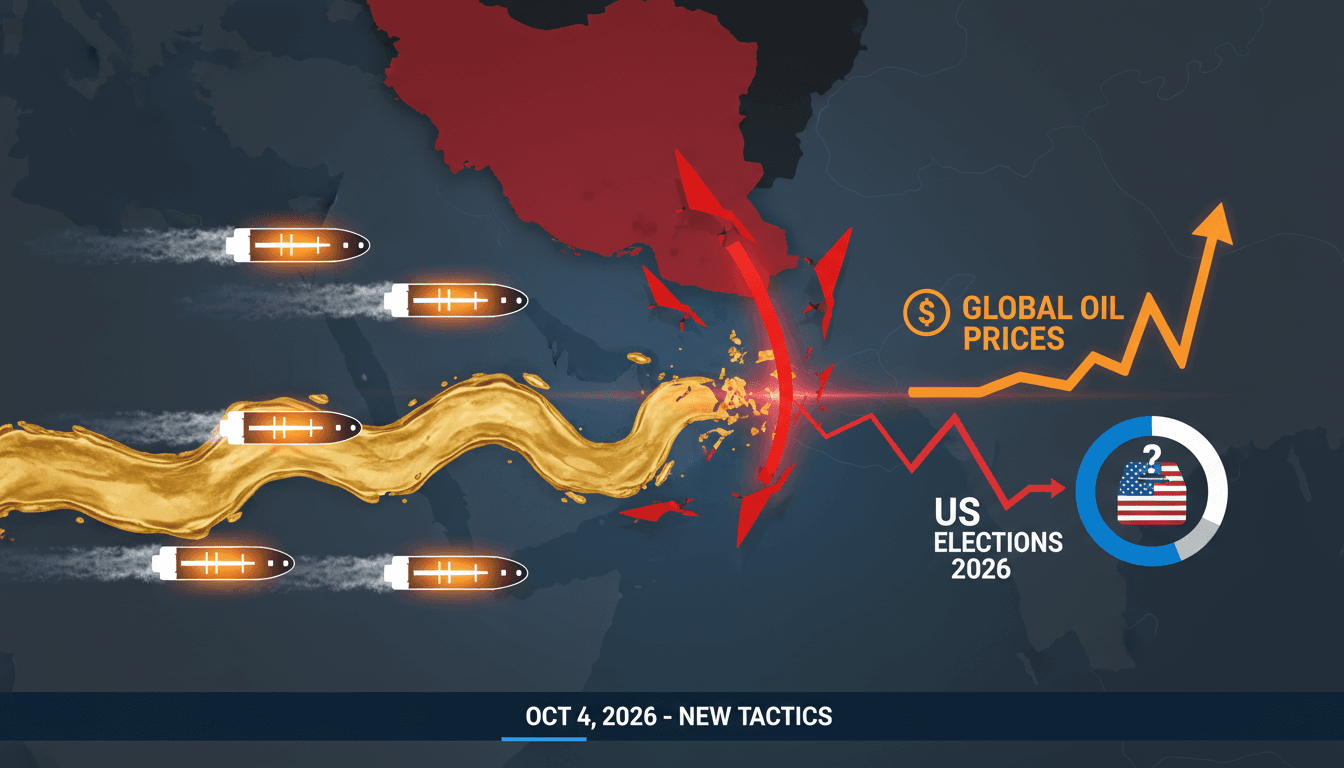
Why it matters
Iran's strategic maneuvers in the Strait of Hormuz could lead to increased oil prices, affecting global energy markets and economic stability.
What happened (in 30 seconds)
- Iran disclosed new offensive maritime tactics targeting vessels in the Strait of Hormuz on October 14, 2026.
- The Islamic Revolutionary Guard Corps (IRGC) has shifted to using unarmed spotters for identifying targets, expanding operations into the Gulf of Oman.
- The objective is to sustain elevated oil prices and influence the upcoming U.S. midterm elections.
The context you actually need
- The Strait of Hormuz is a critical chokepoint, handling approximately 20% of global oil and liquefied natural gas shipments before recent restrictions.
- Following U.S. and Israeli strikes on Iran in February 2026, Tehran has sought to control maritime traffic, leveraging its position to elevate oil prices.
- The U.S. military has acknowledged the tactical changes by Iran, indicating a potential escalation in maritime security incidents.
What's really happening
On October 14, 2026, two senior Iranian officials confirmed a strategic shift in maritime operations aimed at enhancing Iran's leverage over global oil prices and influencing U.S. political dynamics ahead of the midterm elections. This change, initiated around October 4, 2026, involves a notable increase in the frequency and methodology of attacks against vessels deemed non-compliant with Iranian conditions. The IRGC's transition to using unarmed spotters in small boats for target identification marks a significant tactical adaptation, especially following the degradation of Iranian radar systems.
The Strait of Hormuz has long been a vital artery for global energy supplies, with its waters previously facilitating about 20% of the world's oil and liquefied natural gas trade. The recent escalation in Iranian maritime tactics comes in the wake of U.S. and Israeli military actions against Iran, which have prompted Tehran to exert tighter control over this critical waterway. By restricting passage and increasing the threat level to commercial shipping, Iran aims to create a sense of instability that could drive up oil prices, thereby benefiting its economy while simultaneously complicating U.S. efforts to lower energy costs.
This strategy is not merely about immediate financial gain; it is also a calculated move to influence the political landscape in the U.S. The timing of these operations suggests a deliberate attempt to create uncertainty in global oil markets, which could resonate with American voters concerned about rising energy prices. As the midterms approach, the Iranian government appears to be leveraging its maritime capabilities to frustrate U.S. policy objectives and sway public sentiment.
The implications of these tactics extend beyond immediate price fluctuations. Increased incidents in the Strait of Hormuz and surrounding waters could lead to heightened military presence from the U.S. and its allies, potentially escalating tensions in the region. Moreover, the ripple effects on global supply chains and energy logistics could be significant, particularly for countries heavily reliant on oil imports.
Who feels it first (and how)
- Energy companies: Increased operational costs and potential supply chain disruptions.
- Logistics firms: Higher shipping costs and delays due to heightened security measures.
- Consumers: Rising fuel prices impacting transportation and goods.
- Investors: Volatility in oil markets affecting stock prices and investment strategies.
What to watch next
- Oil price fluctuations: Monitor how global oil prices respond to incidents in the Strait of Hormuz, as sustained increases could signal deeper market instability.
- U.S. military responses: Watch for any changes in U.S. naval deployments in the region, which could indicate escalating tensions or attempts to secure maritime routes.
- Political reactions in the U.S.: Observe how rising energy prices influence voter sentiment and campaign strategies as the midterm elections approach.
Iran has shifted its maritime tactics to target vessels in the Strait of Hormuz.
Increased incidents in the region will lead to heightened military presence and potential market volatility.
The long-term effectiveness of Iran's strategy in influencing U.S. midterm elections remains uncertain.
Frequently Asked Questions
- Why it matters?
- Iran's strategic maneuvers in the Strait of Hormuz could lead to increased oil prices, affecting global energy markets and economic stability.
- What happened (in 30 seconds)?
- Iran disclosed new offensive maritime tactics targeting vessels in the Strait of Hormuz on October 14, 2026. The Islamic Revolutionary Guard Corps (IRGC) has shifted to using unarmed spotters for identifying targets, expanding operations into the Gulf of Oman. The objective is to sustain elevated oil prices and influence the upcoming U.S. midterm elections.
- What's really happening?
- On October 14, 2026, two senior Iranian officials confirmed a strategic shift in maritime operations aimed at enhancing Iran's leverage over global oil prices and influencing U.S. political dynamics ahead of the midterm elections. This change, initiated around October 4, 2026, involves a notable increase in the frequency and methodology of attacks against vessels deemed non-compliant with Iranian conditions. The IRGC's transition to using unarmed spotters in small boats for target identification
- Who feels it first (and how)?
- Energy companies: Increased operational costs and potential supply chain disruptions. Logistics firms: Higher shipping costs and delays due to heightened security measures. Consumers: Rising fuel prices impacting transportation and goods. Investors: Volatility in oil markets affecting stock prices and investment strategies.
- What to watch next?
- Oil price fluctuations: Monitor how global oil prices respond to incidents in the Strait of Hormuz, as sustained increases could signal deeper market instability. U.S. military responses: Watch for any changes in U.S. naval deployments in the region, which could indicate escalating tensions or attempts to secure maritime routes. Political reactions in the U.S.: Observe how rising energy prices influence voter sentiment and campaign strategies as the midterm elections approach.
Pan-Arab political news and analysis.
"Al-Quds Al-Arabi is a London-based Arabic newspaper known for political coverage."
— A47 Editor
مسؤولان: إيران تغير أساليبها في استهداف السفن قبل الانتخابات الأمريكية
Two senior Iranian officials have indicated that Iran is adopting new methods to target vessels passing through the Strait of Hormuz, aiming to keep oil prices high and influence the upcoming U.S. midterm elections. This shift follows attacks by the ...
Regional coverage and analysis focused on politics, diplomacy, and business across the Middle East.
"Al-Monitor is known for analytical reporting on Middle East politics and policy developments."
— A47 Editor
Iran shifting tactics to step up attacks on shipping before US vote, officials say
Iran is reportedly shifting its tactics to increase attacks on shipping in the Strait of Hormuz, aiming to maintain high oil prices and influence the upcoming U.S. midterm elections, according to senior Iranian officials. This escalation comes amid a...
Oil, metals, and agriculture: supply/demand headlines, OPEC chatter, inventories, and price action.
"Solid tape for energy and metals traders tracking macro and micro catalysts."
— A47 Editor
Iran shifting tactics to step up attacks on shipping before US vote, officials say
Iran is reportedly shifting its tactics to intensify attacks on shipping in the Strait of Hormuz, coinciding with heightened tensions as the U.S. prepares for military actions and sanctions against Iran. This escalation is seen as a strategic move ah...
Regional coverage and analysis focused on politics, diplomacy, and business across the Middle East.
"Al-Monitor is known for analytical reporting on Middle East politics and policy developments."
— A47 Editor
What's behind Iran’s intensifying attacks on shipping in Hormuz?
Iran has intensified its attacks on shipping in the Strait of Hormuz, coinciding with a broader campaign against U.S.-backed oil shipping, raising significant concerns over maritime safety. This escalation is seen as a strategic move by Tehran to inc...