
UAE Calls for Enhanced Gulf Security Cooperation Following Houthi Attacks on Saudi Arabia
Why it matters
The ongoing conflict threatens the stability of the Gulf region, which is crucial for global energy supplies and trade routes.
What happened (in 30 seconds)
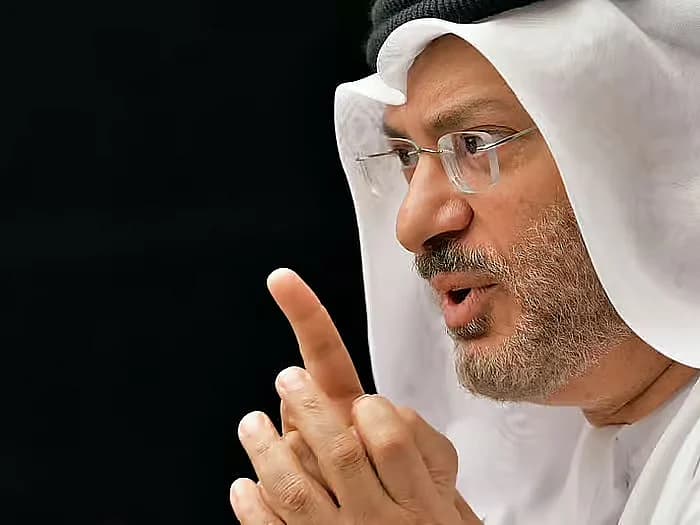
- UAE Diplomatic Adviser Dr. Anwar Gargash called for enhanced Gulf security cooperation following Houthi attacks on Saudi Arabia's King Khalid International Airport.
- Houthi strikes on October 10-11 resulted in 18 fatalities and over 300 injuries, highlighting vulnerabilities in regional defense.
- Gargash's statement emphasized that the security of the UAE and all Gulf states is interconnected, urging immediate action to strengthen collective defense.
The context you actually need
- Ongoing US-Iran war: The conflict, which began on February 28, 2026, has escalated regional tensions, with Houthi attacks seen as a spillover effect.
- Historical vulnerabilities: Previous Gulf Cooperation Council (GCC) security arrangements have shown weaknesses, emboldening adversaries like the Houthis.
- Regional solidarity: Countries like Turkey, Pakistan, and Egypt have condemned the Houthi attacks, indicating a collective regional response to security threats.
What's really happening
The recent Houthi attacks on Saudi Arabia's King Khalid International Airport mark a significant escalation in regional hostilities, reflecting the broader implications of the ongoing US-Iran war. The Houthis, aligned with Iran, have intensified their military operations against Saudi targets, which they perceive as legitimate due to the ongoing conflict. This has resulted in a tragic loss of life, with 18 fatalities reported from the strikes over a week.
Dr. Anwar Gargash's call for revitalized Gulf security cooperation underscores a critical realization among Gulf states: their security is indivisible. The attacks not only threaten Saudi Arabia but also pose risks to the UAE and other Gulf nations. Gargash's emphasis on collective action highlights the need for a unified response to external threats, particularly as the GCC has faced documented shortcomings in its defense arrangements.
The backdrop of the US-Iran war complicates the situation further. As the conflict escalates, regional powers are increasingly aware that their security frameworks must adapt to address shared threats. Gargash's statement reflects a growing consensus that previous complacency in security cooperation has emboldened adversaries, necessitating immediate action to rectify these vulnerabilities.
The implications of this situation extend beyond military concerns. Heightened tensions can disrupt air travel and energy markets, affecting businesses and individuals alike. For instance, flight operations at Riyadh airport faced significant disruptions, with over one-third of departures canceled on October 12, 2026. Such disruptions can ripple through the Gulf economy, impacting tourism, trade, and energy exports.
Moreover, the call for enhanced GCC cooperation may lead to increased military spending and joint exercises among member states, reshaping the regional security landscape. This could also influence foreign investment decisions, as investors seek stability in a region marked by conflict.
In summary, the Houthi attacks have catalyzed a critical moment for Gulf states, prompting a reevaluation of their security strategies and collective defense mechanisms. The urgency of Gargash's call reflects the need for immediate action to safeguard the region's stability and security.
Who feels it first (and how)
- Airline and travel sectors: Increased flight cancellations and security measures could disrupt operations and revenue.
- Energy markets: Heightened tensions may lead to fluctuations in oil prices, impacting businesses reliant on stable energy costs.
- Regional governments: Increased military spending and coordination efforts could strain budgets and shift political priorities.
What to watch next
- GCC security meetings: Watch for upcoming discussions among Gulf states regarding joint defense initiatives, as these could reshape regional security frameworks.
- Houthi military activity: Monitor any further Houthi strikes or escalations, which could prompt additional responses from Gulf states.
- International diplomatic responses: Pay attention to how global powers, particularly the US and Iran, react to the evolving situation, as this could influence regional dynamics.
The Houthi attacks have resulted in significant casualties and disruptions in Saudi Arabia.
Gulf states will increase military cooperation and defense spending in response to the perceived threats.
The long-term impact on regional stability and international relations remains uncertain.
Frequently Asked Questions
- Why it matters?
- The ongoing conflict threatens the stability of the Gulf region, which is crucial for global energy supplies and trade routes.
- What happened (in 30 seconds)?
- UAE Diplomatic Adviser Dr. Anwar Gargash called for enhanced Gulf security cooperation following Houthi attacks on Saudi Arabia's King Khalid International Airport. Houthi strikes on October 10-11 resulted in 18 fatalities and over 300 injuries, highlighting vulnerabilities in regional defense. Gargash's statement emphasized that the security of the UAE and all Gulf states is interconnected, urging immediate action to strengthen collective defense.
- What's really happening?
- The recent Houthi attacks on Saudi Arabia's King Khalid International Airport mark a significant escalation in regional hostilities, reflecting the broader implications of the ongoing US-Iran war. The Houthis, aligned with Iran, have intensified their military operations against Saudi targets, which they perceive as legitimate due to the ongoing conflict. This has resulted in a tragic loss of life, with 18 fatalities reported from the strikes over a week. Dr. Anwar Gargash's call for revitalize
- Who feels it first (and how)?
- Airline and travel sectors: Increased flight cancellations and security measures could disrupt operations and revenue. Energy markets: Heightened tensions may lead to fluctuations in oil prices, impacting businesses reliant on stable energy costs. Regional governments: Increased military spending and coordination efforts could strain budgets and shift political priorities.
- What to watch next?
- GCC security meetings: Watch for upcoming discussions among Gulf states regarding joint defense initiatives, as these could reshape regional security frameworks. Houthi military activity: Monitor any further Houthi strikes or escalations, which could prompt additional responses from Gulf states. International diplomatic responses: Pay attention to how global powers, particularly the US and Iran, react to the evolving situation, as this could influence regional dynamics.
English-language digital publication covering business, politics, technology, and current affairs.
"The Arabian Post mixes original and syndicated-style coverage with a broad regional and global business-news orientation."
— A47 Editor
Gargash urges Gulf states to reinforce collective defences
Dr. Anwar Gargash, Diplomatic Adviser to the UAE President, has called on Gulf states to enhance their collective security measures, emphasizing that attacks on Saudi Arabia pose a threat to the entire region. This appeal comes amid rising tensions a...
UAE-based English-language newspaper covering regional politics, economics, and global affairs.
"The National reflects Emirati policy perspectives while maintaining international editorial standards."
— A47 Editor
Gargash calls for stronger Gulf security and collective defence
Anwar Gargash, the UAE Minister of State for Foreign Affairs, has called for enhanced security and collective defense among Gulf states, emphasizing the need for a unified response to regional threats, particularly from Iran. This statement comes ami...
Breaking news and analysis from the UAE and Gulf region.
"Khaleej Times is a long-running UAE publication with broad regional coverage."
— A47 Editor
'We're all targets': UAE's Gargash calls for joint Gulf action amid attacks on Saudi
Anwar Gargash, the UAE Minister of State for Foreign Affairs, has called for unified Gulf action in response to recent attacks on Saudi Arabia, emphasizing that all Gulf nations are potential targets amid escalating regional tensions.