
Israeli Election Produces Deadlock as Netanyahu Bloc Falls Short of Knesset Majority
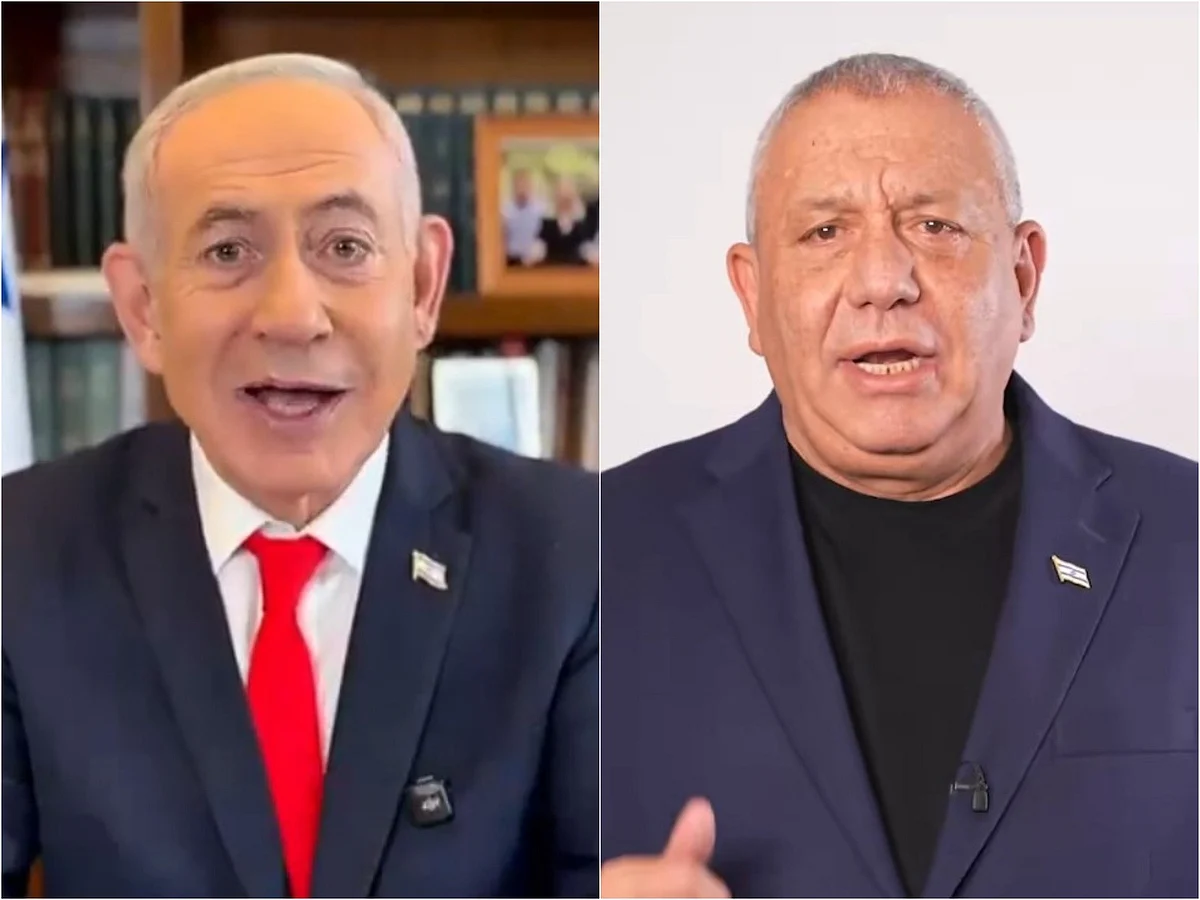
Why it matters
A fractured parliament without a clear 61-seat path introduces prolonged diplomatic and market volatility across Middle Eastern commercial corridors.
What happened (in 30 seconds)
- Exit polls signal total deadlock: The October 27, 2026 legislative election concluded with Prime Minister Benjamin Netanyahu’s right-wing bloc projected at approximately 50 seats and the opposition led by Gadi Eisenkot at 52 to 53 seats, leaving both short of the 61-seat threshold in the 120-seat Knesset.
- Historic turnout shifted the baseline: Voter participation reached 77.7 percent—the highest in more than two decades and roughly 7 percentage points above the 2022 contest.
- Arab parties hold the decisive balance: Projecting 17 to 18 seats, Arab factions such as the Joint List and Ra'am have emerged as potential kingmakers as Likud secured 24 to 25 seats as the single largest party.
The context you actually need
- A high-stakes referendum: The vote served as a direct evaluation of Netanyahu’s governance following the October 7, 2023 Hamas attacks and subsequent regional conflicts.
- Mounting domestic friction: The election followed deep domestic disputes concerning judicial reforms, military conscription exemptions for ultra-Orthodox men, and security oversight failures.
- The baseline arithmetic: With neither traditional alliance commanding a workable legislative majority, Netanyahu remains caretaker prime minister during negotiations that could extend across weeks or months.
What's really happening
The mechanics of the 120-seat Knesset require a minimum 61-seat coalition to govern, but the October 2026 arithmetic offers no mathematically simple path for either camp. With Benjamin Netanyahu’s right-leaning bloc capturing around 50 seats and Gadi Eisenkot’s opposition alliance securing 52 to 53 seats, the system faces structural paralysis.
Likud remains the single largest party with 24 to 25 seats, yet its traditional coalition partners—including religious factions Shas and United Torah Judaism alongside Yisrael Beitenu—do not provide enough combined leverage to cross the finish line. On the opposing side, Eisenkot’s Yashar party and allied factions face an equally steep hurdle: they cannot assemble a majority without relying on Arab parties, projected at 17 to 18 seats. While Arab party leadership has signaled openness toward backing an alternative government, stitching together a durable coalition out of disparate ideological factions presents significant operational friction.
The underlying driver of this deadlock is institutional polarization exacerbated by a 77.7 percent voter turnout. Elevated participation did not deliver a decisive mandate; instead, it entrenched two roughly equal voting blocs. Voters were heavily mobilized around accountability for the post-October 7 security posture, judicial governance, and military draft exemptions. Because these structural questions directly challenge the core platforms of key factions, compromising on cabinet positions and policy concessions will require high-stakes political horse-trading.
For international operators and regional markets, this dynamic replaces immediate policy decisions with an extended interim administration. Under Israeli law, Netanyahu will serve as caretaker prime minister while parties test coalition formulas. Caretaker administrations operate under tight legal constraints: they typically avoid major structural policy shifts, long-term budgetary commitments, or bold bilateral initiatives. Until formal certified results translate into signed coalition agreements, policy continuity remains stalled, creating friction for cross-border capital allocation and strategic agreements across the region.
Who feels it first (and how)
- Aviation operators and travel platforms: Regional carriers such as flydubai and Israeli airlines face scheduling and demand uncertainty as bilateral tourism initiatives stall during extended caretaker governance.
- Cross-border tech and trade investors: Venture funds and corporate joint ventures navigating UAE-Israel commercial pipelines must operate without clear regulatory or ministerial counterparts.
- Energy and infrastructure planners: Regional development frameworks dependent on formal state-level Israeli ratification remain frozen while coalition talks unfold.
What to watch next
- Certified seat tallies from the Central Elections Committee: Minor shifts of one or two seats once official results are finalized will determine whether either bloc can bypass Arab party leverage.
- Presidential mandate assignments: The formal selection of which party leader receives the initial 28-day window to negotiate a government will signal potential coalition paths.
- Signals from Ra'am and the Joint List: Official terms set by Arab factions for outside support or formal entry into an Eisenkot-led coalition will test the opposition’s cohesion.
Neither major bloc reached the 61-seat threshold in exit polls; voter turnout hit a 20-year high of 77.7 percent; Netanyahu stays on as caretaker prime minister.
Weeks of protracted negotiations will trigger localized market and currency volatility across regional exchange desks.
Whether an alternative coalition can successfully integrate Arab party support, or if unresolved negotiations will force a return to the polls.
Frequently Asked Questions
- Why it matters?
- A fractured parliament without a clear 61-seat path introduces prolonged diplomatic and market volatility across Middle Eastern commercial corridors.
- What happened (in 30 seconds)?
- Exit polls signal total deadlock: The October 27, 2026 legislative election concluded with Prime Minister Benjamin Netanyahu’s right-wing bloc projected at approximately 50 seats and the opposition led by Gadi Eisenkot at 52 to 53 seats, leaving both short of the 61-seat threshold in the 120-seat Knesset. Historic turnout shifted the baseline: Voter participation reached 77.7 percent—the highest in more than two decades and roughly 7 percentage points above the 2022 contest. Arab parties hold th
- What's really happening?
- The mechanics of the 120-seat Knesset require a minimum 61-seat coalition to govern, but the October 2026 arithmetic offers no mathematically simple path for either camp. With Benjamin Netanyahu’s right-leaning bloc capturing around 50 seats and Gadi Eisenkot’s opposition alliance securing 52 to 53 seats, the system faces structural paralysis. Likud remains the single largest party with 24 to 25 seats, yet its traditional coalition partners—including religious factions Shas and United Torah Ju
- Who feels it first (and how)?
- Aviation operators and travel platforms: Regional carriers such as flydubai and Israeli airlines face scheduling and demand uncertainty as bilateral tourism initiatives stall during extended caretaker governance. Cross-border tech and trade investors: Venture funds and corporate joint ventures navigating UAE-Israel commercial pipelines must operate without clear regulatory or ministerial counterparts. Energy and infrastructure planners: Regional development frameworks dependent on formal state-l
- What to watch next?
- Certified seat tallies from the Central Elections Committee: Minor shifts of one or two seats once official results are finalized will determine whether either bloc can bypass Arab party leverage. Presidential mandate assignments: The formal selection of which party leader receives the initial 28-day window to negotiate a government will signal potential coalition paths. Signals from Ra'am and the Joint List: Official terms set by Arab factions for outside support or formal entry into an Eisenko
Regional coverage and analysis focused on politics, diplomacy, and business across the Middle East.
"Al-Monitor is known for analytical reporting on Middle East politics and policy developments."
— A47 Editor
In tight Israel vote, both camps hold out cautious hope
Israel held a general election on October 27, 2026, the first national vote since the October 7, 2023 Hamas attacks, and early exit polls showed no clear winner, with the opposition bloc led by Gadi Eisenkot holding a narrow edge over Prime Minister ...
Editor-curated FT homepage stories spanning markets, business, world, and opinion.
"The Financial Times is a globally respected business publication with a centrist/center-left tone and strong markets focus."
— A47 Editor
No clear winner in Israeli parliamentary election, exit polls suggest
Exit polls from Israeli TV surveys suggest that Gadi Eisenkot's bloc is slightly ahead of Benjamin Netanyahu's coalition in the country's parliamentary election, but neither bloc is forecast to secure a majority, leaving no clear winner.
European coverage of Middle East politics and security issues.
"France 24 offers international reporting with a European editorial perspective."
— A47 Editor
Israel election: Record turnout as Netanyahu and Eisenkot remain deadlocked
Israel held a national election on October 27, 2026, the first since the October 7, 2023 Hamas attack, and exit polls showed the race deadlocked, with opposition leader Gadi Eisenkot's bloc narrowly ahead of Prime Minister Benjamin Netanyahu's camp, ...
24/7 international news from a French perspective in multiple languages.
"France 24 is viewed as a globally focused outlet with balanced coverage and a European perspective."
— A47 Editor
Israel election: Record turnout as Netanyahu and Eisenkot remain deadlocked
Israel held a national election on October 27, 2026, the first since the October 7, 2023 Hamas attack, and exit polls showed the race deadlocked, with opposition leader Gadi Eisenkot's bloc narrowly ahead of Prime Minister Benjamin Netanyahu's camp, ...
Comprehensive coverage of global events, politics, and international issues.
"NBC News is a mainstream outlet known for comprehensive national and international coverage with a centrist to slightly left-leaning editorial tone."
— A47 Editor
Unclear outcome from high stakes Israeli election
Israeli voters went to the polls in their first national election since the Oct. 7, 2023 attacks, and the opposition to Prime Minister Benjamin Netanyahu showed strength, but not enough to win power outright. Weeks of coalition negotiations are now e...
Focused political reporting and governmental affairs.
"NBC News is a mainstream media outlet known for comprehensive national and international news coverage with a centrist to slightly left-leaning editorial tone."
— A47 Editor
Unclear outcome from high stakes Israeli election
Israeli voters went to the polls in their first national election since the Oct. 7, 2023 attacks, and the opposition to Prime Minister Benjamin Netanyahu showed strength, but not enough to win power outright. Weeks of coalition negotiations are now e...
Conservative-leaning political and national coverage.
"The Washington Times is a conservative-leaning newspaper known for its political coverage and advocacy of right-of-center viewpoints."
— A47 Editor
Israeli election has fractured result, coalition-building comes next
Israel's general election, held Tuesday, October 27, 2026, produced a fractured result: Prime Minister Benjamin Netanyahu's Likud party won the highest share of the vote, but neither Netanyahu nor his rival, former Israel Defense Forces chief of staf...
European coverage of Middle East politics and security issues.
"France 24 offers international reporting with a European editorial perspective."
— A47 Editor
Israel: First exit polls show no clear winner, Arab parties make gains
Israel's first exit polls after the October 27, 2026 general election showed no clear winner, with the opposition bloc led by Gadi Eisenkot gaining a narrow edge over Prime Minister Benjamin Netanyahu's Likud bloc in the Knesset, while Likud was proj...
24/7 international news from a French perspective in multiple languages.
"France 24 is viewed as a globally focused outlet with balanced coverage and a European perspective."
— A47 Editor
Israel: First exit polls show no clear winner, Arab parties make gains
Israel's first exit polls after the October 27, 2026 general election showed no clear winner, with the opposition bloc led by Gadi Eisenkot gaining a narrow edge over Prime Minister Benjamin Netanyahu's Likud bloc in the Knesset, while Likud was proj...
International coverage from The Guardian's global desks.
"The Guardian is known for its progressive editorial stance and in-depth analysis."
— A47 Editor
Israel election too close to call as exit polls give Netanyahu bloc slightly fewer seats
Israel's national election on October 27, 2026, the first since the October 7, 2023 Hamas attacks, ended without a clear winner, with exit polls showing the opposition bloc led by former IDF chief of staff Gadi Eisenkot and Prime Minister Benjamin Ne...
International stories from NPR’s global desk.
"NPR is an American public media organization known for thoughtful reporting and a slightly left-leaning editorial tone."
— A47 Editor
Israel's election turnout soars, lifting opposition hopes of beating Netanyahu
Israelis voted in their highest numbers in over two decades in a tense national election that is widely seen as a referendum on Prime Minister Benjamin Netanyahu and his far-right coalition. Turnout reportedly reached about 55% by 4pm local time, and...
UAE-based English-language newspaper covering regional politics, economics, and global affairs.
"The National reflects Emirati policy perspectives while maintaining international editorial standards."
— A47 Editor
Israel election live: Netanyahu claims right-wing bloc will win but exit polls show deadlock
Israelis went to the polls on October 27, 2026, in the first national general election since Hamas's October 7, 2023 attacks, a vote widely framed as a referendum on Prime Minister Benjamin Netanyahu, who has led the country almost continuously for n...
Global news coverage with extensive reporting on Middle Eastern conflicts and geopolitics.
"Al Jazeera is a Qatar-based broadcaster known for wide regional coverage and alternative perspectives."
— A47 Editor
Exit polls signal blow for Netanyahu but no clear winner in Israel election
Israel's first national election since the October 7, 2023 Hamas attacks, held on October 27, 2026, ended without a clear winner, with exit polls showing Prime Minister Benjamin Netanyahu's bloc and opposition leader Gadi Eisenkot's bloc deadlocked a...
Comprehensive coverage of Middle Eastern and global issues.
"Al Jazeera is a prominent voice from the Global South, especially the Middle East, with an emphasis on underreported stories."
— A47 Editor
Exit polls signal blow for Netanyahu but no clear winner in Israel election
Israel's first national election since the October 7, 2023 Hamas attacks, held on October 27, 2026, ended without a clear winner, with exit polls showing Prime Minister Benjamin Netanyahu's bloc and opposition leader Gadi Eisenkot's bloc deadlocked a...
A curated Gulf News feed featuring major stories across news, business, opinion, and lifestyle.
"Gulf News is a major UAE newspaper whose featured stories feed reflects a broad editorial mix shaped for a Gulf audience."
— A47 Editor
Israel election: Exit polls show no clear winner as Netanyahu’s fate hangs in balance
Israelis went to the polls on October 27, 2026, in a general election widely viewed as a referendum on Prime Minister Benjamin Netanyahu, who has led the country almost continuously for nearly 17 years. The vote is the first national election since t...
UAE-based newspaper covering Gulf politics, society, and international developments.
"Gulf News is one of the UAE’s most prominent English-language publications."
— A47 Editor
Israel election: Exit polls show no clear winner as Netanyahu’s fate hangs in balance
Israelis went to the polls on October 27, 2026, in a general election widely viewed as a referendum on Prime Minister Benjamin Netanyahu, who has led the country almost continuously for nearly 17 years. The vote is the first national election since t...
Global news coverage with extensive reporting on Middle Eastern conflicts and geopolitics.
"Al Jazeera is a Qatar-based broadcaster known for wide regional coverage and alternative perspectives."
— A47 Editor
Israel election results live: Netanyahu calls for a right-wing government
Israeli voters turned out in record numbers in a national election held October 27, 2026, the first since the October 7, 2023 Hamas attacks, with exit polls showing Prime Minister Benjamin Netanyahu's bloc and opposition leader Gadi Eisenkot's groupi...
Comprehensive coverage of Middle Eastern and global issues.
"Al Jazeera is a prominent voice from the Global South, especially the Middle East, with an emphasis on underreported stories."
— A47 Editor
Israel election results live: Exit polls show tie for Netanyahu, Eisenkot
Israeli voters turned out in record numbers in a national election held October 27, 2026, the first since the October 7, 2023 Hamas attacks, with exit polls showing Prime Minister Benjamin Netanyahu's bloc and opposition leader Gadi Eisenkot's groupi...
Political developments, policy debates, elections, and government affairs in the UK.
"BBC News is widely regarded as a reputable international news organization, known for its impartial tone and public service mandate."
— A47 Editor
Political rivals, and their wives, vote in Israeli election
Israelis went to the polls in a general election widely seen as a referendum on Prime Minister Benjamin Netanyahu, with polling published ahead of the vote suggesting he is almost neck-and-neck with former military chief Gadi Eisenkot in the race to ...
RT is a Russian state-funded network covering global events from a Russian perspective.
"RT is widely criticized for promoting pro-Kremlin narratives and is considered by many to be a state propaganda outlet."
— A47 Editor
Netanyahu bloc falls short of majority in Israeli election – exit polls: As it happened
Israeli voters went to the polls on October 27, 2026, in a parliamentary election widely seen as a referendum on Prime Minister Benjamin Netanyahu's political survival, the first national vote since the October 7, 2023 Hamas attacks. Early exit polls...
International coverage of politics, security, and social issues.
"Global News is a mainstream Canadian outlet with a centrist editorial stance, focusing on factual reporting."
— A47 Editor
Israeli election exit polls show no clear winner with Netanyahu’s fate unknown
Israeli voters went to the polls in a closely watched national election widely seen as a referendum on Prime Minister Benjamin Netanyahu, whose political survival is in question. Early exit polls showed no clear winner, leaving his fate unresolved. P...
Global business headlines with AI angles.
"General business outlet that frequently covers AI."
— A47 Editor
Israel's Elections Could Mark The End of Netanyahu's Ruling. They are Surging to the Polls at the Fastest Rate in Decades.
Israel's elections are drawing unusually strong voter turnout in what is the first national vote since the October 7 attacks, and Prime Minister Benjamin Netanyahu is expected to face a serious challenge from the opposition coalition, with the outcom...
Right-of-center views on political news.
"The Washington Times is a conservative-leaning newspaper known for its political coverage and advocacy of right-of-center viewpoints."
— A47 Editor
A loss by Israeli prime minister Benjamin Netanyahu could lower the political heat in Washington
The Washington Times reports that a loss by Prime Minister Benjamin Netanyahu in Israel's general election on Tuesday, October 27, 2026, could cool domestic political polarization in Washington, though the U.S. security relationship with Israel is un...
Conservative-leaning coverage of current events.
"Fox News is a highly influential conservative news outlet known for right-leaning political commentary and coverage."
— A47 Editor
Israel heads into deeply divided election as Oct 7 reckoning looms: What to know
Israel is heading into a deeply divided general election, its first national vote since the Oct. 7, 2023 attacks, with no political bloc expected to secure a clear majority. The contest is widely framed as a referendum on Prime Minister Benjamin Neta...
European coverage of Middle East politics and security issues.
"France 24 offers international reporting with a European editorial perspective."
— A47 Editor
Polls open in Israeli election seen as referendum on Netanyahu
Israelis went to the polls on October 27, 2026, in the first national election since the October 7, 2023 Hamas attacks, a vote widely seen as a referendum on Prime Minister Benjamin Netanyahu's leadership. Polls opened as France 24's Noga Tarnopolsky...
Coverage of current events and conflicts in the Middle East.
"France 24 is viewed as a globally focused outlet with balanced coverage and a European perspective."
— A47 Editor
Polls open in Israeli election seen as referendum on Netanyahu
Israelis went to the polls on October 27, 2026, in the first national election since the October 7, 2023 Hamas attacks, a vote widely seen as a referendum on Prime Minister Benjamin Netanyahu's leadership. Polls opened as France 24's Noga Tarnopolsky...
Global news coverage with extensive reporting on Middle Eastern conflicts and geopolitics.
"Al Jazeera is a Qatar-based broadcaster known for wide regional coverage and alternative perspectives."
— A47 Editor
Israel heads to the polls as shift to the right dominates critical election
Israelis head to the polls on October 27, 2026, in the first national election since the October 7, 2023 Hamas attacks, a vote widely seen as a referendum on Prime Minister Benjamin Netanyahu, who has dominated Israeli politics for nearly three decad...
Comprehensive coverage of Middle Eastern and global issues.
"Al Jazeera is a prominent voice from the Global South, especially the Middle East, with an emphasis on underreported stories."
— A47 Editor
Israel heads to the polls as shift to the right dominates critical election
Israelis head to the polls on October 27, 2026, in the first national election since the October 7, 2023 Hamas attacks, a vote widely seen as a referendum on Prime Minister Benjamin Netanyahu, who has dominated Israeli politics for nearly three decad...
Global political, business, and cultural coverage from WSJ international desks.
"The Wall Street Journal offers extensive international reporting with a reputation for financial insight and a center-right editorial stance."
— A47 Editor
What’s on the Line as Israelis Prepare to Vote
Israelis are set to vote on October 27, 2026, in parliamentary elections that could determine whether longtime Prime Minister Benjamin Netanyahu remains in power or a new leader takes office. The contest is the first national election since the Octob...
24/7 international news from a French perspective in multiple languages.
"France 24 is viewed as a globally focused outlet with balanced coverage and a European perspective."
— A47 Editor
Israeli election seen as a referendum: For or against Netanyahu?
Israeli Prime Minister Benjamin Netanyahu, who has led the country almost continuously for nearly 17 years, faces a general election on October 27, 2026, widely seen as a referendum on his leadership. His latest term has deeply divided Israeli societ...
European coverage of Middle East politics and security issues.
"France 24 offers international reporting with a European editorial perspective."
— A47 Editor
Israeli election seen as a referendum: For or against Netanyahu?
Israeli Prime Minister Benjamin Netanyahu, who has led the country almost continuously for nearly 17 years, faces a general election on October 27, 2026, widely seen as a referendum on his leadership. His latest term has deeply divided Israeli societ...
Regional coverage and analysis focused on politics, diplomacy, and business across the Middle East.
"Al-Monitor is known for analytical reporting on Middle East politics and policy developments."
— A47 Editor
Factbox-Who are the leading candidates in Israel's election?
Israel's Prime Minister Benjamin Netanyahu has long looked on course to lose power in the country's election, but the race has narrowed as the vote approaches and his rivals have no clear path to power. Votes are due Tuesday, October 27, 2026, for pa...
International stories from NPR’s global desk.
"NPR is an American public media organization known for thoughtful reporting and a slightly left-leaning editorial tone."
— A47 Editor
This center-right former general could unseat Netanyahu as Prime Minister in Israel
A former Israeli general is the main center-right challenger seeking to unseat Prime Minister Benjamin Netanyahu in the October 27, 2026 general election, which is widely viewed as a referendum on Netanyahu's long dominance of Israeli politics.