
Iran Demands Concrete U.S. Actions Amid Ongoing Peace Negotiations
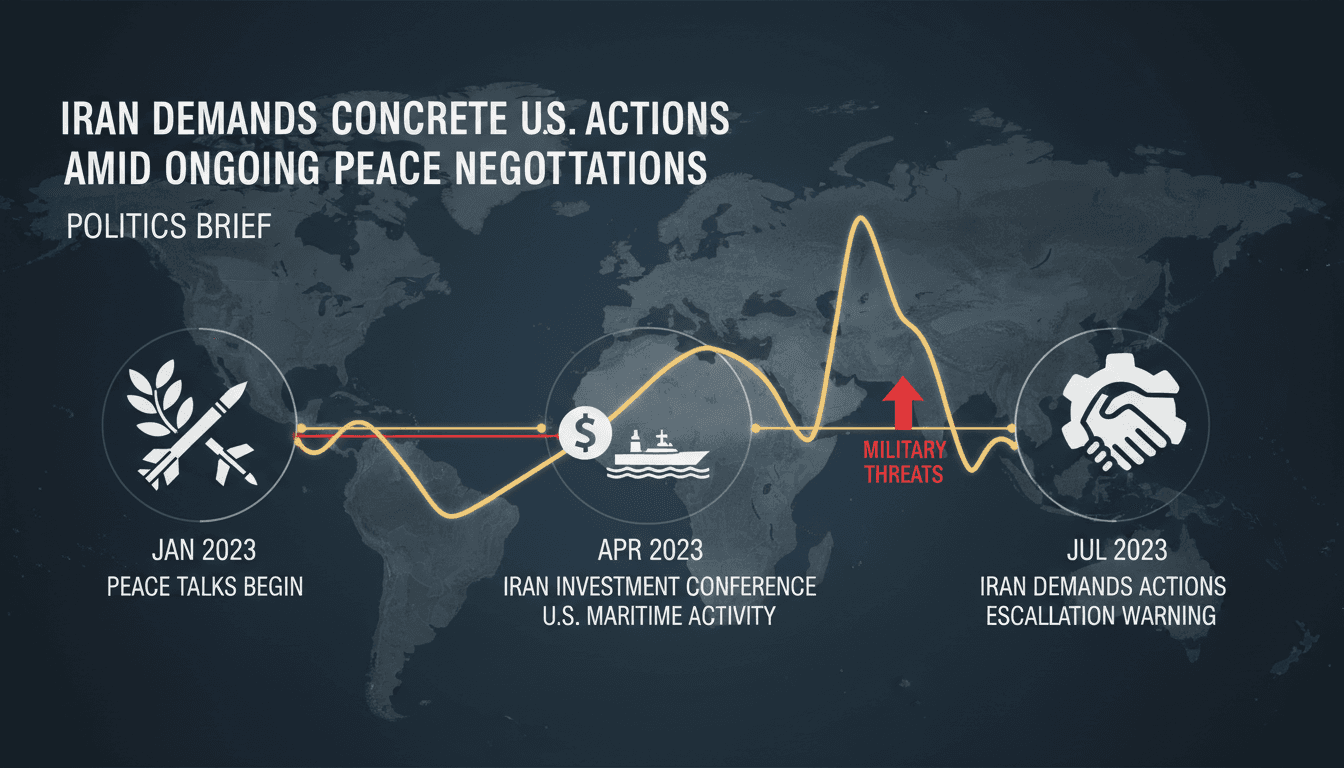
Here's what it means for you.
Iran's insistence on tangible actions from the U.S. signals a critical juncture in international relations, particularly in the context of Middle Eastern stability. The ongoing skepticism could hinder diplomatic efforts and escalate tensions, impacting global markets and security dynamics. Stakeholders should closely monitor developments, especially during Iran's upcoming investment conference, which may influence international engagement.
What happened
Iran's top negotiator, Mohammad Baqer Qalibaf, has publicly stated that the country seeks concrete actions from the United States regarding a potential peace deal. This demand comes as President Donald Trump considers an agreement to extend a ceasefire and facilitate access to the strategically vital Strait of Hormuz. Iranian military officials have also issued warnings of possible military action if U.S. maritime pressure continues, reflecting the heightened tensions between the two nations.
The leadership's skepticism towards U.S. commitments underscores a broader distrust that complicates ongoing negotiations. As Iran prepares for an investment and reconstruction conference scheduled for May 31 to June 1, the atmosphere remains charged with uncertainty. The outcomes of these discussions could significantly influence future diplomatic interactions.
The Context
Iran is currently hosting an investment and reconstruction conference amid ongoing tensions with the U.S., which are exacerbated by military threats from Iranian officials. The U.S. is reportedly contemplating a peace deal that includes a ceasefire and access to the Strait of Hormuz, a critical maritime route. The timing of these negotiations coincides with Iran's efforts to attract international investment, highlighting the delicate balance between economic aspirations and geopolitical realities.
The skepticism expressed by Iran's leadership reflects a long-standing history of mistrust in U.S. assurances. The investment conference, organized by a sanctioned charitable foundation, aims to bolster Iran's economy while navigating the complexities of international relations. As both sides grapple with their positions, the potential for conflict looms if a consensus is not reached.
Takeaway
The situation remains tense as Iran demands concrete actions from the U.S. before any further negotiations can proceed. Observers should monitor developments from the investment conference for potential international participation, which could shift the dynamics of the ongoing discussions. Additionally, any official announcements from the U.S. regarding the proposed peace deal will be crucial in determining the next steps in this fraught relationship.
As negotiations continue, the potential for conflict remains high if both sides do not find common ground. Iran's military readiness to respond to perceived threats adds another layer of complexity to the situation, making it imperative for stakeholders to stay informed.
Arabic-language coverage of political affairs and current events.
"Okaz political coverage typically follows mainstream Saudi framing on national and regional affairs."
— A47 Editor
قاليباف: لا نثق بالضمانات ولن نبادر بأي تحرك
Iranian Parliament Speaker Mohammad Baqer Qalibaf stated that Iran does not trust guarantees or statements, emphasizing that actions are the true measure. He indicated that no movement will occur until the other party initiates, referring to negotiat...
Regional coverage and analysis focused on politics, diplomacy, and business across the Middle East.
"Al-Monitor is known for analytical reporting on Middle East politics and policy developments."
— A47 Editor
Iran calls for actions not words after US officials say peace deal is near
Iran has called for tangible actions from the United States following reports that President Donald Trump is considering a preliminary agreement to extend a ceasefire and reopen the Strait of Hormuz. Iran's chief negotiator, Mohammad Baqer Qalibaf, e...
Pan-Arab news coverage spanning politics, business, sports, and regional affairs.
"Asharq Al-Awsat reflects a broad Arab editorial perspective with strong attention to regional geopolitics."
— A47 Editor
قاليباف: إيران لا تثق بالأقوال... والأفعال وحدها هي المقياس
Iranian chief negotiator Mohammad Baqer Qalibaf stated that Iran does not trust guarantees or words, emphasizing that only actions serve as a true measure of commitment. This statement reflects Iran's cautious approach in diplomatic negotiations, par...