
U.S. Central Command to Reinstate Maritime Blockade on Iran
Here's what it means for you.
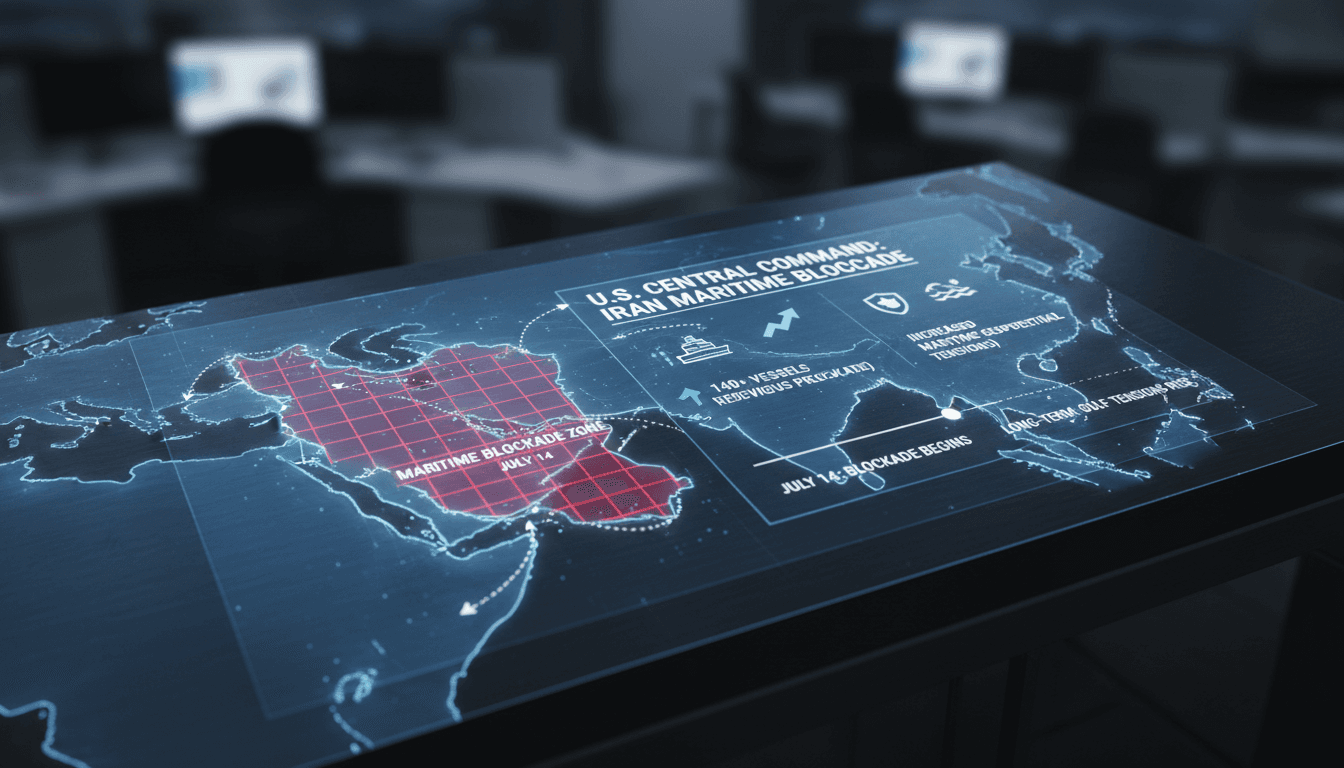
The U.S. Central Command's decision to reinstate a maritime blockade on Iran signals a significant escalation in regional tensions. This move is likely to impact maritime operations and international shipping routes, particularly in the Gulf area. Stakeholders in shipping and trade should prepare for potential disruptions as compliance with the blockade becomes essential. The blockade, set to begin on July 14, aims to enhance maritime security while allowing humanitarian aid to pass through. This dual focus underscores the complexity of U.S. policy in the region, balancing enforcement with humanitarian considerations.
What happened
The U.S. Central Command has announced the resumption of a maritime blockade on Iran, effective July 14 at 11 PM local time. This action follows a previous blockade period from April to June, during which over 140 vessels were redirected or disrupted. The U.S. aims to ensure maritime security while allowing humanitarian aid to continue flowing.
This renewed blockade is a continuation of earlier enforcement actions taken by U.S. forces. The military is encouraging compliance from maritime operators to avoid disruptions in their operations.
The Context
The blockade is designed to control maritime traffic to and from Iranian ports, reflecting ongoing geopolitical tensions in the region. The U.S. has previously enforced similar measures, indicating a sustained commitment to monitoring Iranian maritime activities. The timing of this blockade coincides with heightened scrutiny of Iran's actions in the Gulf.
As the situation evolves, various stakeholders, including shipping companies and regional governments, will be closely monitoring developments. The implications of this blockade extend beyond immediate maritime security, potentially affecting broader international relations and trade dynamics.
Takeaway
The reinstated blockade may escalate tensions in the Gulf region, impacting maritime operations significantly. Observers should monitor Iran's reactions to this decision, as well as updates on maritime traffic in the area. The U.S. military's emphasis on compliance suggests that non-compliance could lead to further disruptions.
As the blockade takes effect, the situation in the Gulf may become increasingly tense, with potential implications for regional stability and international shipping routes. Stakeholders should remain vigilant as developments unfold.
Jordanian news and regional updates.
"Roya News is a Jordanian outlet focused on breaking news and local affairs."
— A47 Editor
اليوم الـ27 للتفاهم الأمريكي الإيراني.. أمريكا تعلن موعد الحصار البحري على إيران
On the 27th day of the U.S.-Iran understanding, the United States has announced the date for the maritime blockade against Iran, signaling a significant escalation in tensions between the two nations. This move comes amid ongoing diplomatic efforts a...
Arabic-language coverage of international news and geopolitics.
"RT Arabic is a Russian state-funded outlet often criticized for promoting Kremlin-aligned narratives."
— A47 Editor
البحرية الأمريكية تعلن إعادة فرض الحصار على إيران مساء الثلاثاء
The U.S. Navy's Joint Maritime Information Center announced that American forces will reinstate a maritime blockade on Iran on the evening of Tuesday, July 14. This decision reflects ongoing tensions between the U.S. and Iran, particularly concerning...
Arabic-language coverage of political affairs and current events.
"Okaz political coverage typically follows mainstream Saudi framing on national and regional affairs."
— A47 Editor
الجيش الأمريكي يعلن موعد بدء الحصار على إيران
The U.S. Central Command announced the resumption of a maritime blockade on Iran, effective from 11 PM local time on July 14, following directives from the Commander-in-Chief. The blockade will target vessels heading to or departing from Iranian port...