
Drone Attack on LNG Tanker Raises Global Energy Supply Concerns
Here's what it means for you.
The recent drone attack on a liquefied natural gas (LNG) tanker near the Strait of Hormuz has significant implications for global energy markets. Stakeholders should prepare for potential disruptions in supply chains, which could lead to increased regulatory scrutiny in both energy and cryptocurrency sectors. As natural gas prices surge, the incident highlights the vulnerabilities of energy transport routes and the geopolitical tensions that can affect market stability. The attack underscores the need for enhanced security measures for energy vessels, as the risk of similar incidents may rise. Investors and policymakers must remain vigilant as the situation evolves.
What happened
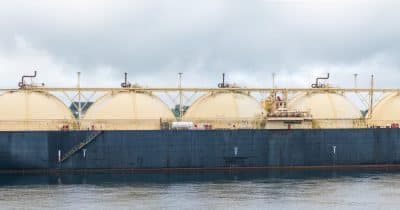
An LNG tanker was severely damaged in a drone attack off the Iranian coast, raising immediate concerns about the risk of explosion. The incident occurred on July 7, 2026, in the Omani side of the Strait of Hormuz, a critical shipping route for global energy supplies. Following the attack, reports indicated a surge in natural gas prices, reflecting the market's reaction to the heightened risk.
At the time of the attack, the tanker was loaded with liquefied natural gas, further complicating the situation. The incident has drawn attention to the safety of energy vessels in the region, where recent conflicts have seen an increase in targeting.
The Context
The Strait of Hormuz is a vital artery for global energy supplies, making any disruption a matter of international concern. Recent geopolitical tensions have led to increased targeting of energy vessels, raising safety and security issues for stakeholders in the energy sector. The attack on the LNG tanker highlights the precarious nature of energy transport in a region fraught with conflict.
As the situation develops, the implications extend beyond immediate safety concerns to potential regulatory changes in energy and cryptocurrency markets. Stakeholders must consider how disruptions in supply chains may prompt a reevaluation of existing regulations and security protocols.
Takeaway
In the wake of the drone attack, stakeholders in the energy sector should closely monitor fluctuations in LNG prices and the broader implications for market stability. The incident may lead to increased regulatory scrutiny as authorities respond to the potential for further disruptions.
Investors should also keep an eye on possible regulatory changes in cryptocurrency markets, as energy supply concerns could influence policy decisions. As the situation unfolds, the focus will be on how these developments impact both energy security and market dynamics.
Regional coverage and analysis focused on politics, diplomacy, and business across the Middle East.
"Al-Monitor is known for analytical reporting on Middle East politics and policy developments."
— A47 Editor
Explainer-What are the risks of an LNG tanker explosion?
A Qatari tanker loaded with liquefied natural gas (LNG) is at risk of explosion after sustaining significant damage in an attack near the Omani side of the Strait of Hormuz. This incident follows a series of recent attacks on commercial vessels in th...
UK and global business, economy, and markets coverage.
"Sky News is often seen as a center-right outlet in the UK, known for rolling news and breaking business stories."
— A47 Editor
Gas prices surge as LNG tanker burns after 'drone' attack
Natural gas prices have surged sharply following a drone attack on a liquefied natural gas (LNG) tanker off the Iranian coast, which has left the vessel at risk of explosion. This incident occurred in the Gulf of Oman, a critical shipping route linki...
Research, news, and analysis on blockchain startups, DeFi, and regulations.
"Crypto Briefing provides research, news, and analysis on blockchain startups, DeFi, and crypto regulations with investor-focused coverage."
— A47 Editor
Strait of Hormuz drone attack damages LNG tanker, raising energy market fears and crypto sanctions questions
A drone attack in the Strait of Hormuz has damaged an LNG tanker, escalating geopolitical tensions and raising concerns about potential disruptions to global energy supply chains. This incident has sparked fears in energy markets and prompted questio...