
Parents express significant concerns over children's reliance on AI in education
Here's what it means for you.
The increasing integration of artificial intelligence in educational settings is prompting significant parental concern. As AI tools become commonplace in classrooms, parents are reflecting on their potential impact on their children's learning experiences. This growing unease may lead to discussions about the need for regulations that ensure a balanced approach to technology in education. The implications of these concerns extend beyond individual households, potentially influencing educational policy and market trends. Stakeholders in the education sector must consider how to address these worries while still embracing technological advancements.
What happened
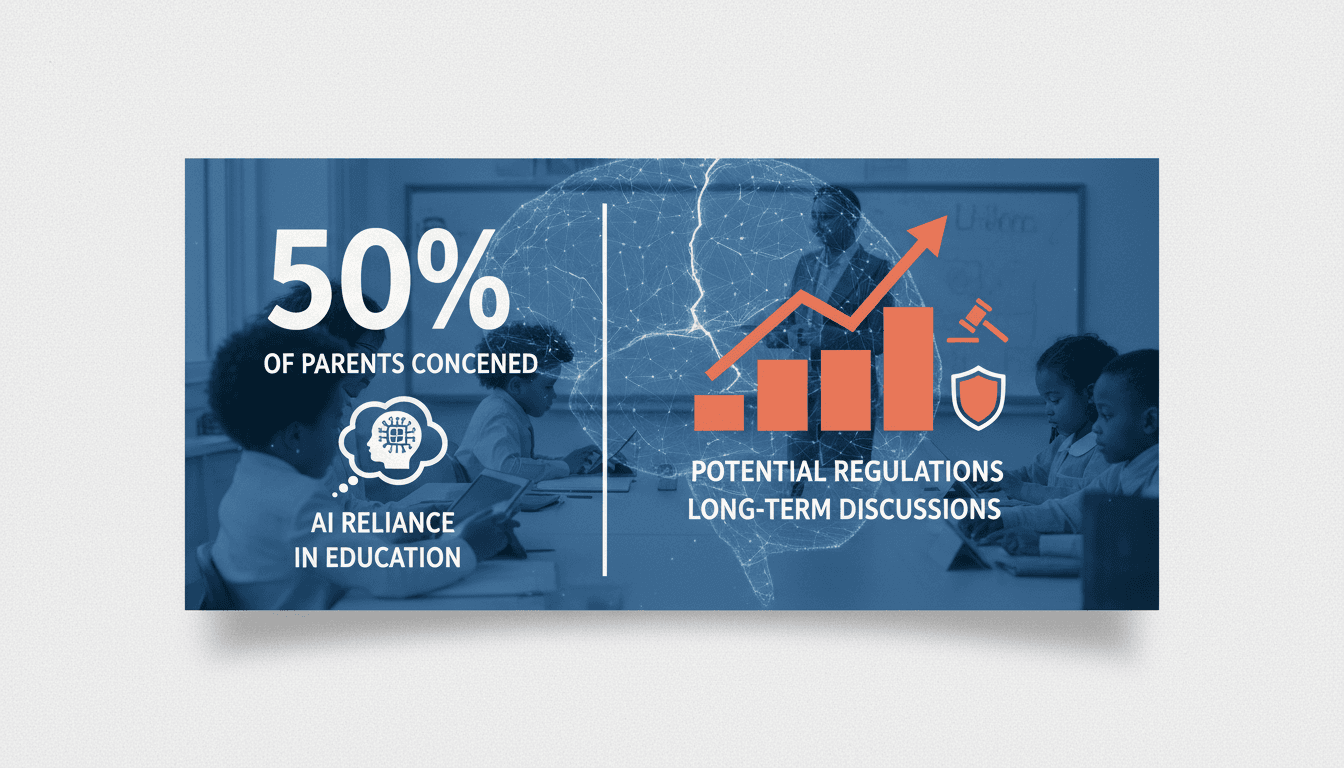
A recent survey revealed that half of parents are worried about their children's excessive reliance on artificial intelligence in educational settings. This finding highlights a significant level of concern regarding the impact of AI tools on children's learning. As AI becomes increasingly prevalent in primary education, parents are voicing their apprehensions about the long-term effects of such dependence.
The survey was part of Deloitte's annual back-to-school study, which indicates a growing awareness among parents about the role of AI in their children's education. Concerns about over-reliance on technology are not limited to one region, as similar sentiments are echoed in countries like the Netherlands and the United States.
The Context
The integration of AI into education is a rapidly evolving trend that raises alarms among parents. As AI tools become more common in classrooms, stakeholders must navigate the balance between leveraging technology and ensuring effective learning outcomes. The timing of these concerns coincides with a broader dialogue about the implications of AI for future generations.
Parents are increasingly aware of how these technologies may affect their children's educational experiences. This awareness is crucial as it may lead to collective action, prompting discussions about potential regulations on AI use in schools. The ongoing evolution of AI technology will likely shape these conversations.
Takeaway
As AI continues to integrate into education, parental concerns may drive discussions on balancing technology use in learning environments. The potential for regulations on AI in schools is a key area to watch, as stakeholders seek to address these worries while still embracing innovation. Emerging educational tools that balance AI and traditional learning methods may also gain traction in response to these concerns.
The future of education will likely involve ongoing conversations about the role of AI, shaping policies and practices aimed at ensuring a balanced approach to learning. As these discussions unfold, the impact on both students and educators will be significant.
U.S. company headlines: M&A, product launches, legal/regulatory actions, and leadership moves.
"U.S.-centric corporate tape; good for tracking single-name catalysts."
— A47 Editor
Kids use more AI than parents think, study shows
A recent study indicates that children are utilizing artificial intelligence (AI) technologies more than their parents realize, highlighting a generational gap in awareness and understanding of AI's role in daily life. This finding underscores the im...
Opinionated AI coverage for general audiences.
"TNW’s AI vertical covering tools, ethics, and trends."
— A47 Editor
Half of parents worry their children rely on AI too much, survey finds
A recent survey conducted by Deloitte reveals that half of parents are concerned their children are overly reliant on artificial intelligence (AI) in educational settings. This finding reflects growing unease among parents regarding the integration o...
Business and tech news excluding paywalled content.
"High-volume business/tech outlet with frequent AI coverage."
— A47 Editor
Half of parents are worried their kids are too hooked on AI
A recent survey reveals that half of parents are increasingly concerned about their children becoming overly reliant on artificial intelligence (AI), highlighting a growing anxiety about the technology's influence on younger generations.