
Toronto's air quality ranked worst globally due to wildfires in northern Ontario
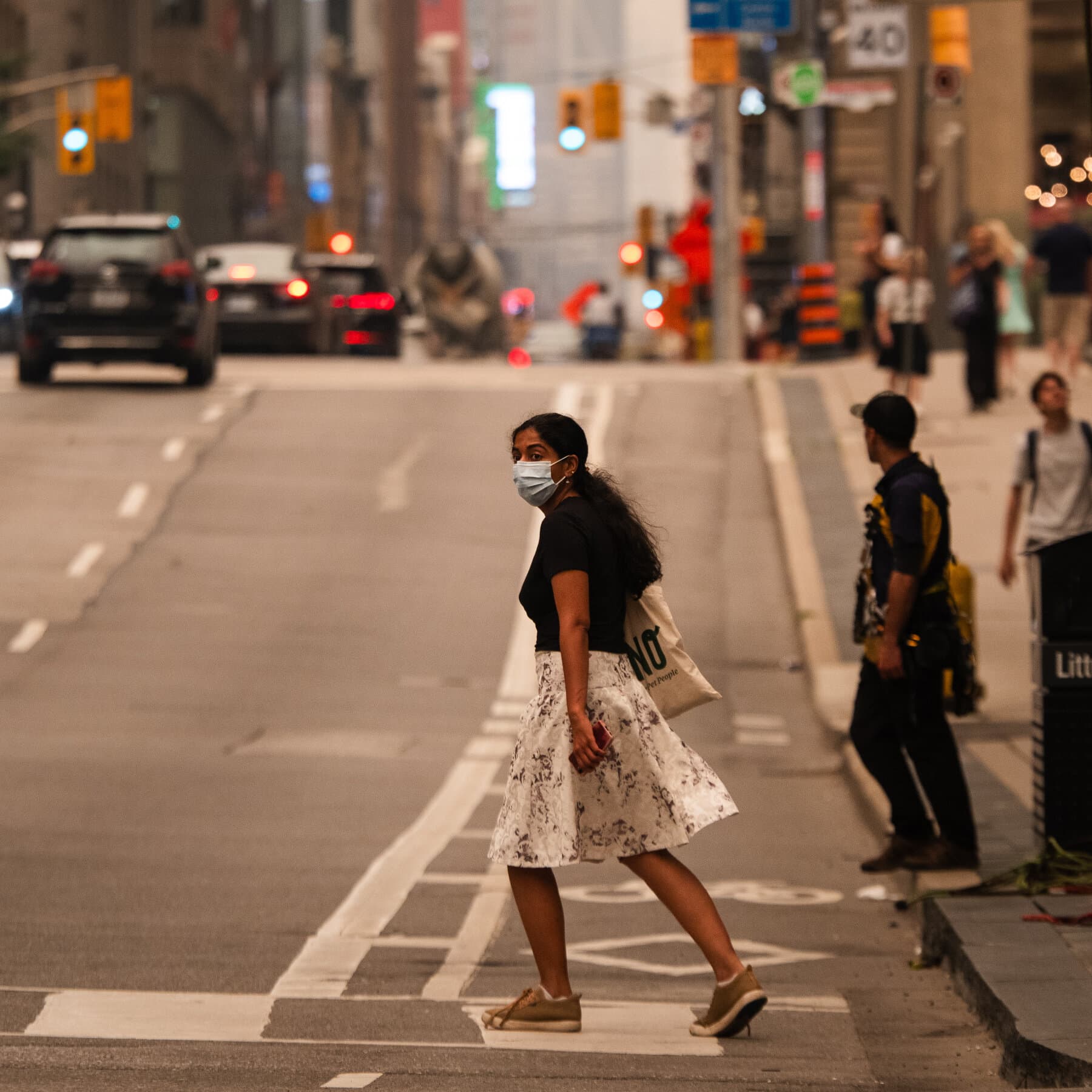
Here's what it means for you.
The alarming decline in Toronto's air quality underscores the urgent need for effective wildfire management and climate change strategies. As over 100 wildfires rage in northern Ontario, public health risks are escalating, prompting health authorities to issue warnings. This situation not only affects local residents but also has repercussions for air quality across the northeastern United States. The implications of this environmental crisis extend beyond immediate health concerns, highlighting the necessity for policy adjustments and increased scrutiny on climate resilience measures. Stakeholders must prioritize sustainable practices to mitigate the impact of extreme weather events on urban air quality.
What happened
On July 15, 2026, Toronto's air quality was reported as the worst in the world, primarily due to smoke from over 100 active wildfires in northern Ontario. The smoke has caused the skies over the city to turn yellow and orange, significantly affecting air quality. Environment Canada responded by issuing health warnings, advising residents to stay indoors to avoid the hazardous conditions.
This environmental crisis has not only impacted Toronto but has also affected air quality in several major cities across the northeastern United States. The combination of heat and pollution has raised concerns about respiratory ailments among the population.
The Context
The ongoing wildfires in northern Ontario are a direct result of extreme weather conditions, which have become increasingly common due to climate change. With more than 100 wildfires currently active, the situation has drawn attention to the broader implications of wildfire management strategies. Health authorities are closely monitoring the situation, emphasizing the need for residents to take precautions.
As the wildfires continue to burn, the potential for further air quality deterioration remains high. This crisis serves as a stark reminder of the interconnectedness of climate events and public health, necessitating a coordinated response from various stakeholders, including government agencies and environmental organizations.
Takeaway
The ongoing wildfires highlight the increasing risks of air pollution and health hazards during extreme weather events. As the situation develops, it is crucial to monitor air quality updates from Environment Canada and heed health advisories. The public should remain vigilant as the potential for further deterioration in air quality looms.
Looking ahead, the focus will be on how authorities manage the wildfires and the subsequent impact on public health. Continuous updates and advisories will be essential in navigating this environmental crisis.
Health trends, medical research, and fitness reporting.
"The New York Times is a globally recognized newspaper offering authoritative reporting with a center-left editorial stance."
— A47 Editor
Canada Wildfire Air Pollution and Heat Wave Combo Pose Heightened Health Risks
Canada is currently facing a severe health crisis as a combination of intense heat and air pollution from wildfires has heightened the risks of respiratory ailments. Cities like Toronto are experiencing hazardous air quality due to smoke from wildfir...
Scientific research, space, environment, and health coverage.
"The New York Times is a globally recognized newspaper offering authoritative reporting with a center-left editorial stance."
— A47 Editor
Canada Wildfire Air Pollution and Heat Wave Combo Pose Heightened Health Risks
Canada is currently facing a severe health crisis as a combination of intense heat and air pollution from wildfires has heightened the risks of respiratory ailments. Cities like Toronto are experiencing hazardous air quality due to smoke from wildfir...
English-language news from Qatar covering domestic and regional affairs.
"Gulf Times reflects Qatari perspectives on regional developments."
— A47 Editor
Toronto air ranked among world’s worst after wildfire
Toronto has been reported to have the worst air quality of any major city globally, according to the Swiss firm IQAir, prompting Canadian authorities to advise residents to remain indoors. This alarming situation follows recent wildfires that have si...
Reports on climate change, environmental science, sustainability, and nature.
"BBC News is widely regarded as a reputable international news organization, known for its impartial tone and public service mandate."
— A47 Editor
Canada wildfires leaves train 'encased in flames' as smoke from drifts towards US
Recent wildfires in Canada have left a train 'encased in flames' while smoke from the blazes drifts towards the United States, prompting a rescue operation for the crew involved. The situation has created a hazardous environment, particularly affecti...
International coverage from The Guardian's global desks.
"The Guardian is known for its progressive editorial stance and in-depth analysis."
— A47 Editor
Wildfires in Ontario make Toronto air quality worst in world
Smoke from over 100 active wildfires in northern Ontario has caused Toronto's air quality to be ranked the worst in the world, with the sky turning a sickly yellow. Environment Canada has issued health warnings as the smoke spreads across northeaster...
National coverage of politics and current events across Canada.
"Global News is a mainstream Canadian outlet with a centrist editorial stance, focusing on factual reporting."
— A47 Editor
Toronto’s air quality ranked world’s worst as wildfire smoke settles in
Toronto's air quality has been reported as the worst in the world, with the city's skies turning orange due to smoke from forest fires in northwestern Ontario. This alarming environmental situation has raised concerns about public health and safety a...