
Iran asserts control over the Strait of Hormuz impacting global oil shipping
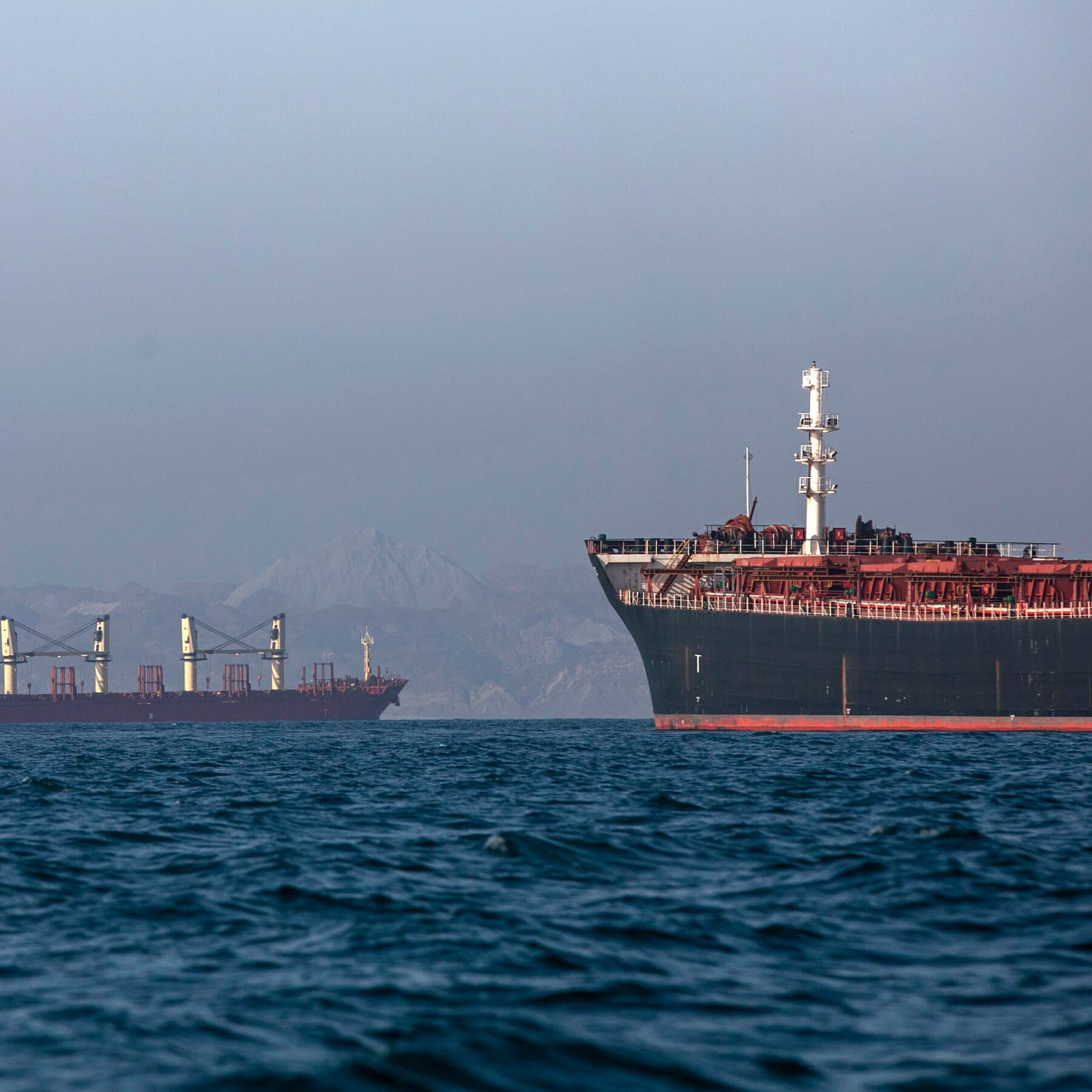
Here's what it means for you.
The ongoing tensions in the Strait of Hormuz could significantly disrupt global oil markets and shipping routes. With Iran's recent attempts to charge for passage, the shipping industry faces uncertainty that may lead to increased costs and delays. Stakeholders must closely monitor developments, as the situation could escalate, prompting international responses that may further complicate maritime operations.
What happened
Iran is currently trying to assert control over the Strait of Hormuz by implementing charges for passage, which has led to a notable decrease in ship traffic. Reports indicate that only 26 vessels successfully navigated the strait on May 19 and 20, a stark contrast to the average of 135 ships that typically pass through daily. This disruption has raised alarms within the shipping industry and among global markets, as the strait is a critical route for oil shipments.
The Islamic Revolutionary Guard Corps is reportedly involved in facilitating the passage of these vessels, adding a layer of complexity to the situation. As tensions rise, the implications for global oil supply and shipping routes become increasingly significant. The crisis has left many vessels and workers stranded in the Persian Gulf for nearly three months, exacerbating the challenges faced by the shipping industry.
The Context
The Strait of Hormuz is a vital maritime corridor, with approximately 135 ships traversing it daily before the current crisis. Iran's recent claims and actions have raised concerns about the stability of this crucial waterway, which is essential for global oil supply. The involvement of the Islamic Revolutionary Guard Corps suggests a strategic maneuver by Iran to exert influence over international shipping.
As geopolitical tensions escalate, the potential for increased military presence and international intervention looms large. The situation is being closely monitored by global stakeholders, as any further disruptions could have far-reaching consequences for oil markets and shipping logistics. The timing of these developments is critical, as they coincide with rising global energy demands and fluctuating oil prices.
Takeaway
Looking ahead, it is essential to monitor Iran's actions regarding shipping fees and control measures in the Strait of Hormuz. The international community's response to Iran's claims and actions will be pivotal in shaping the future of shipping in this region. Experts believe that while Iran's attempt to charge for passage may not succeed, the uncertainty it has created could lead to further disruptions in global oil markets.
As the situation evolves, stakeholders should remain vigilant for any signs of increased military presence or international intervention. The implications of these developments could significantly impact shipping routes and oil supply chains, making it crucial for industry players to stay informed and prepared for potential changes.
Editor-curated FT homepage stories spanning markets, business, world, and opinion.
"The Financial Times is a globally respected business publication with a centrist/center-left tone and strong markets focus."
— A47 Editor
The power struggle in the world’s narrow seas
The ongoing crisis in the Strait of Hormuz has escalated, with nations competing to secure alternative maritime routes as the closure of this vital waterway threatens the global economy. The situation is exacerbated by Iran's attempts to assert contr...
Stock market news, investing ideas, and trading analysis.
"TheStreet provides market news and retail-investor-focused analysis."
— A47 Editor
Iran and Oman reveals shocking plan for Strait of Hormuz and oil
Iran and Oman have unveiled a controversial plan regarding the Strait of Hormuz, a vital maritime route for oil shipments, where Iran claims to have facilitated the passage of 26 vessels on May 19 and 20 with assistance from the Islamic Revolutionary...
Markets, economy, and company analysis from NYT’s business desk.
"The New York Times is a globally recognized newspaper offering authoritative reporting with a center-left editorial stance."
— A47 Editor
The Risks of Iran’s Threat to Control the Strait of Hormuz
Iran is attempting to assert control over the Strait of Hormuz by proposing a toll for passage, a move that has raised concerns within the shipping industry. This threat has already led to significant disruptions, with vessels and workers stranded in...