
Israel escalates military operations in southern Lebanon with airstrikes causing casualties and destruction
Here's what it means for you.
The recent escalation of Israeli airstrikes in southern Lebanon signals a significant deterioration in regional stability, raising concerns for international stakeholders. The humanitarian crisis is likely to deepen, prompting urgent calls for intervention from global powers. Businesses and policymakers should prepare for potential disruptions in the region, as ongoing violence may affect trade routes and diplomatic relations.
What happened
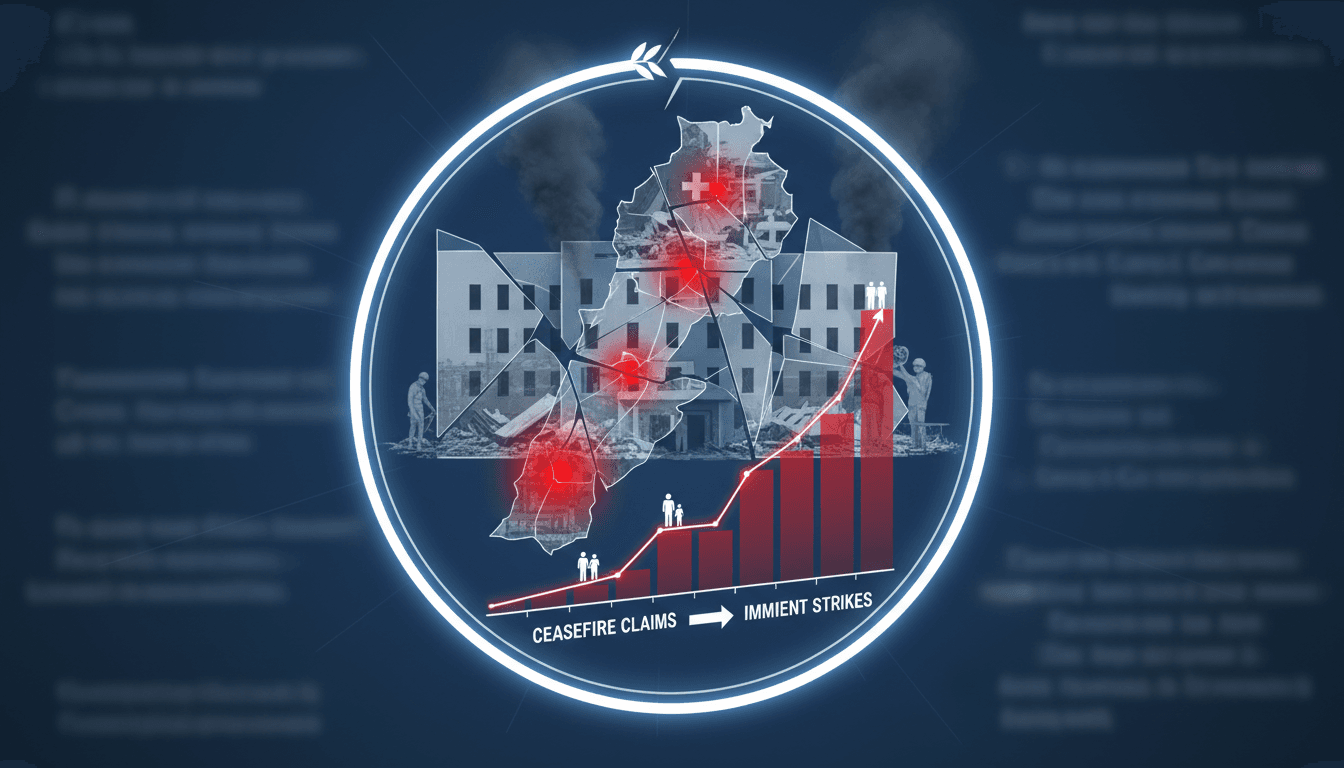
Israeli airstrikes in southern Lebanon have resulted in at least four confirmed deaths and extensive destruction, including the demolition of a hospital. These attacks have primarily targeted areas in the Bekaa Valley and near Tyre, focusing on locations close to Lebanese army barracks. The strikes have instilled a climate of fear among residents, many of whom are facing displacement due to the ongoing military operations.
Despite claims of a ceasefire, the violence continues unabated, with Israel issuing warnings of imminent strikes on additional villages. The situation remains fluid, with the potential for further escalation as military actions persist.
The Context
The recent airstrikes are part of a broader pattern of military operations by Israel in southern Lebanon, which have intensified amid rising tensions in the region. The local population is experiencing psychological terror due to the continuous bombardment and displacement orders, creating a dire humanitarian situation. The strikes not only target military objectives but also impact civilian infrastructure, exacerbating the crisis.
As international observers monitor the situation, the potential for a humanitarian catastrophe looms large. The ongoing violence complicates efforts for a lasting ceasefire and raises questions about the effectiveness of diplomatic interventions in the region.
Takeaway
The situation in southern Lebanon remains volatile, with the likelihood of further military escalation as Israel continues its operations. Observers should closely monitor developments regarding the ceasefire status and the international community's response to the humanitarian crisis. The ongoing airstrikes are likely to prompt urgent calls for intervention, as the humanitarian situation deteriorates.
As the conflict unfolds, updates on the humanitarian conditions in southern Lebanon will be critical for understanding the broader implications for regional stability and international relations.
Regional and international reporting focused on Middle Eastern politics, diplomacy, and economics.
"Asharq Al-Awsat is a Saudi-owned international newspaper reflecting mainstream Gulf political perspectives."
— A47 Editor
Israel Warns of Imminent Strikes on 10 Lebanese Villages
Israel has issued warnings of imminent military strikes on ten villages in southern Lebanon, escalating tensions in the region amid ongoing military operations against Hezbollah. This warning follows a series of airstrikes that have already resulted ...
Latest Bahasa Malaysia headlines across national affairs, politics, business, and public developments.
"Astro Awani offers a broad latest-news feed useful for detecting fast-moving Malaysian institutional stories."
— A47 Editor
Serangan terbaharu Israel musnahkan hospital di selatan Lubnan
Israeli airstrikes on Saturday destroyed a hospital in Tyre, southern Lebanon, marking a significant escalation in violence in the region. This attack is part of a series of airstrikes that have reportedly resulted in the destruction of 16 hospitals ...
International coverage from The Guardian's global desks.
"The Guardian is known for its progressive editorial stance and in-depth analysis."
— A47 Editor
Israeli bombardment reduces buildings to craters in southern Lebanon
Israeli airstrikes in southern Lebanon have intensified, resulting in the deaths of at least four individuals and the destruction of buildings in the Bekaa Valley and Tyre. This escalation follows previous attacks that killed a child and six paramedi...
Global news coverage with extensive reporting on Middle Eastern conflicts and geopolitics.
"Al Jazeera is a Qatar-based broadcaster known for wide regional coverage and alternative perspectives."
— A47 Editor
Israel attacks southern Lebanon and near Syrian border despite ‘ceasefire’
Israeli airstrikes have intensified in southern Lebanon and near the Syrian border, causing significant casualties and psychological distress among the local population, despite a nominal ceasefire that was recently extended for an additional 45 days...
Comprehensive coverage of Middle Eastern and global issues.
"Al Jazeera is a prominent voice from the Global South, especially the Middle East, with an emphasis on underreported stories."
— A47 Editor
Israel attacks southern Lebanon and near Syrian border despite ‘ceasefire’
Israeli airstrikes have intensified in southern Lebanon and near the Syrian border, causing significant casualties and psychological distress among the local population, despite a nominal ceasefire that was recently extended for an additional 45 days...