
Escalating Military Confrontations in the Strait of Hormuz Complicate U.S.-Iran Peace Efforts
Here's what it means for you.
The rising military tensions in the Strait of Hormuz are not only straining Iran's economy but also complicating U.S. diplomatic efforts aimed at fostering peace in the region. As hard-liners in Iran prioritize military control, the potential for economic recovery diminishes, impacting market stability. Stakeholders should closely monitor these developments, as they could influence broader geopolitical dynamics and economic conditions.
What happened
Military confrontations over transit through the Strait of Hormuz have escalated significantly, affecting both Iran's economy and U.S. diplomatic initiatives. Two nights of military confrontations have underscored the rising tensions in the region, with Iranian state media emphasizing the need for vessels to adhere to designated routes. These confrontations have led to negative market reactions within Iran, highlighting the economic repercussions of the ongoing conflict.
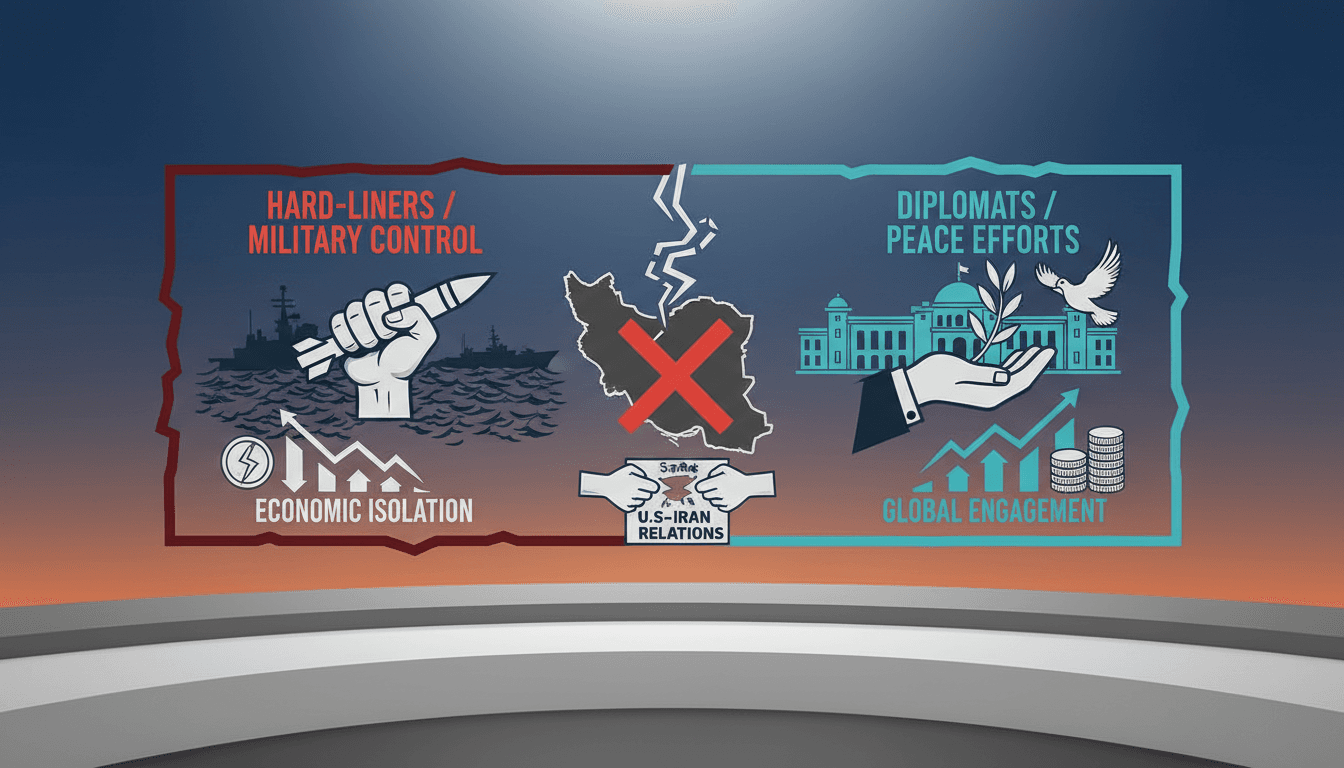
The internal divisions within Iran are becoming increasingly pronounced, with moderates advocating for economic relief through the release of funds held in Qatar. In contrast, hard-liners, particularly within the Islamic Revolutionary Guard Corps (IRGC), are focusing on maintaining military dominance over this strategic waterway. This divergence in priorities is complicating U.S.-Iran relations and the prospects for peace talks.
The Context
Iran is currently at a critical juncture, where internal political divisions are jeopardizing both its economic recovery and diplomatic relations with the United States. The hard-liners' emphasis on military control in the Strait of Hormuz is creating friction that undermines potential peace negotiations. As moderates push for economic improvements, the IRGC's actions are counterproductive to these efforts, leading to increased instability.
The timing of these confrontations is particularly significant, as they coincide with ongoing U.S. peace talks. The hard-liners' focus on military dominance is likely to exacerbate tensions, making it more challenging for moderates to achieve their goals. The situation remains fluid, and the implications for regional stability are profound.
Takeaway
As tensions continue to rise in the Strait of Hormuz, the potential for further military confrontations remains high, complicating diplomatic efforts and economic recovery in Iran. Stakeholders should closely monitor developments in U.S.-Iran peace talks, as the diverging priorities within Iran could significantly impact the outcome. Observing the IRGC's influence on Iran's foreign policy will also be crucial in understanding the trajectory of these relations.
The ongoing conflict is likely to have long-term implications for both U.S.-Iran relations and regional stability. The interplay between military actions and economic conditions will be a key area to watch in the coming weeks.
Global political, business, and cultural coverage from WSJ international desks.
"The Wall Street Journal offers extensive international reporting with a reputation for financial insight and a center-right editorial stance."
— A47 Editor
Iran’s Diverging Priorities Are Jeopardizing U.S. Peace Talks
Recent tensions between Iran and the United States have escalated, jeopardizing peace talks as hard-liners in the Islamic Revolutionary Guard Corps (IRGC) prioritize control over the strategic Strait of Hormuz, while moderates seek to access billions...
Global news coverage with extensive reporting on Middle Eastern conflicts and geopolitics.
"Al Jazeera is a Qatar-based broadcaster known for wide regional coverage and alternative perspectives."
— A47 Editor
IRGC doubles down as Iran-US MoU jeopardised by Hormuz strikes
Recent military confrontations in the Strait of Hormuz have escalated tensions between Iran and the United States, following drone attacks on a Singapore-flagged cargo ship. The U.S. responded with airstrikes targeting Iranian missile and drone facil...
Comprehensive coverage of Middle Eastern and global issues.
"Al Jazeera is a prominent voice from the Global South, especially the Middle East, with an emphasis on underreported stories."
— A47 Editor
IRGC doubles down as Iran-US MoU jeopardised by Hormuz strikes
Recent military confrontations in the Strait of Hormuz have escalated tensions between Iran and the United States, following drone attacks on a Singapore-flagged cargo ship. The U.S. responded with airstrikes targeting Iranian missile and drone facil...
Business and economy coverage focused on Dubai, the UAE, Saudi Arabia, and the wider Middle East.
"Arabian Business is a well-known regional business outlet with strong focus on Gulf markets, leadership, and investment stories."
— A47 Editor
Iran says Hormuz transit still requires IRGC coordination
Iran has reiterated that vessels entering and exiting the Gulf must coordinate with the Islamic Revolutionary Guard Corps (IRGC) and adhere to designated routes near Hormuz and Larak islands, as reported by Iranian state television. This announcement...