
Shipping Executives Call for Regulations Amid U.S.-Iran Peace Talks
Here's what it means for you.
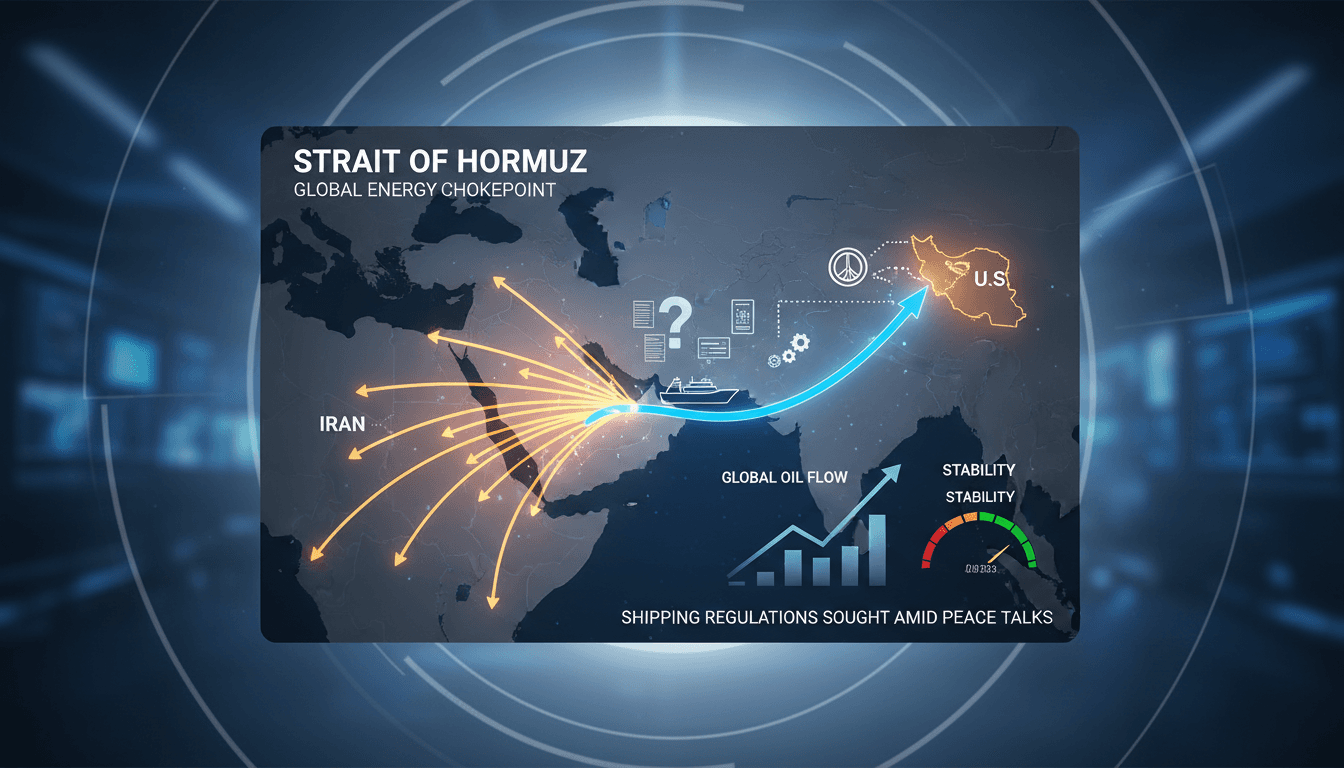
The call for clear regulations by shipping executives underscores the critical need for stability in the Strait of Hormuz, a vital artery for global oil shipments. As approximately 20% of the world's oil passes through this passage, any disruptions can have significant repercussions on energy markets. The ongoing discussions between the U.S. and Iran could pave the way for a more secure maritime environment, which is essential for restoring normal shipping operations. With the Posidonia shipping exhibition serving as a backdrop, industry leaders are emphasizing the urgency of establishing clear navigation rules. This situation highlights the interconnectedness of geopolitical relations and maritime commerce, making it a focal point for stakeholders in the shipping industry.
What happened
Shipping executives convened in Athens on June 1, 2026, to advocate for clear regulations that would facilitate the safe resumption of navigation through the Strait of Hormuz. This meeting coincided with the Posidonia shipping exhibition, a significant event in the maritime calendar. The executives expressed their concerns regarding the stability of this critical shipping route amid ongoing discussions about potential peace negotiations between the United States and Iran.
The call for clarity in navigation rules is seen as essential for restoring normal shipping activities in the region. The executives emphasized that without these regulations, the maritime industry would continue to face uncertainties that could disrupt operations.
The Context
The Strait of Hormuz is a vital passage for global oil shipments, making its security crucial for energy markets worldwide. Tensions between the U.S. and Iran have historically disrupted shipping activities in this region, leading to increased calls for regulatory clarity. The timing of this meeting is particularly significant, as it aligns with ongoing discussions about potential peace agreements that could stabilize the area.
The Posidonia shipping exhibition serves as a platform for industry leaders to voice their concerns and advocate for necessary changes. The maritime industry is closely monitoring U.S.-Iran relations, as any agreements reached could have a profound impact on shipping operations in the Strait of Hormuz.
Takeaway
The maritime industry remains vigilant as geopolitical developments unfold, with hopes that clear regulations will soon be established to ensure the safety and stability of one of the world's most critical shipping routes. Stakeholders are particularly focused on the outcomes of the U.S.-Iran peace negotiations, as these could significantly influence shipping operations in the region. Updates from the Posidonia shipping exhibition will also be crucial in gauging industry responses to these developments.
As the situation evolves, the shipping sector will continue to advocate for clarity and stability, recognizing the potential impact on global oil markets and maritime commerce.
Pan-Arab news coverage spanning politics, business, sports, and regional affairs.
"Asharq Al-Awsat reflects a broad Arab editorial perspective with strong attention to regional geopolitics."
— A47 Editor
شركات شحن تدعو لقواعد واضحة قبل استئناف الملاحة في مضيق هرمز
Executives in the shipping sector have stated that any peace agreement reached between the United States and Iran should include clear rules that would allow vessels to resume their operations through the Strait of Hormuz. This call comes amid ongoin...
Pan-Arab political news and analysis.
"Al-Quds Al-Arabi is a London-based Arabic newspaper known for political coverage."
— A47 Editor
شركات سفن تطالب بقواعد واضحة قبل استئناف الملاحة في مضيق هرمز
Executives in the shipping sector gathered in Athens have stated that any peace agreement between the United States and Iran must include clear rules to allow ships to resume their normal activities through the Strait of Hormuz. This statement was ma...
Regional coverage and analysis focused on politics, diplomacy, and business across the Middle East.
"Al-Monitor is known for analytical reporting on Middle East politics and policy developments."
— A47 Editor
Ship operators urge clear rules to return Hormuz to normal
Shipping executives in Athens emphasized the need for clear regulations to facilitate the resumption of normal operations through the Strait of Hormuz, contingent on a potential peace agreement between the United States and Iran. This discussion took...