
US imposes 20% fee on shipments through Strait of Hormuz amid rising tensions with Iran
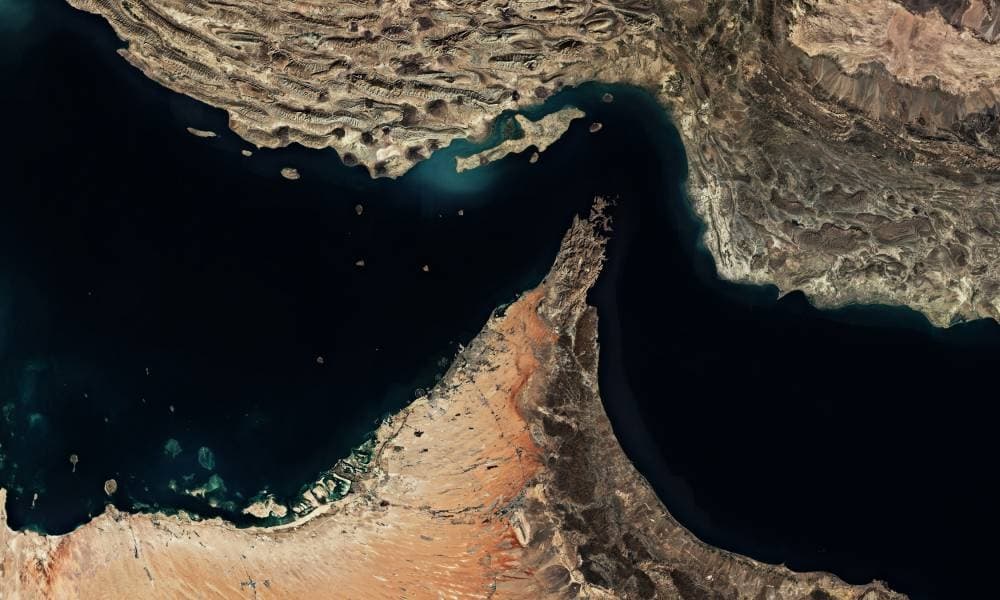
Here's what it means for you.
The recent U.S. decision to impose a 20% fee on shipments through the Strait of Hormuz signals a significant escalation in tensions with Iran. This move could have far-reaching implications for global oil markets, as the strait is a critical passage for energy exports. Stakeholders in the energy sector should prepare for potential disruptions and increased costs associated with shipping through this vital route. As both nations assert their claims over the strait, the situation raises important questions about maritime law and international trade. Companies reliant on oil and gas shipments may need to reassess their logistics and risk management strategies in light of these developments.
What happened
The United States has announced a 20% fee on shipments passing through the Strait of Hormuz, a strategic maritime route. This decision comes amid escalating tensions with Iran, which has threatened to restrict access to the strait for vessels not adhering to its preferred navigation routes. The conflict highlights the competing claims of both nations over this crucial waterway, which is vital for global oil exports.
President Trump made the announcement on July 13, 2026, marking a significant shift in U.S. policy regarding maritime navigation in the region. Iran's response has been to threaten closure of the strait, further complicating the situation. This escalation raises concerns about the potential for military confrontations and significant disruptions in global energy markets.
The Context
The Strait of Hormuz is a critical maritime route for the passage of a significant portion of the world's oil and gas. Iran claims sovereignty over the strait, while the U.S. insists it remains an international waterway, leading to a complex legal and geopolitical landscape. Both nations are leveraging military and legal arguments to assert control over maritime navigation, creating an environment ripe for conflict.
The ongoing tensions are exacerbated by the fact that neither the U.S. nor Iran has ratified the United Nations Convention on the Law of the Sea, complicating legal claims over the strait. As both countries continue to assert their dominance, the implications for global trade and security are profound. The situation is being closely monitored by international stakeholders, particularly those in the energy sector.
Takeaway
The conflict over the Strait of Hormuz is likely to lead to further military confrontations and disruptions in global oil markets. As tensions escalate, it is crucial to monitor developments in U.S.-Iran negotiations regarding maritime security. The potential for military escalations in the region remains high, with significant implications for international relations and energy prices.
Stakeholders should remain vigilant and prepare for potential shifts in the geopolitical landscape that could affect shipping routes and costs. The situation underscores the importance of understanding the dynamics at play in this vital maritime corridor.
Coverage of political affairs and regional developments from a Saudi perspective.
"Al Watan political coverage typically follows a mainstream Saudi framing of regional and national issues."
— A47 Editor
بين إيران والقوى الدولية.. من يسيطر فعليا على مضيق هرمز؟
A report by the Associated Press highlights the escalating conflict between the United States and Iran over control of the Strait of Hormuz, focusing on legal and military disputes regarding navigation management amid threats and conditions imposed o...
Egyptian politics, economy, and society coverage.
"Al Masry Al Youm is a major Egyptian newspaper with broad national coverage."
— A47 Editor
بين التهديدات الإيرانية والتحركات الأمريكية.. 3 سفن تعبر مضيق هرمز في صباح يوم واحد
The maritime situation in the Strait of Hormuz is becoming increasingly complex amid rising tensions between Iran and the United States. Following Tehran's announcement to close the strait to vessels, U.S. President Donald Trump has responded with mi...
Arabic-language coverage of Saudi, regional, and international affairs.
"Al Bilad offers mainstream Saudi newspaper coverage across domestic and broader Arab topics."
— A47 Editor
ترامب يفرض رسومًا 20% على شحنات مضيق هرمز
On Monday, U.S. President Donald Trump announced a 20% tariff on all shipments passing through the Strait of Hormuz, aimed at covering the costs associated with ensuring the safety and security of navigation in this vital maritime corridor. The execu...
Arabic-language coverage of Saudi, regional, and international affairs.
"Al Bilad offers mainstream Saudi newspaper coverage across domestic and broader Arab topics."
— A47 Editor
الرئيس الأمريكي يُعلن فرض الحصار البحري على إيران
U.S. President Donald Trump announced the immediate implementation of a maritime blockade against Iran, stating that Iranian vessels will be prohibited from passing through the Strait of Hormuz while ensuring fair and open access for other nations.
Arabic-language coverage of political affairs and current events.
"Okaz political coverage typically follows mainstream Saudi framing on national and regional affairs."
— A47 Editor
الخلافات تتفاقم.. إيران تطيح بـ«مذكرة التفاهم» مع واشنطن
The Iranian Foreign Ministry announced that Tehran will not adhere to the memorandum of understanding with the United States if Washington fails to meet its obligations, highlighting the growing rift over navigation arrangements in the Strait of Horm...