
US and Iran Near Agreement on Ceasefire and Nuclear Negotiations
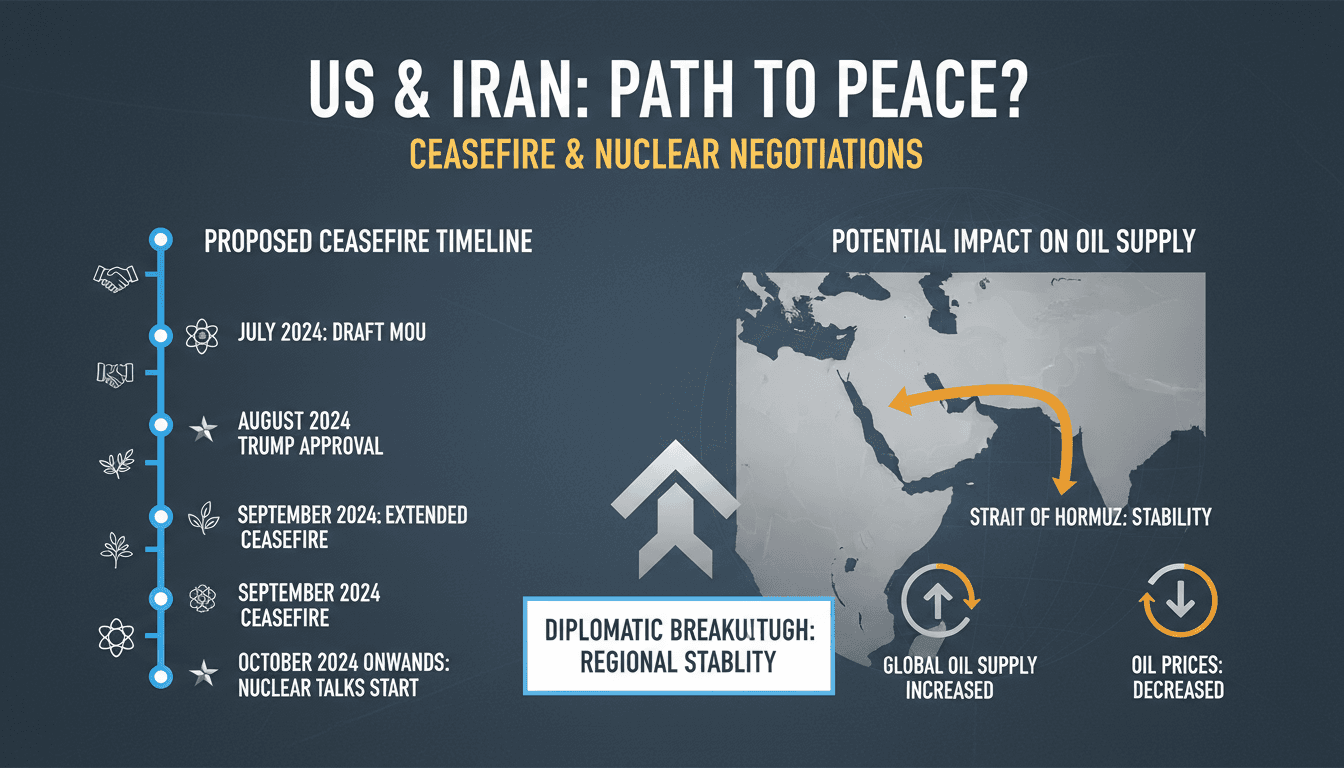
Here's what it means for you.
The outcome of these negotiations could reshape global oil markets and impact your business operations.
What happened
On May 29, 2026, US Vice President JD Vance announced significant progress in US-Iran negotiations, aiming to finalize a memorandum of understanding for a 60-day ceasefire extension and discussions on Iran's nuclear program.
The Context
- Geopolitical tensions: Ongoing issues in the Middle East, particularly regarding Iran's nuclear ambitions, have complicated US-Iran relations.
- Strait of Hormuz: This critical maritime route is vital for global oil supplies, making its reopening a key focus of the negotiations.
- Previous challenges: Past diplomatic efforts have faced hurdles, including sanctions and military confrontations, affecting trust between the two nations.
The Number
— This proposed extension of the ceasefire could stabilize the region and influence oil prices, directly impacting your supply chain and operational costs.
Takeaway
If a deal is reached, expect a potential shift in diplomatic relations and market dynamics in the Middle East.
Comprehensive coverage of Middle Eastern and global issues.
"Al Jazeera is a prominent voice from the Global South, especially the Middle East, with an emphasis on underreported stories."
— A47 Editor
Vance says US, Iran have made “a lot of progress” towards deal
U.S. Vice President JD Vance announced that significant progress has been made in negotiations between the United States and Iran towards a potential ceasefire agreement. This development comes amid ongoing tensions and military actions in the region...
Global news coverage with extensive reporting on Middle Eastern conflicts and geopolitics.
"Al Jazeera is a Qatar-based broadcaster known for wide regional coverage and alternative perspectives."
— A47 Editor
Vance says US, Iran have made “a lot of progress” towards deal
U.S. Vice President JD Vance announced that significant progress has been made in negotiations between the United States and Iran towards a potential ceasefire agreement. This development comes amid ongoing tensions and military actions in the region...
English-language news from Qatar covering domestic and regional affairs.
"Gulf Times reflects Qatari perspectives on regional developments."
— A47 Editor
Washington and Tehran are close to reaching an agreement - US Vice President
US Vice President JD Vance announced that Washington and Tehran are nearing an agreement, although no formal deal has been finalized yet. This statement reflects ongoing negotiations aimed at resolving tensions between the two nations.
Regional coverage and analysis focused on politics, diplomacy, and business across the Middle East.
"Al-Monitor is known for analytical reporting on Middle East politics and policy developments."
— A47 Editor
Vance says progress made as US-Iran deal awaits Trump green light
US Vice President JD Vance announced that the United States and Iran are nearing a tentative agreement to extend their ceasefire in the ongoing Middle East conflict, pending President Donald Trump's approval. This development comes amidst ongoing ten...
Global business headlines with AI angles.
"General business outlet that frequently covers AI."
— A47 Editor
JD Vance Says U.S. And Iran Are 'Very Close' To a Deal: 'We've Made a Lot Of Progress Here'
Vice President JD Vance announced that the U.S. and Iran are nearing an agreement on a memorandum of understanding, which aims to extend the ceasefire and initiate discussions regarding Tehran's nuclear program. This statement reflects significant di...
International coverage of politics, culture, and current affairs.
"BBC News is widely regarded as a reputable international news organization, known for its impartial tone and public service mandate."
— A47 Editor
US and Iran 'very close' to deal but 'not there yet', Vance says
U.S. officials have indicated that the United States and Iran are nearing a tentative agreement to extend a ceasefire, pending approval from President Trump and Iranian leadership. This development follows ongoing negotiations aimed at resolving long...
Capitol Hill news, legislation, and policy insight.
"The Hill specializes in U.S. politics and policy, with a focus on Capitol Hill developments and a reputation for insider reporting."
— A47 Editor
Vance says US, Iran still 'going back and forth' on 'nuclear stuff'
Vice President Vance announced that the U.S. is nearing a tentative agreement with Iran regarding its nuclear program, with a few unresolved issues remaining. The proposed deal aims to extend a fragile ceasefire for 60 days, reopen the strategically ...
Jordanian news and regional updates.
"Roya News is a Jordanian outlet focused on breaking news and local affairs."
— A47 Editor
فانس: أحرزنا تقدماً كبيراً بمفاوضات إيران والاتفاق النهائي سيعيد فتح مضيق هرمز
Recent negotiations with Iran have seen significant progress, according to Vance, who indicated that a final agreement could lead to the reopening of the Strait of Hormuz. This development suggests a potential easing of tensions in the region, which ...
Arabic-language coverage of political affairs and current events.
"Okaz political coverage typically follows mainstream Saudi framing on national and regional affairs."
— A47 Editor
فانس: لم نوقّع اتفاقاً مع إيران.. لكننا «قريبون جداً»
U.S. Deputy Secretary of State J.D. Vance confirmed that Washington has not yet reached a final agreement with Iran, but both sides are reportedly very close to a potential understanding that could alter the current tensions in the region. This state...