
Trump Announces Ceasefire Agreement Between Israel and Hezbollah
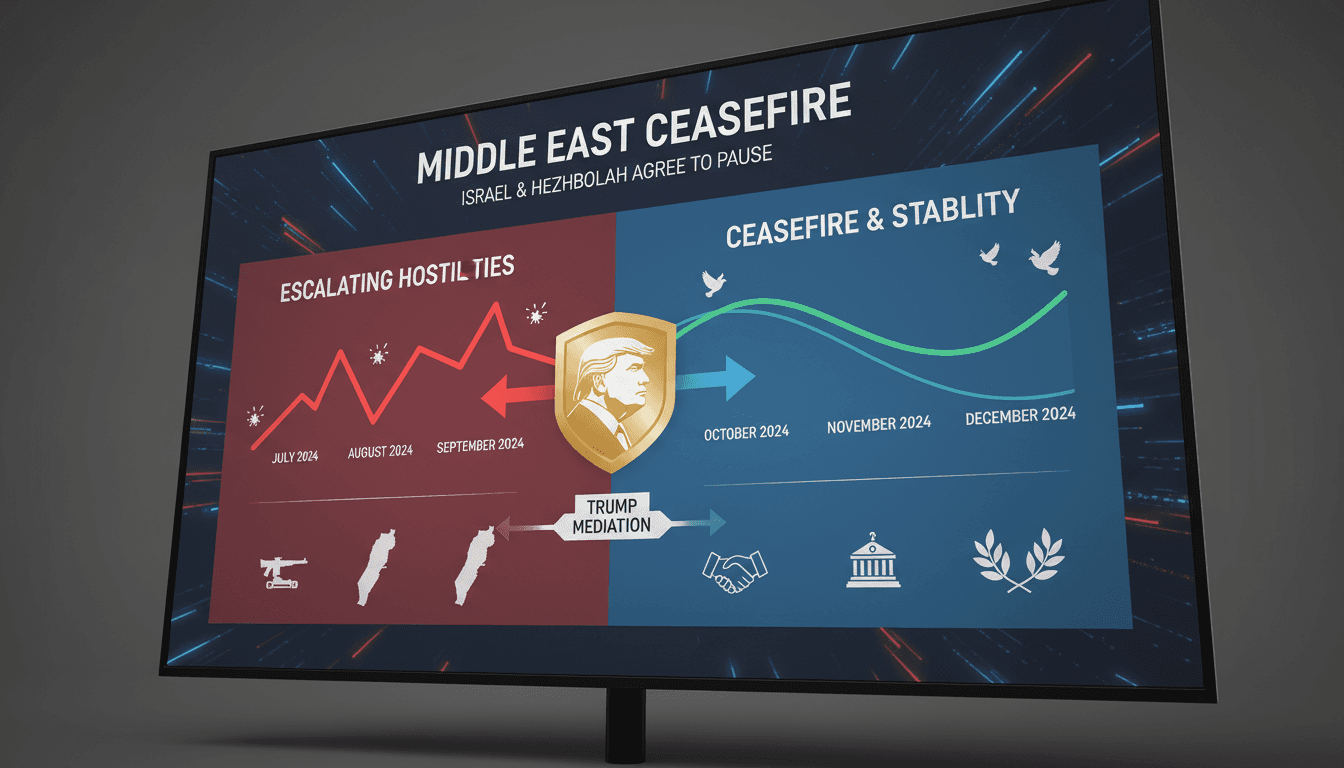
Here's what it means for you.
The ceasefire agreement between Israel and Hezbollah, announced by President Trump, represents a critical step toward reducing tensions in the Middle East. This diplomatic achievement could foster a more stable environment in Lebanon, which has been plagued by conflict. The U.S. mediation role underscores its ongoing influence in regional affairs, potentially paving the way for future negotiations involving other stakeholders.
What happened
On June 1, 2026, President Donald Trump confirmed that Hezbollah had agreed to a comprehensive ceasefire with Israel. This agreement stipulates that both parties will refrain from attacking each other, aiming to stabilize the situation in Lebanon. The announcement marks a significant diplomatic achievement, especially following a series of escalations between the two entities.
The ceasefire is seen as a success of U.S. mediation efforts, highlighting the importance of American involvement in Middle Eastern diplomacy. By facilitating dialogue, the U.S. aims to reduce hostilities and promote peace in a region long affected by conflict.
The Context
The ceasefire agreement comes amid escalating hostilities in Lebanon, where tensions between Israel and Hezbollah have been mounting. The U.S. played a crucial mediating role in facilitating this agreement, reflecting its strategic interests in maintaining stability in the region. The singular nature of this agreement is significant, as it represents a potential turning point for peace in the area.
The timing of this announcement is critical, as it follows a period of increased violence and unrest. Both Hezbollah and Israeli officials will likely be closely monitored for their reactions to this development, which could influence future diplomatic efforts.
Takeaway
The successful implementation of this ceasefire could lead to a more stable environment in Lebanon and encourage further diplomatic initiatives in the Middle East. Observers should watch for reactions from both Hezbollah and Israeli officials regarding the ceasefire, as these responses may shape the future of regional diplomacy. Additionally, potential follow-up negotiations involving other stakeholders could emerge as a result of this agreement.
Jordanian news and regional updates.
"Roya News is a Jordanian outlet focused on breaking news and local affairs."
— A47 Editor
ترمب يعلن نجاح الوساطة الأمريكية: تل أبيب تلغي هجوم بيروت.. وحزب الله يوافق على وقف شامل لإطلاق النار
President Donald Trump announced that the U.S. administration has successfully mediated a situation leading to Tel Aviv canceling its planned attack on Beirut, while Hezbollah has agreed to a comprehensive ceasefire. This development marks a signific...
Arabic-language political and world news coverage for UAE readers.
"Emarat Al Youm world coverage usually presents international developments through a UAE and Arab audience lens."
— A47 Editor
ترامب يعلن التوصل لاتفاق لوقف إطلاق النار في لبنان ترامب يعلن التوصل لاتفاق لوقف إطلاق النار في لبنان
U.S. President Donald Trump announced the achievement of a ceasefire agreement in Lebanon, highlighting the involvement of Hezbollah in the discussions. This development marks a significant diplomatic effort aimed at reducing tensions in the region.
Arabic-language coverage of international news and geopolitics.
"RT Arabic is a Russian state-funded outlet often criticized for promoting Kremlin-aligned narratives."
— A47 Editor
ترامب: حزب الله وافق على وقف كافة عمليات إطلاق النار بحيث لا تهاجمهم إسرائيل ولا يهاجمونها
U.S. President Donald Trump announced that he had a very positive conversation with Hezbollah, revealing that the group agreed to cease all firing operations, effectively halting mutual attacks between the two parties.