
Japan enhances counterespionage measures amid rising Russian intelligence activities
Here's what it means for you.
Japan's decision to tighten its counterespionage measures signals a significant shift in its approach to national security. This move is particularly relevant for businesses and individuals operating in Japan, as it may lead to increased scrutiny and regulation of foreign activities. The evolving landscape could also impact international relations, especially with nations concerned about espionage and security. As Japan strengthens its intelligence capabilities, it may reshape its role in global security dynamics, potentially leading to enhanced cooperation with allies. Stakeholders should remain vigilant as these changes unfold, as they could influence market conditions and policy frameworks.
What happened
Japan is tightening its counterespionage measures in response to reports of Russian intelligence activities within its borders. The Japanese government has recognized the vulnerabilities in its espionage laws, which have historically been lenient and allowed foreign spies to operate with relative ease. Recent investigations have revealed that Russian operatives are using Japan to procure technology for military purposes.
Under the leadership of Sanae Takaichi, the government is undergoing a significant reevaluation of its security policies. This initiative comes amid growing concerns about the implications of foreign espionage on national security and technological integrity.
The Context
Japan's postwar intelligence laws have made it an attractive location for foreign spies for over 80 years. The recent surge in Russian espionage activities, particularly in light of the ongoing war in Ukraine, has prompted the government to take action. The identification of Japan as a significant base for Russian espionage highlights the need for a more robust counterintelligence framework.
The Japanese government's proactive stance reflects a broader shift in its security strategy amidst increasing geopolitical tensions. As Japan reassesses its security policies, the implications for international relations and domestic security are profound.
Takeaway
As Japan strengthens its intelligence capabilities, it may reshape its role in global security dynamics. Potential changes in espionage laws and security policies are on the horizon, which could lead to increased international cooperation on counterintelligence efforts. Stakeholders should monitor these developments closely, as they may influence Japan's international relations and security posture in the coming years.
The evolving security landscape suggests a move towards more robust intelligence operations, which could have lasting effects on Japan's interactions with foreign entities and its overall security framework.
Top international stories selected by The Guardian editors.
"The Guardian is known for its progressive editorial stance and in-depth analysis."
— A47 Editor
‘Den of spies’: why has Japan been easy prey for Russian espionage, and what is Tokyo doing about it?
Japan is increasingly recognized as a target for Russian espionage, particularly following reports that label it a 'den of spies' for Moscow, which has been exploiting the country's lenient intelligence laws. The government, led by Sanae Takaichi, is...
Pan-Arab news coverage spanning politics, business, sports, and regional affairs.
"Asharq Al-Awsat reflects a broad Arab editorial perspective with strong attention to regional geopolitics."
— A47 Editor
اليابان تشدد إجراءاتها لمواجهة التجسس بعد اتهامات بتحولها إلى منصة روسية لجمع المعلومات
Japan has intensified its counter-espionage measures following allegations that Russia has exploited the country's weak laws to turn it into a hub for information gathering and securing components used in weapon manufacturing. This development comes ...
Pan-Arab news coverage spanning politics, business, sports, and regional affairs.
"Asharq Al-Awsat reflects a broad Arab editorial perspective with strong attention to regional geopolitics."
— A47 Editor
تقرير: كيف حوّل بوتين اليابان إلى وكر للجواسيس
A recent investigation reveals that Russia has been utilizing Japan as a hub for smuggling military technologies, taking advantage of the country's weak espionage laws and secret export networks. This development highlights the growing concerns over ...
Markets, economy, and company analysis from NYT’s business desk.
"The New York Times is a globally recognized newspaper offering authoritative reporting with a center-left editorial stance."
— A47 Editor
How Putin Turned Japan Into a Den of Spies
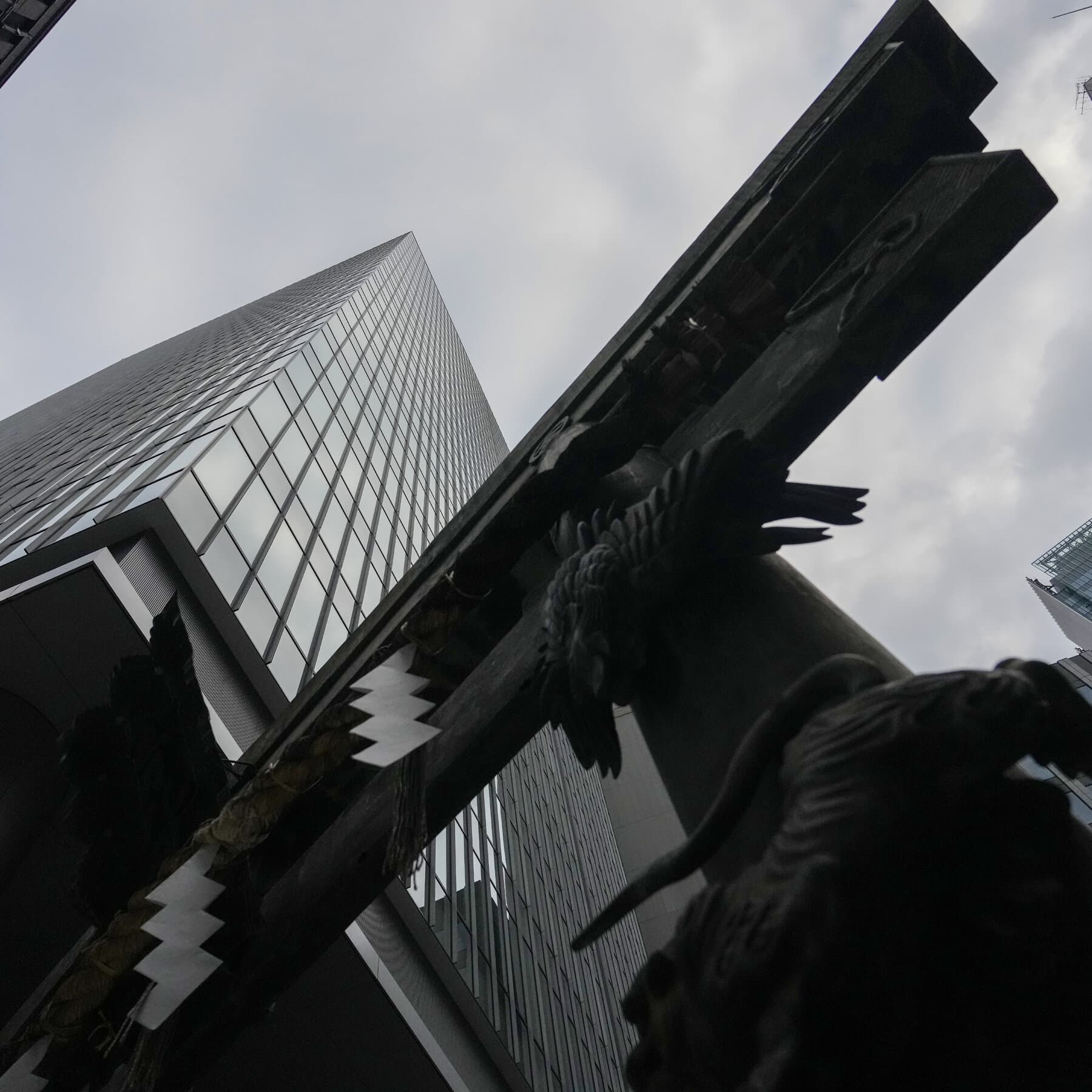
A military intelligence unit operating from a high-rise in Tokyo has been utilizing Japan's advanced technology and lax espionage laws to support Russia's war efforts. The Aeroflot office located in the Toranomon Kotohira Tower has become a significa...