
U.S. Supreme Court Upholds Birthright Citizenship Against Trump's Executive Order
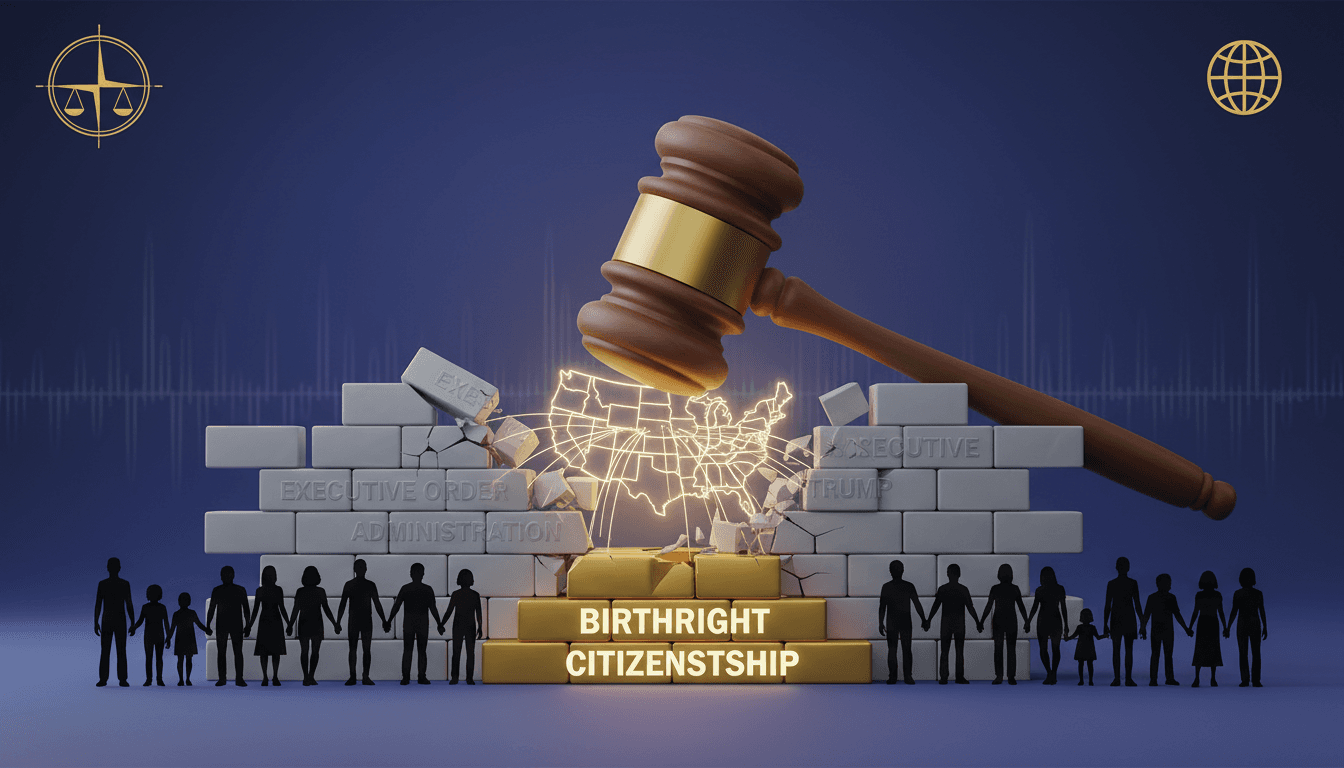
Here's what it means for you.
The U.S. Supreme Court's ruling reinforces the constitutional principle of birthright citizenship, ensuring that children born on U.S. soil are granted citizenship regardless of their parents' immigration status. This decision is pivotal in shaping future immigration policies and may influence ongoing debates surrounding citizenship rights in America. As the Trump administration seeks alternative methods to address its immigration agenda, this ruling could lead to further legal challenges and policy discussions.
What happened
On June 30, 2026, the U.S. Supreme Court ruled against President Trump's executive order aimed at limiting birthright citizenship for children born in the U.S. to non-citizen parents. The court's decision affirms the 14th Amendment's guarantee of citizenship to anyone born on U.S. soil, reinforcing a long-standing interpretation of this constitutional provision. Trump's administration had sought to restrict this right through executive action, but the ruling marks a significant legal setback for those efforts.
Following the decision, reports indicated that Trump aides are considering new strategies to limit birthright citizenship. This ruling is expected to have a lasting impact on the ongoing discussions about immigration reform in the United States.
The Context
The Supreme Court's decision comes amid ongoing debates about immigration and citizenship in the U.S., a topic that has been contentious in American politics. The 14th Amendment, which establishes the principle of birthright citizenship, has been a cornerstone of citizenship policy since its ratification. Stakeholders, including immigrant advocacy groups and political opponents, are closely monitoring the implications of this ruling.
The timing of the decision is critical, as it arrives during a period of heightened scrutiny regarding immigration policies under the Trump administration. The ruling not only reinforces existing legal frameworks but also sets the stage for potential future challenges as the administration seeks to navigate its immigration agenda.
Takeaway
The Supreme Court's ruling is likely to influence ongoing discussions about immigration reform and could lead to further legal challenges as the Trump administration explores alternative measures. Observers should watch for potential new policies from the administration regarding immigration, as well as reactions from immigrant advocacy groups and political opponents. The ruling serves as a reminder of the complexities surrounding citizenship rights and the legal interpretations that shape them.
As the landscape of immigration policy continues to evolve, the implications of this decision will resonate in future legislative and judicial actions.
Arabic-language coverage of international news and geopolitics.
"RT Arabic is a Russian state-funded outlet often criticized for promoting Kremlin-aligned narratives."
— A47 Editor
ما خطة ترامب البديلة لمنع "حق المواطنة بالولادة" بعد خسارته القضية أمام العليا الأمريكية؟
After losing the case regarding birthright citizenship before the Supreme Court, President Trump's aides and supporters have quickly adopted a new plan aimed at preventing pregnant foreign women from entering the United States. This shift comes in re...
Pan-Arab news coverage spanning politics, business, sports, and regional affairs.
"Asharq Al-Awsat reflects a broad Arab editorial perspective with strong attention to regional geopolitics."
— A47 Editor
المحكمة الأميركية العليا تؤيد حق المواطنة بالولادة رافضة قيود ترمب
The U.S. Supreme Court upheld the right to citizenship by birth, rejecting an executive order from President Trump that denied citizenship to children born in the United States to non-American parents. This ruling reinforces the principle of birthrig...
Arabic-language political and world news coverage for UAE readers.
"Emarat Al Youm world coverage usually presents international developments through a UAE and Arab audience lens."
— A47 Editor
المحكمة العليا الأميركية تُؤيد حق المواطنة بالولادة رافضةً قيود ترامب المحكمة العليا الأميركية تُؤيد حق المواطنة بالولادة رافضةً قيود ترامب
The U.S. Supreme Court rejected President Donald Trump's attempt to limit birthright citizenship on Tuesday, affirming the right of individuals born in the United States to automatically receive citizenship. This decision reinforces the longstanding ...