
Iran Denies IAEA Access to Bombed Nuclear Sites Amid Rising Tensions
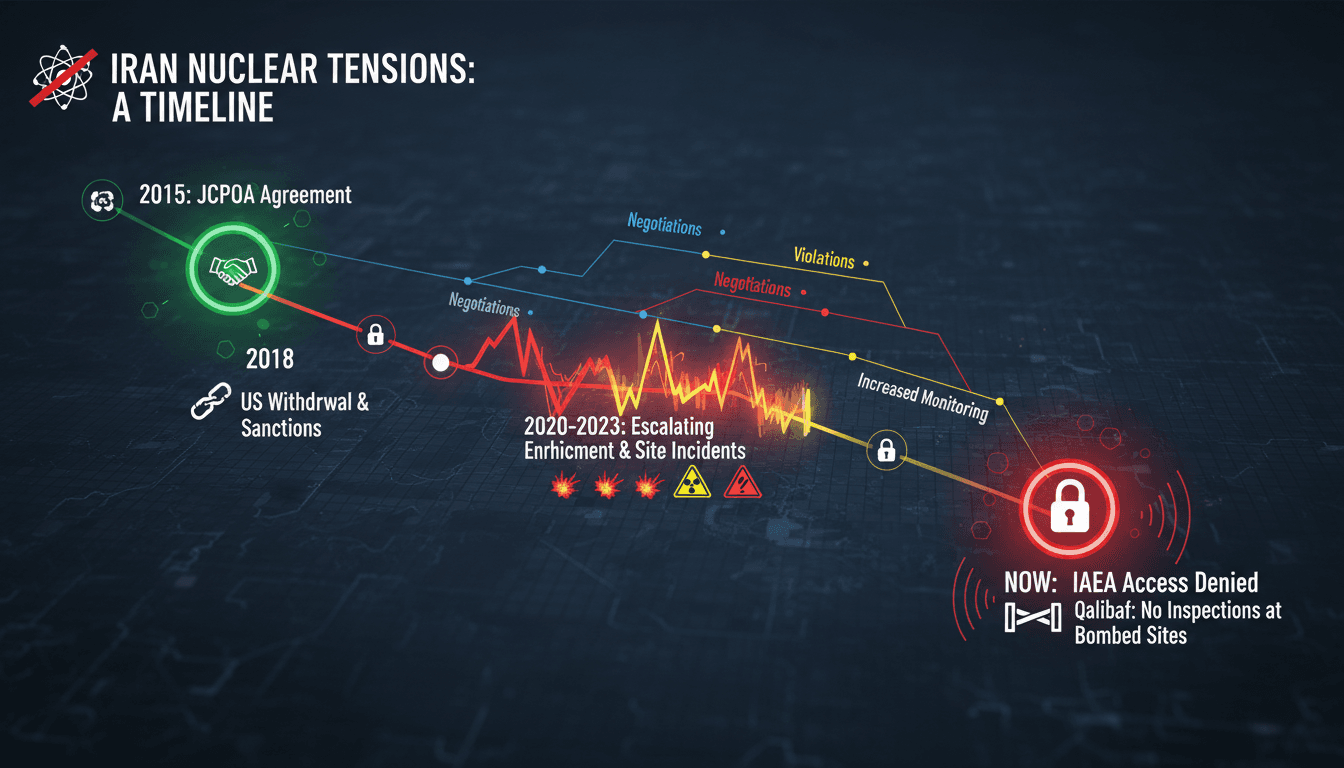
Here's what it means for you.
Iran's refusal to allow International Atomic Energy Agency (IAEA) inspectors access to bombed nuclear sites signals a significant escalation in tensions with Western nations. This development could have far-reaching implications for international diplomatic relations and nuclear oversight. Stakeholders in global security and energy markets should closely monitor Iran's actions, as they may influence future negotiations and sanctions. The situation underscores Iran's commitment to maintaining control over its nuclear narrative, which may further complicate diplomatic efforts. As the international community reacts, the potential for increased isolation or stronger responses from Western powers looms large.
What happened
Iranian Parliament Speaker Mohammad Baqer Qalibaf has publicly denied reports that IAEA inspectors were granted access to sites affected by recent bombings. He emphasized that such claims are false and called on political forces and the Iranian public to remain vigilant. This denial comes amid heightened tensions between Iran and Western nations regarding nuclear inspections.
Qalibaf's statements reflect Iran's ongoing resistance to external oversight of its nuclear facilities. This incident follows a recent memorandum of understanding between Washington and Tehran, marking the 14th day since the signing of this significant agreement. The Iranian government appears determined to assert its sovereignty over its nuclear program.
The Context
The backdrop of this denial is a complex landscape of diplomatic relations between Iran and Western nations, particularly concerning nuclear inspections. The recent agreement between the U.S. and Iran has heightened scrutiny of Iran's nuclear activities, leading to increased tensions. Qalibaf's remarks indicate a firm stance against international oversight, which may further strain these diplomatic ties.
As the situation evolves, the implications for international security and nuclear non-proliferation efforts are significant. Iran's refusal to allow IAEA access could lead to a reevaluation of its relationships with key global players. The ongoing resistance to external scrutiny highlights the challenges faced by the international community in addressing Iran's nuclear ambitions.
Takeaway
The situation underscores Iran's firm stance against international scrutiny of its nuclear program. As tensions continue to rise, potential reactions from the IAEA regarding Iran's refusal of access will be crucial to watch. Future diplomatic engagements between Iran and Western powers may also be impacted by this denial.
The international community must remain vigilant as Iran navigates its nuclear strategy amidst growing isolation. The outcomes of these developments could shape the future of nuclear diplomacy in the region and beyond.
Arabic-language coverage of international news and geopolitics.
"RT Arabic is a Russian state-funded outlet often criticized for promoting Kremlin-aligned narratives."
— A47 Editor
رئيس البرلمان الإيراني ينفي منح مفتشي الوكالة الذرية حق الوصول إلى المواقع المتضررة من القصف (فيديو)
Iranian Parliament Speaker Mohammad Baqer Qalibaf denied that inspectors from the International Atomic Energy Agency (IAEA) were granted access to sites that had been bombed, asserting that the circulated information is incorrect.
Jordanian news and regional updates.
"Roya News is a Jordanian outlet focused on breaking news and local affairs."
— A47 Editor
قاليباف: لا صحة لما أشيع عن سماحنا لوكالة الطاقة الذرية بتفتيش منشآتنا
Mohammad Baqer Qalibaf, the Speaker of the Iranian Parliament, has denied rumors regarding the permission granted to the International Atomic Energy Agency (IAEA) to inspect Iran's facilities. He called on political forces and the Iranian people to r...
Jordanian news and regional updates.
"Roya News is a Jordanian outlet focused on breaking news and local affairs."
— A47 Editor
التطورات الميدانية والسياسية في اليوم الرابع عشر من توقيع مذكرة التفاهم بين واشنطن وطهران
On the fourteenth day following the signing of the memorandum of understanding between Washington and Tehran, Iranian Parliament Speaker Mohammad Baqer Qalibaf reiterated Tehran's rejection of foreign intervention in its affairs. This statement under...