
Iranian Drone Attack on UAE Oil Facility Triggers 6% Surge in Oil Prices
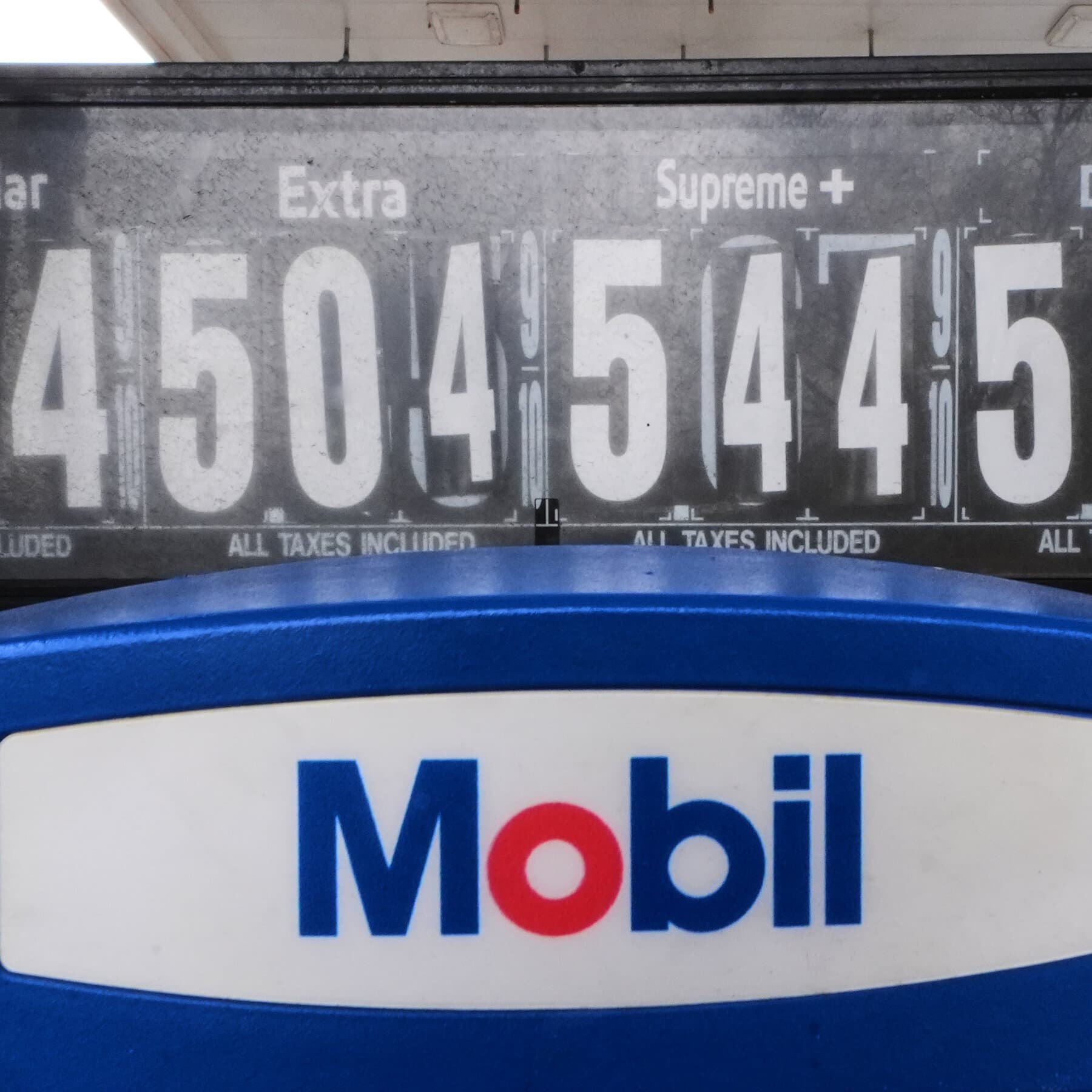
Here's what it means for you.
If you rely on oil or gas, expect rising prices and potential supply disruptions.
Why it matters
The Strait of Hormuz is a critical chokepoint for global oil supply, and escalations here can significantly impact energy markets worldwide.
What happened (in 30 seconds)
- Drone attack: On May 3, 2026, Iran launched a drone strike on the UAE's Fujairah Oil Industry Zone, igniting a major fire.
- U.S. military response: Concurrently, U.S. forces destroyed Iranian speedboats threatening commercial vessels in the Strait of Hormuz.
- Market reaction: Brent crude oil prices surged 6% to $114.44 per barrel, reflecting fears of supply disruptions.
The context you actually need
- Ceasefire breakdown: The incidents followed a fragile ceasefire established on April 7, 2026, amid ongoing U.S.-Iran tensions.
- Oil supply vulnerability: The Strait of Hormuz handles 20% of global oil, making it a focal point for geopolitical conflicts affecting energy prices.
- Escalating military presence: President Trump's 'Project Freedom' initiative aimed to secure shipping routes, but the recent violence underscores the volatility in the region.
What's really happening
The recent escalation in the Strait of Hormuz is a culmination of heightened tensions between the U.S. and Iran, which have been brewing since late February 2026. Following U.S.-Israeli strikes, Iran retaliated by threatening shipping traffic through the Strait, a vital artery for global oil transport. This led to a significant reduction in daily transits—from 129 to just 20—due to Iranian threats and military actions against vessels.
In response, the U.S. implemented naval blockades and targeted Iranian infrastructure, which has driven oil prices up over 50% since the conflict began. The situation reached a critical point with the announcement of 'Project Freedom' by President Trump on May 2, 2026, which aimed to deploy U.S. Central Command assets to escort commercial vessels through the strait. This initiative was intended to reassure international shipping interests and stabilize oil markets.
However, the drone attack on the Fujairah Oil Industry Zone, attributed to Iran, marked a significant escalation. The facility is the UAE's largest oil storage hub, and the fire caused by the drone strike raised immediate concerns about supply disruptions. The U.S. military's destruction of Iranian speedboats further escalated tensions, with Iran denying the loss of its vessels.
The market's immediate reaction was a sharp increase in oil prices, reflecting fears of a prolonged conflict and potential supply shortages. Brent crude prices surged to $114.44 per barrel, while West Texas Intermediate rose to $106.42. This volatility is compounded by the ongoing war's impact on fuel prices, which have already risen by 50% in the UAE since the conflict's onset.
As firefighting efforts continue at the Fujairah facility, the broader implications for global oil markets are significant. The situation not only threatens regional stability but also poses risks to global energy security, particularly for countries heavily reliant on oil imports.
Who feels it first (and how)
- Oil consumers: Higher gasoline prices will impact everyday consumers, particularly in regions dependent on oil imports.
- Shipping companies: Increased insurance costs and potential delays in transit will affect logistics and shipping operations.
- Investors: Volatility in oil prices can lead to fluctuations in stock markets, impacting investment portfolios.
What to watch next
- Oil price trends: Monitor Brent and WTI prices for signs of sustained volatility or stabilization, which will indicate market confidence in supply security.
- Military developments: Watch for further U.S. military actions in the region, as escalations could lead to broader conflicts affecting global shipping routes.
- Diplomatic negotiations: Keep an eye on diplomatic efforts to restore the ceasefire, as successful negotiations could ease tensions and stabilize oil markets.
- Oil prices are currently elevated due to supply fears.
- Continued military presence and potential further escalations in the region.
- The long-term impact on global oil supply and prices if tensions persist.
This article was generated by AI from 6 verified sources and reviewed by A47 editorial systems.
Frequently Asked Questions
- Why it matters?
- The Strait of Hormuz is a critical chokepoint for global oil supply, and escalations here can significantly impact energy markets worldwide.
- What happened (in 30 seconds)?
- Drone attack: On May 3, 2026, Iran launched a drone strike on the UAE's Fujairah Oil Industry Zone, igniting a major fire. U.S. military response: Concurrently, U.S. forces destroyed Iranian speedboats threatening commercial vessels in the Strait of Hormuz. Market reaction: Brent crude oil prices surged 6% to $114.44 per barrel, reflecting fears of supply disruptions.
- What's really happening?
- The recent escalation in the Strait of Hormuz is a culmination of heightened tensions between the U.S. and Iran, which have been brewing since late February 2026. Following U.S.-Israeli strikes, Iran retaliated by threatening shipping traffic through the Strait, a vital artery for global oil transport. This led to a significant reduction in daily transits—from 129 to just 20—due to Iranian threats and military actions against vessels. In response, the U.S. implemented naval blockades and target
- Who feels it first (and how)?
- Oil consumers: Higher gasoline prices will impact everyday consumers, particularly in regions dependent on oil imports. Shipping companies: Increased insurance costs and potential delays in transit will affect logistics and shipping operations. Investors: Volatility in oil prices can lead to fluctuations in stock markets, impacting investment portfolios.
- What to watch next?
- Oil price trends: Monitor Brent and WTI prices for signs of sustained volatility or stabilization, which will indicate market confidence in supply security. Military developments: Watch for further U.S. military actions in the region, as escalations could lead to broader conflicts affecting global shipping routes. Diplomatic negotiations: Keep an eye on diplomatic efforts to restore the ceasefire, as successful negotiations could ease tensions and stabilize oil markets.
Markets desk coverage, trading insights, and investor updates.
"WSJ’s markets reporting provides in-depth analysis and context for investors."
— A47 Editor
Markets on Edge, With U.S.-Iran Cease-Fire at Risk of Collapse
Tensions in the Strait of Hormuz have escalated, with Iran asserting control following military clashes that threaten the fragile ceasefire with the United States. This situation has led to fluctuations in oil prices, with a recent dip as investors r...
Editor-curated FT homepage stories spanning markets, business, world, and opinion.
"The Financial Times is a globally respected business publication with a centrist/center-left tone and strong markets focus."
— A47 Editor
Iran claims control of strait after clashes test ceasefire
Iran has asserted control over the Strait of Hormuz following renewed military clashes that have tested a fragile ceasefire with the United States. This escalation comes amid ongoing tensions in the region, which have raised concerns about the stabil...
Global markets, investing, and macroeconomics from a premier financial newsroom.
"Bloomberg is respected for in-depth financial reporting and data-driven analysis."
— A47 Editor
Gold Edges Higher as US-Iran Truce Holds After Hormuz Flareup
Gold prices have edged higher as relative calm returns to the Persian Gulf following a recent flareup in hostilities between the US and Iran, which had previously caused a 2% decline in prices on Monday. The truce appears to be holding, allowing for ...
Corporate leadership, finance, technology, and market trends.
"Fortune covers financial trends, leadership, and innovation with a pragmatic editorial approach."
— A47 Editor
‘You could say the ceasefire has ceased’: Iran is back on Wall Street’s radar as oil prices spike 6%
Recent military clashes between the U.S. and Iran have reignited tensions, leading to a 6% spike in oil prices as the fragile ceasefire appears to be unraveling. Iran has claimed control over the Strait of Hormuz, a critical passage for global oil sh...
Markets, economy, and company analysis from NYT’s business desk.
"The New York Times is a globally recognized newspaper offering authoritative reporting with a center-left editorial stance."
— A47 Editor
Oil Jumps as Violence Flares After Trump’s Offer to Help Ships Through Strait
Oil prices have surged as violence escalates following President Trump's offer to assist vessels navigating the Strait of Hormuz amid ongoing tensions with Iran. Investors reacted to the uncertainty surrounding the conflict, leading to fluctuations i...
Global markets, investing, and macroeconomics from a premier financial newsroom.
"Bloomberg is respected for in-depth financial reporting and data-driven analysis."
— A47 Editor
Crude Oil Declines With Dollar on Iran Optimism: Markets Wrap
Crude oil prices have declined alongside the dollar as optimism regarding a potential resumption of shipping through the Strait of Hormuz and progress in US-Iran negotiations has emerged. This shift in sentiment follows a period of heightened tension...