
Foreign container ship runs aground in Strait of Hormuz amid Iran's maritime claims
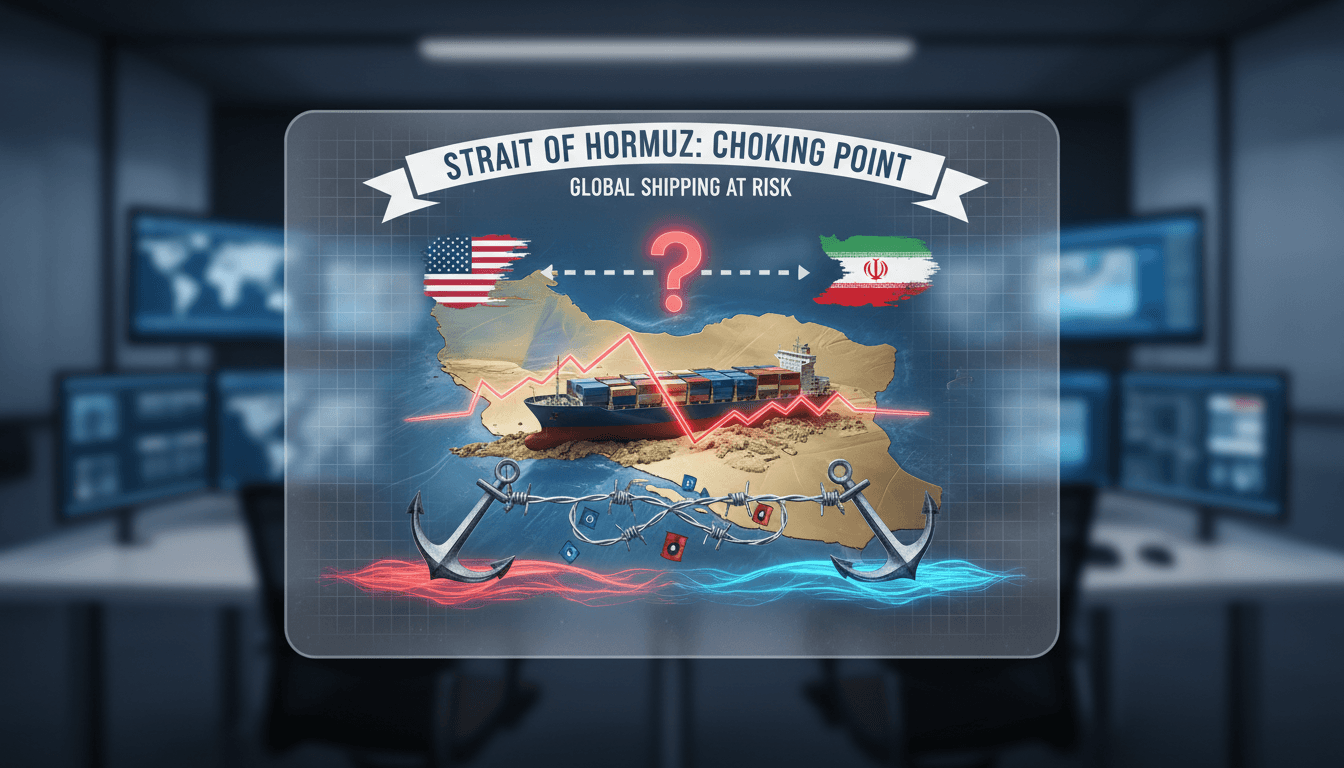
Here's what it means for you.
The grounding of a foreign container ship in the Strait of Hormuz underscores the escalating tensions surrounding maritime navigation in this critical waterway. As Iran continues to assert its claims over navigation routes, international shipping may face increased risks and disruptions. Stakeholders in global trade should remain vigilant as diplomatic negotiations unfold, potentially impacting shipping operations and regional stability.
What happened
A foreign container ship ran aground in the Strait of Hormuz after failing to adhere to Iran's designated navigation routes. The incident occurred on the Omani side of the strait, highlighting the ongoing maritime disputes in the region. Iran's Islamic Revolutionary Guard Corps (IRGC) has issued warnings that vessels not following approved routes could face serious incidents.
This grounding coincides with diplomatic talks between the United States and Iran, which are focused on regional stability and the ongoing Iran war. The situation raises concerns about the implications for international shipping and the enforcement of navigation rights in the strait.
The Context
Iran insists on controlling navigation routes in the Strait of Hormuz, claiming sovereign authority over this vital waterway. The U.S. and Gulf states, however, reject these claims, asserting that the strait is an international waterway essential for global trade. The strategic importance of the Strait of Hormuz is underscored by the presence of 42 vessels currently navigating its waters.
As diplomatic discussions continue, the grounding incident may exacerbate existing tensions between Iran and international stakeholders. The situation remains fluid, with potential ramifications for maritime security and the broader geopolitical landscape.
Takeaway
The grounding of the ship may escalate tensions in the region as Iran continues to assert control over maritime routes. Observers should monitor developments in U.S.-Iran negotiations regarding maritime security, as these discussions could influence future incidents in the strait. Additionally, international shipping companies may respond to this incident by reevaluating navigation strategies through the Strait of Hormuz.
As the situation evolves, the potential for further maritime disputes remains high, which could complicate diplomatic efforts and impact global shipping routes.
Capitol Hill news, legislation, and policy insight.
"The Hill specializes in U.S. politics and policy, with a focus on Capitol Hill developments and a reputation for insider reporting."
— A47 Editor
Ship runs aground in Strait of Hormuz: Report
A foreign container ship ran aground in the Strait of Hormuz early Wednesday, as reported by The Associated Press, citing Iranian state television. The vessel was reportedly navigating a route not approved by Tehran, raising concerns about maritime s...
English-language reporting on Saudi politics, policy, and society.
"Saudi Gazette reflects mainstream Saudi institutional perspectives."
— A47 Editor
Container ship runs aground in Strait of Hormuz as Iran insists on controlling the waterway
A foreign container ship has run aground in the shallow waters of the Strait of Hormuz, specifically on the Omani side, as reported by Iranian state television. Iranian authorities claim the vessel did not adhere to an approved navigation route, whic...
Pan-Arab news coverage spanning politics, business, sports, and regional affairs.
"Asharq Al-Awsat reflects a broad Arab editorial perspective with strong attention to regional geopolitics."
— A47 Editor
طهران: جنوح سفينة في مضيق هرمز
Iranian state television reported that a ship ran aground in the Strait of Hormuz after failing to follow the designated route established by Tehran. This incident highlights the ongoing maritime navigation challenges in this strategically significan...