
BrainCo Launches First Brain-to-Robot Interface at World AI Conference
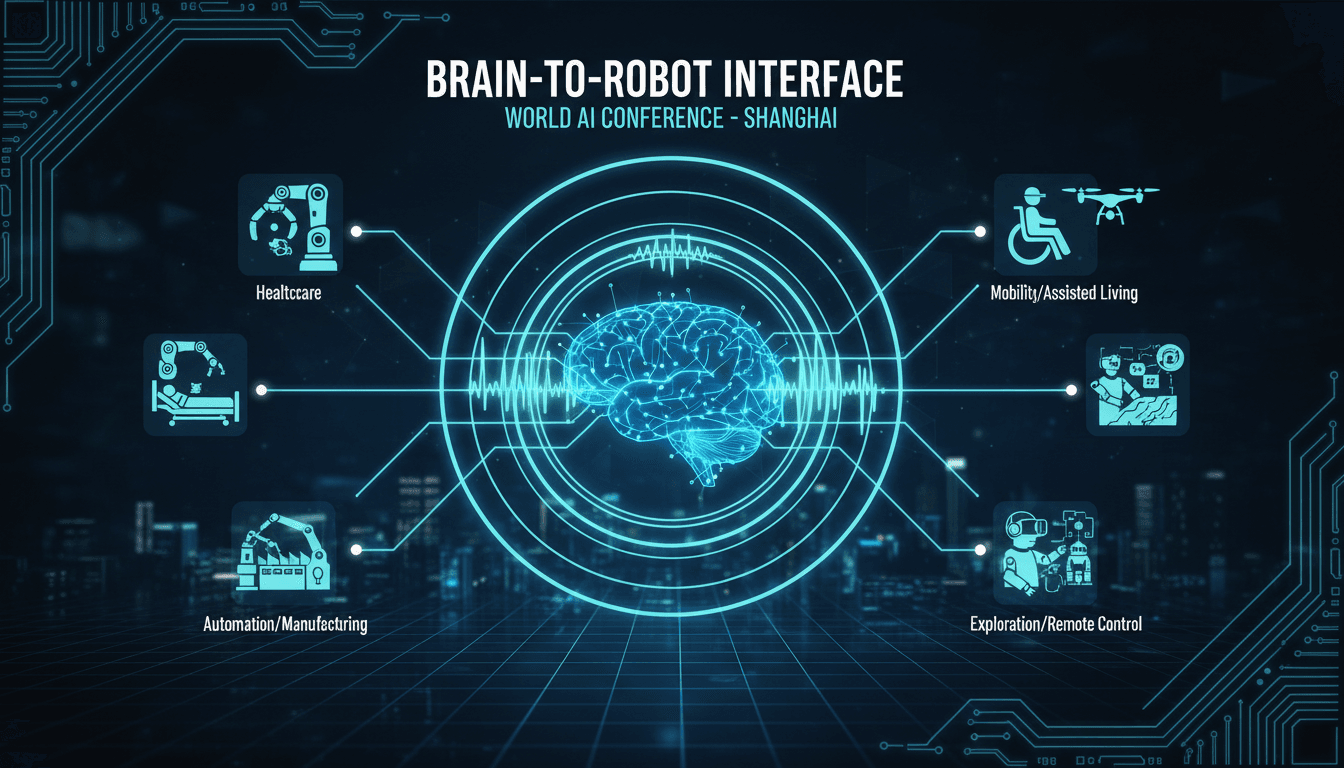
Here's what it means for you.
The introduction of BrainCo's brain-to-robot interface signifies a transformative leap in human-machine interaction. This technology could redefine how industries such as healthcare and automation operate, enabling more intuitive control of robotic systems. As brain-computer interfaces evolve, they may enhance productivity and accessibility, particularly for individuals with mobility challenges.
What happened
At the World AI Conference in Shanghai, BrainCo unveiled the world's first integrated brain-to-robot platform. This innovative system allows users to control robotic movements solely through their thoughts, utilizing an EEG headset. The demonstration featured a robot arm that responded to the user's mental commands, showcasing a significant advancement in brain-computer interface technology.
This groundbreaking platform represents a pivotal moment in the evolution of robotics and artificial intelligence. By eliminating the need for physical or verbal commands, BrainCo's technology opens new avenues for interaction between humans and machines.
The Context
BrainCo, based in Hangzhou, China, is at the forefront of developing brain-computer interfaces. The timing of this launch aligns with growing interest in embodied AI technology, which seeks to create more natural interactions between humans and robots. The implications of this technology extend beyond mere novelty, potentially revolutionizing sectors such as healthcare, where robotic assistance can enhance rehabilitation efforts.
As the demand for automation and intelligent systems increases, BrainCo's innovation could set a new standard for how we engage with technology. The integration of thought-controlled robotics may also attract attention from various stakeholders, including investors and policymakers, eager to explore its applications.
Takeaway
The advancement of brain-computer interfaces heralds a new era in human-robot collaboration. Future developments may focus on expanding the capabilities of this technology, particularly in healthcare and rehabilitation settings. As BrainCo continues to refine its platform, we can expect to see broader adoption and innovative applications that enhance human capabilities.
The potential for this technology to transform industries is immense, and ongoing research will likely yield further breakthroughs in brain-computer interface technology. Observers should keep an eye on how these advancements unfold and their impact on various sectors.
Consumer tech news, reviews, and buying guides for gadgets and electronics.
"TechRadar is known for comprehensive buying advice, hardware reviews, and consumer tech news targeted at mainstream audiences."
— A47 Editor
Chinese company BrainCo unveils first 'brain-to-robot' interface for controlling robots with your thoughts
Chinese company BrainCo has introduced the first 'brain-to-robot' interface, enabling users to control robots using their thoughts without any physical or verbal commands. This innovative technology represents a significant advancement in brain-compu...
Curated tech headlines including AI stories.
"Influential aggregator surfacing the day’s top tech/AI links."
— A47 Editor
China's BrainCo unveils what it says is the world's first integrated "brain-to-robot" platform that lets users control robots using an EEG headset (Minxiao Chang/South China Morning Post)
China's BrainCo has introduced what it claims to be the world's first integrated 'brain-to-robot' platform, allowing users to control robots using an EEG headset. This innovation was unveiled at the World AI Conference in Shanghai, showcasing the pot...
Opinionated AI coverage for general audiences.
"TNW’s AI vertical covering tools, ethics, and trends."
— A47 Editor
China’s BrainCo showed a platform that lets you control robots with your mind
At the World AI Conference in Shanghai, BrainCo showcased its innovative Brain-Controlled Robot AI Platform, allowing users to control robotic arms through thought alone, without any physical interaction. This demonstration captivated attendees and h...