
Armenian PM rejects Russian demand for EU membership referendum
Here's what it means for you.
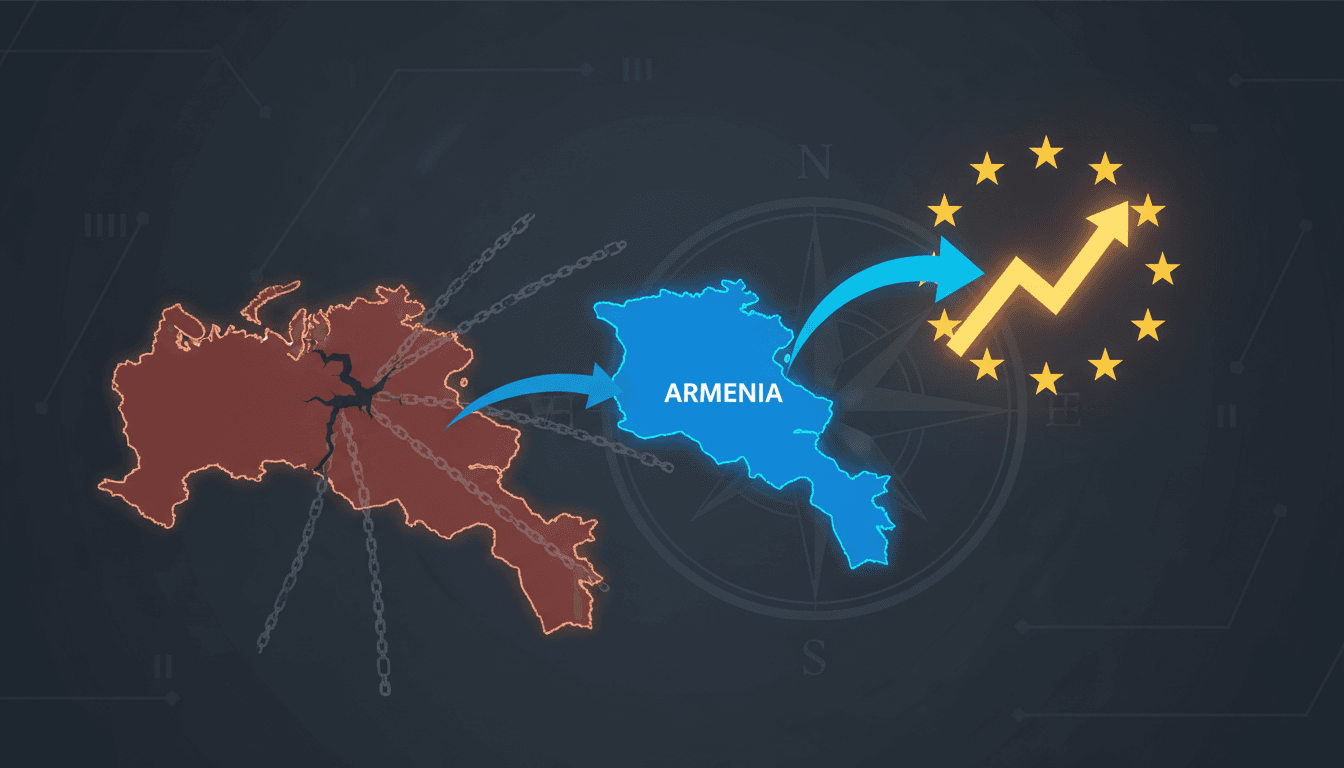
Armenia's rejection of Russia's demand for a referendum on EU membership signals a pivotal shift in its foreign policy. This decision may lead to increased tensions with Moscow, as Armenia seeks to strengthen its ties with Western nations. The implications of this move could reshape regional alliances and influence, particularly in the context of Armenia's relationship with the European Union. As Armenia navigates its foreign relations, the outcome of this rejection will be closely monitored by both Western and Russian stakeholders. The potential for Armenia to align more closely with the EU could alter the geopolitical landscape in the region.
What happened
Armenian Prime Minister Nikol Pashinyan has publicly rejected Russian President Vladimir Putin's call for a referendum regarding Armenia's potential membership in the European Union. This decision underscores the growing tensions between Armenia and its traditional ally, Russia, as Armenia pursues a strategy of diversifying its foreign relations. Pashinyan's stance indicates a clear intent to explore closer ties with the West.
Putin has warned that Armenia cannot reconcile its aspirations for EU membership with its obligations to Russia. Furthermore, Russia has threatened to suspend Armenia from the Eurasian Economic Union if it does not comply with its demands. This rejection marks a significant moment in Armenia's foreign policy trajectory.
The Context
Armenia's decision comes at a time when it is actively seeking to strengthen its ties with Western nations while managing its relationship with Russia. The country is pursuing a strategy of diversification in its foreign relations, aiming to balance its connections with both Russia and the West. The backdrop of this situation includes Russia's increasing pressure on Armenia to conform to its geopolitical expectations.
The Eurasian Economic Union, of which Armenia is a member, has issued threats of suspension should Armenia fail to comply with Russian demands. This creates a complex environment for Armenia, as it navigates the delicate balance between its historical ties to Russia and its aspirations for closer integration with the European Union. The timing of Pashinyan's rejection is crucial, as it may signal a long-term shift in Armenia's foreign policy.
Takeaway
The implications of Armenia's rejection of Russian demands could lead to further deterioration of relations with Moscow. As Armenia continues to assert its independence, the potential for a stronger pivot towards the West becomes increasingly likely. Observers will be keen to watch how the EU responds to Armenia's stance and what this means for future developments in the region.
The evolving dynamics of Armenia's foreign policy will be critical to monitor, particularly in light of the potential shifts in regional stability. The situation may also influence how other countries in the region approach their own foreign policy decisions in relation to Russia and the EU.
Global news coverage with extensive reporting on Middle Eastern conflicts and geopolitics.
"Al Jazeera is a Qatar-based broadcaster known for wide regional coverage and alternative perspectives."
— A47 Editor
Armenian PM rejects Russia’s demand for EU referendum as relations nosedive
Armenian Prime Minister Nikol Pashinyan has rejected Russia's demand for a referendum on joining the European Union, signaling a significant shift in Armenia's foreign policy as it seeks closer ties with the West. This rejection comes amid escalating...
Comprehensive coverage of Middle Eastern and global issues.
"Al Jazeera is a prominent voice from the Global South, especially the Middle East, with an emphasis on underreported stories."
— A47 Editor
Armenian PM rejects Russia’s demand for EU referendum as relations nosedive
Armenian Prime Minister Nikol Pashinyan has rejected Russia's demand for a referendum on EU membership, signaling a significant shift in Armenia's foreign policy as it seeks closer ties with the West amid deteriorating relations with Moscow.
Pan-Arab news coverage spanning politics, business, sports, and regional affairs.
"Asharq Al-Awsat reflects a broad Arab editorial perspective with strong attention to regional geopolitics."
— A47 Editor
أرمينيا ترفض دعوة روسيا لإجراء استفتاء بشأن انضمامها إلى الاتحاد الأوروبي
Armenian Prime Minister Nikol Pashinyan rejected a call from Russian President Vladimir Putin on Monday to hold a referendum regarding Armenia's potential accession to the European Union. This decision underscores Armenia's stance on its foreign poli...
Regional and international reporting focused on Middle Eastern politics, diplomacy, and economics.
"Asharq Al-Awsat is a Saudi-owned international newspaper reflecting mainstream Gulf political perspectives."
— A47 Editor
Armenia PM Rejects Russian Pressure for EU Referendum
Armenian Prime Minister Nikol Pashinyan has firmly rejected Russia's demand for a referendum on joining the European Union, marking a pivotal shift in Armenia's foreign policy as it seeks to strengthen ties with the West amid deteriorating relations ...
24/7 international news from a French perspective in multiple languages.
"France 24 is viewed as a globally focused outlet with balanced coverage and a European perspective."
— A47 Editor
Putin's warning to Armenia: Russia or the European Union
Armenia is facing increasing pressure from Russia as President Nikol Pashinyan pursues a strategy of diversifying ties with both Russia and the European Union. President Vladimir Putin has warned that Armenia must choose between the EU and the Eurasi...