
Pope Leo issues encyclical warning against unregulated artificial intelligence
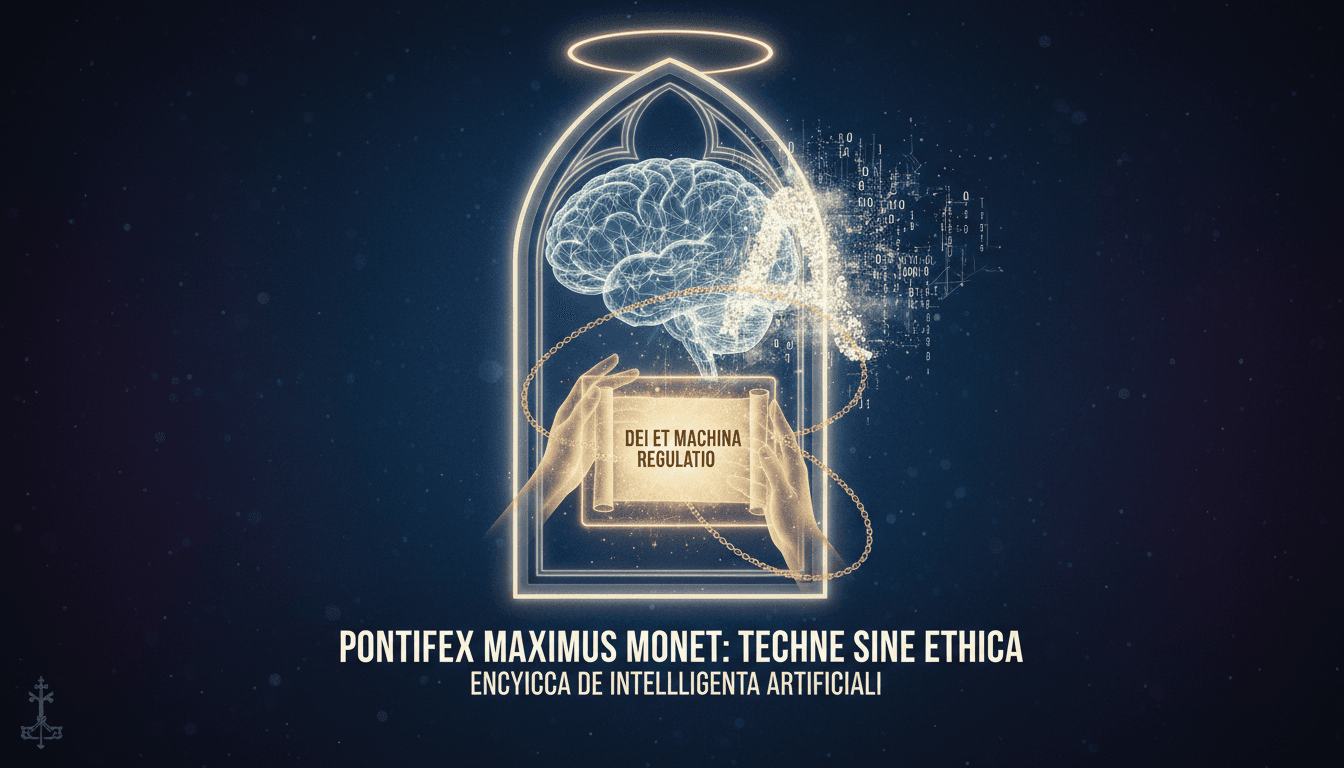
Here's what it means for you.
Pope Leo's encyclical on artificial intelligence marks a pivotal moment in the ongoing discourse surrounding technology and ethics. As public concerns about AI's impact on workers and privacy grow, this statement may catalyze regulatory frameworks that prioritize human dignity. The call for ethical governance reflects a broader recognition of the potential societal implications of unregulated AI. This encyclical could influence policymakers and tech companies alike, prompting a reevaluation of current practices in AI development. Stakeholders must now consider the ethical ramifications of their technologies in light of the Pope's warnings.
What happened
Pope Leo released a significant encyclical addressing the risks associated with artificial intelligence on May 30, 2026. This document serves as his first major text since becoming pope, emphasizing the urgent need for ethical regulations in the face of advancing technology. He described AI as one of the greatest threats to humanity, warning of potential "new forms of slavery" emerging from the digital economy.
The encyclical has sparked widespread discussions among the public, particularly in the United States, where concerns about AI's implications for workers and privacy are intensifying. Pope Leo's message resonates with many who fear the unchecked development of AI and its potential to exploit vulnerable populations.
The Context
Pope Leo's encyclical reflects a growing unease about the impact of artificial intelligence on society. As AI technologies evolve, the ethical considerations surrounding their use become increasingly critical. The Pope's warning serves as a call to action for stakeholders, including policymakers, tech companies, and the public, to engage in meaningful dialogue about the future of AI.
This encyclical arrives at a time when discussions about AI governance are gaining momentum. The Pope's authoritative voice adds weight to the conversation, potentially influencing future policies and ethical standards in technology. His concerns echo broader societal fears about privacy, job displacement, and the preservation of human dignity in an increasingly digital world.
Takeaway
The encyclical's emphasis on ethical governance suggests a significant shift in how society may approach AI development moving forward. As discussions around regulatory frameworks intensify, stakeholders will need to consider the implications of the Pope's recommendations. The encyclical may serve as a catalyst for change, prompting tech companies to reassess their practices and prioritize ethical considerations.
In the coming months, responses from AI companies to the encyclical's recommendations will be crucial to watch. The potential for new policies and ethical standards in technology could reshape the landscape of AI development and its societal implications.
Corporate leadership, finance, technology, and market trends.
"Fortune covers financial trends, leadership, and innovation with a pragmatic editorial approach."
— A47 Editor
Two popes, two industrial revolutions — and one warning for Big AI
The article discusses the perspectives of Popes Leo XIII and Leo XIV regarding worker empowerment and the regulation of technology, emphasizing their calls for shared ownership and tighter controls over new advancements, particularly in the context o...
News and features on AI from The Guardian.
"Progressive-leaning international outlet with critical AI coverage."
— A47 Editor
Americans echo Pope Leo’s concerns about AI: ‘It threatens workers, privacy and human life’
Pope Leo XIV has issued a significant encyclical warning about the dangers of unregulated artificial intelligence (AI), highlighting its potential threats to workers, privacy, and human life. This warning has resonated with many Americans, who share ...
UK and international business news, economics, and corporate coverage.
"The Guardian’s business section covers finance and markets with a progressive editorial tone."
— A47 Editor
Americans echo Pope Leo’s concerns about AI: ‘It threatens workers, privacy and human life’
Pope Leo XIV has issued a significant encyclical warning about the dangers of unregulated artificial intelligence (AI), highlighting its potential threats to workers, privacy, and human life. This warning has resonated with many Americans, who share ...
Tech culture, product news, and critical takes on the tech industry's social impact.
"The Guardian's tech coverage blends mainstream news, critical analysis, and cultural commentary on emerging technologies and digital trends."
— A47 Editor
Americans echo Pope Leo’s concerns about AI: ‘It threatens workers, privacy and human life’
Pope Leo XIV has issued a significant encyclical warning about the dangers of unregulated artificial intelligence (AI), highlighting its potential threats to workers, privacy, and human life. This warning has resonated with many Americans, who share ...
Top international stories selected by The Guardian editors.
"The Guardian is known for its progressive editorial stance and in-depth analysis."
— A47 Editor
Americans echo Pope Leo’s concerns about AI: ‘It threatens workers, privacy and human life’
Pope Leo XIV has issued a significant encyclical warning about the dangers of unregulated artificial intelligence (AI), highlighting its potential threats to workers, privacy, and human life. This warning has resonated with many Americans, who share ...
Corporate leadership, finance, technology, and market trends.
"Fortune covers financial trends, leadership, and innovation with a pragmatic editorial approach."
— A47 Editor
The Pope and Anthropic agree: AI Companies cannot govern this alone
Pope Leo XIV and Christopher Olah, co-founder of Anthropic, have collaborated to emphasize that artificial intelligence (AI) companies cannot govern the technology alone, advocating for a global governance model akin to the framework that successfull...