
India diversifies oil imports amid Middle East supply disruptions
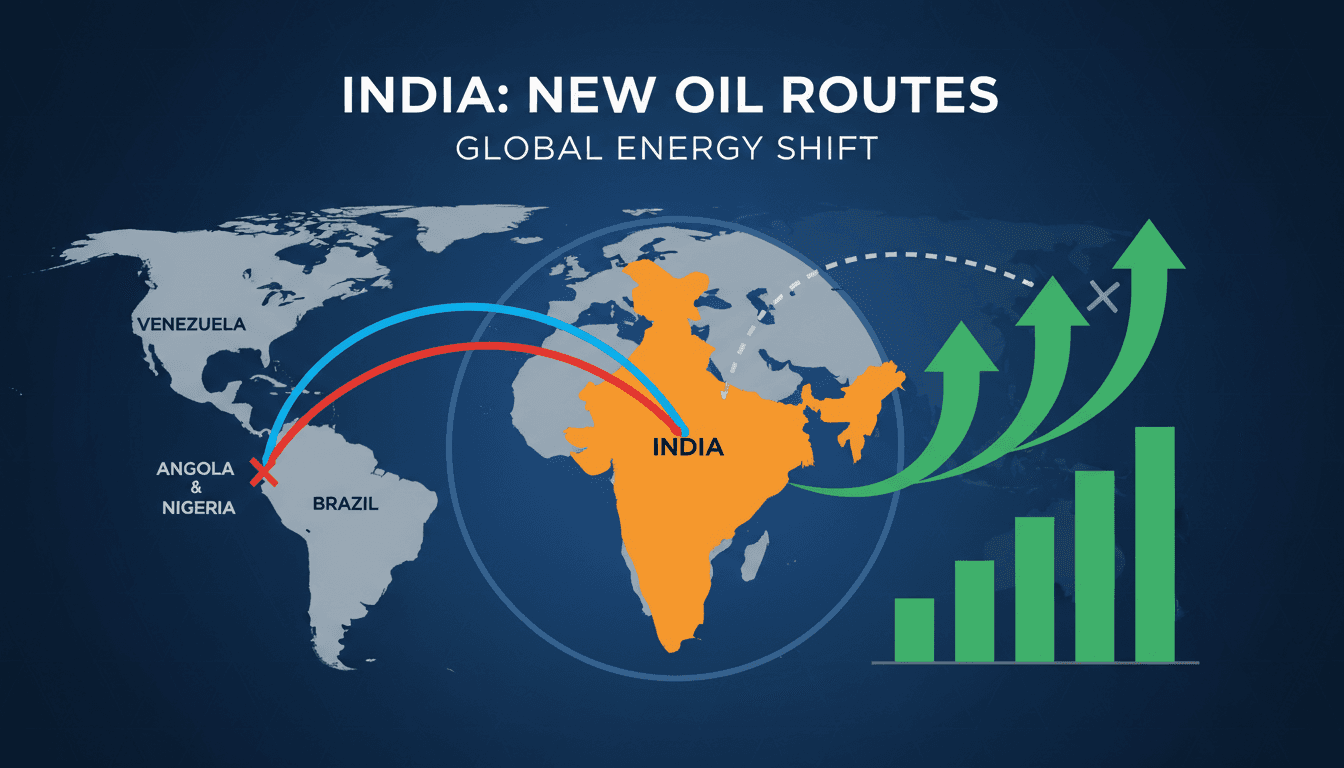
Here's what it means for you.
India's strategic pivot to diversify its oil imports from Latin America and Africa is a significant move in the context of global energy security. This shift not only aims to stabilize India's energy supply but also reflects a broader trend of countries reassessing their reliance on traditional oil sources amid geopolitical tensions. For businesses and policymakers, this could signal changes in trade dynamics and pricing structures in the global oil market. As India seeks to enhance its energy security, the implications for oil-producing nations in Latin America and Africa could lead to new partnerships and economic opportunities. This diversification strategy may also influence global oil prices, making it essential for stakeholders to monitor these developments closely.
What happened
In response to recent supply disruptions from the Hormuz Strait, India has begun importing oil from Latin America and Africa. This strategic shift is a direct reaction to the ongoing conflict in Iran, which has created instability in traditional oil supply routes. By sourcing oil from these new regions, India aims to secure its energy resources amidst rising geopolitical tensions.
Previously, India relied on Middle Eastern oil for approximately 20% of its imports, highlighting the significance of this diversification. The move is part of a broader energy security strategy that seeks to mitigate risks associated with dependence on a limited number of suppliers. Indian refineries are increasingly adapting to these new sources to ensure a stable energy supply for the country's growing economy.
The Context
The Hormuz Strait is a critical chokepoint for global oil shipments, making it a focal point for energy security concerns. The ongoing conflict in Iran has exacerbated instability in the region, impacting oil supply chains and prompting India to reassess its import strategies. This shift is not only about securing energy resources but also about fostering new trade relationships with oil-producing nations in Latin America and Africa.
India's reliance on diverse oil sources is crucial for its economic stability and growth. As the country continues to expand its energy needs, the ability to source oil from multiple regions will play a vital role in shaping its energy landscape. This strategic pivot may also influence how other nations approach their energy security in light of geopolitical uncertainties.
Takeaway
India's shift to alternative oil sources may have significant implications for global oil markets and trade dynamics. As the country strengthens its relationships with oil-producing nations in Latin America and Africa, stakeholders should watch for potential changes in oil prices resulting from these new supply sources. The impact of geopolitical tensions on global energy security will also be a critical factor to monitor in the coming months.
This diversification strategy could lead to a more resilient energy framework for India, enhancing its ability to navigate future disruptions. As the global energy landscape evolves, the ramifications of India's actions will likely resonate beyond its borders, influencing international trade and energy policies.
Pan-Arab news coverage spanning politics, business, sports, and regional affairs.
"Asharq Al-Awsat reflects a broad Arab editorial perspective with strong attention to regional geopolitics."
— A47 Editor
الهند تتجه لنفط أميركا اللاتينية وأفريقيا وسط اضطرابات مضيق هرمز
Indian refining companies have turned to importing oil from Latin America and Africa due to supply disruptions from the Middle East caused by the ongoing conflict in Iran. This shift highlights the changing dynamics in global oil supply chains as cou...
Regional and international reporting focused on Middle Eastern politics, diplomacy, and economics.
"Asharq Al-Awsat is a Saudi-owned international newspaper reflecting mainstream Gulf political perspectives."
— A47 Editor
India Turns to Latin American, African Oil After Hormuz Disruption
India is shifting its oil procurement strategy towards Latin America and Africa due to disruptions in the Strait of Hormuz, a critical maritime route for global oil transport. This change is prompted by rising geopolitical tensions and the need to se...
Oil, metals, and agriculture: supply/demand headlines, OPEC chatter, inventories, and price action.
"Solid tape for energy and metals traders tracking macro and micro catalysts."
— A47 Editor
India turns to Latin American, African oil after Hormuz disruption
India is shifting its oil imports towards Latin America and Africa due to ongoing disruptions in the Strait of Hormuz, a critical shipping route for global oil. This strategic pivot comes as geopolitical tensions escalate, particularly following the ...