
U.S. F-15 pilot shot down twice in a month during Iran conflict
Here's what it means for you.
The recent shootdowns of an American F-15 pilot underscore the increasing dangers faced by military personnel in the Middle East. These incidents may prompt a reevaluation of U.S. military strategies and operational protocols in the region. As tensions escalate, the implications for both military engagement and international relations could be significant. The repeated targeting of the same pilot highlights the evolving nature of aerial combat and the risks associated with it. This situation may also influence public perception of military operations in conflict zones.
What happened
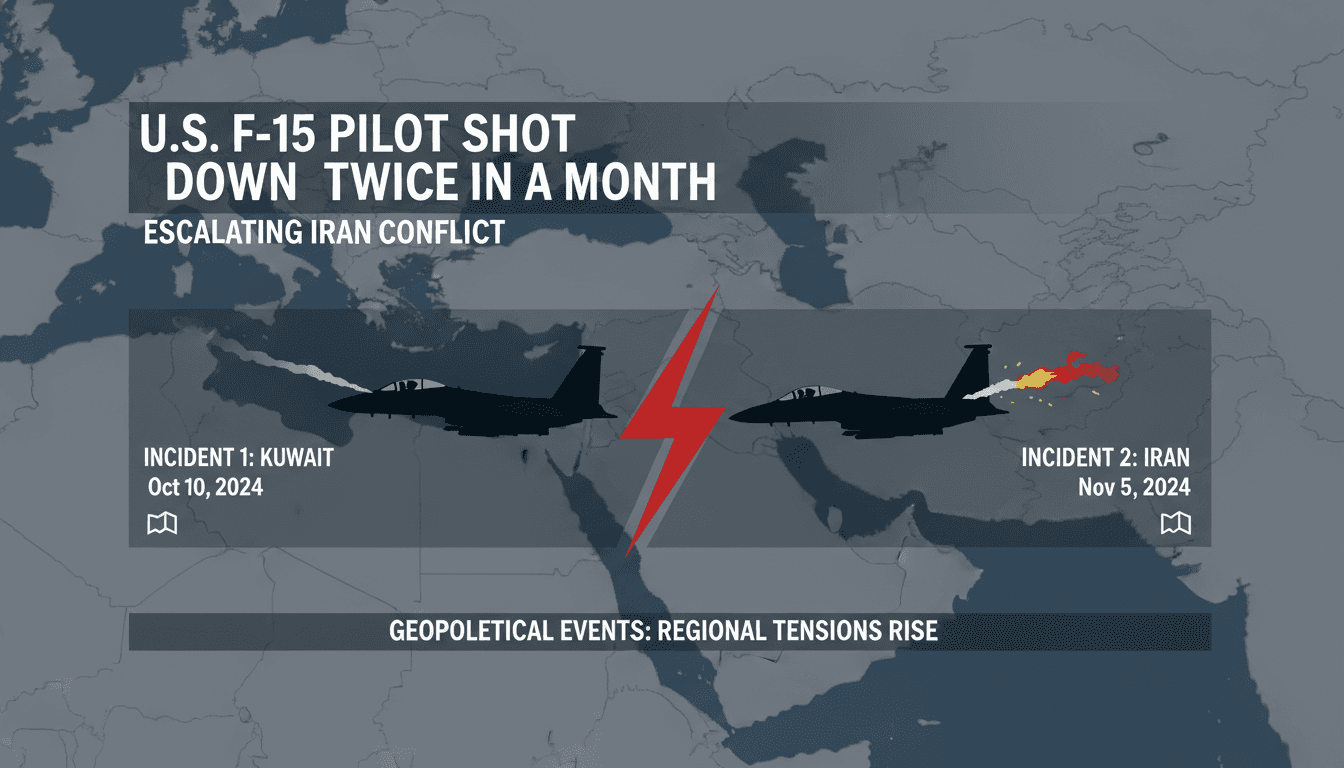
An American F-15 pilot was shot down twice within a month during the ongoing Iran conflict, as reported by CBS News. The first incident occurred in Kuwait, followed by a second shootdown in Iran, both within a 30-day timeframe. Military officials have characterized these events as a "double strike" against the pilot, emphasizing the severity of the situation.
These incidents reflect the heightened risks that military personnel face in the region, particularly in aerial combat scenarios. The pilot's experiences serve as a stark reminder of the challenges inherent in modern warfare.
The Context
The shootdowns occurred amidst escalating tensions in the Middle East, particularly related to U.S.-Iran military engagements. The incidents highlight the precarious nature of military operations in a volatile environment, where the risks to personnel are significantly amplified.
With the pilot's aircraft being downed in both Kuwait and Iran, the events illustrate the geographical breadth of the conflict and the complexities involved in military strategy. As the situation develops, the implications for U.S. military operations and regional stability will be closely monitored.
Takeaway
The targeting of the same pilot in two separate incidents raises concerns about the safety of military personnel in conflict zones. As tensions continue to rise in the Middle East, the experiences of this pilot may influence future U.S. military strategies and operational decisions.
Monitoring developments in U.S.-Iran military engagements will be crucial in understanding the evolving landscape of military operations in the region. The repeated shootdowns serve as a critical indicator of the risks associated with aerial combat and the need for adaptive strategies.
Arabic-language political and world news coverage for UAE readers.
"Emarat Al Youm world coverage usually presents international developments through a UAE and Arab audience lens."
— A47 Editor
سي بي إس تكشف قصة طيار أميركي أسقط مرتين في حرب إيران سي بي إس تكشف قصة طيار أميركي أسقط مرتين في حرب إيران
CBS News revealed that an American fighter pilot, who was flying an F-15 aircraft, was shot down twice during the Iran War. This incident highlights the challenges faced by military personnel in conflict zones and the complexities of aerial warfare.
Egyptian politics, economy, and society coverage.
"Al Masry Al Youm is a major Egyptian newspaper with broad national coverage."
— A47 Editor
«سقطت طائرته مرتين فى شهر واحد».. قصة طيار أمريكى استهدف من إيران والكويت
An American pilot experienced two separate incidents where his aircraft was shot down within a month, attributed to the ongoing conflict involving Iran. This situation has been described as a 'double whammy' by a military official, highlighting the d...
Jordanian news and regional updates.
"Roya News is a Jordanian outlet focused on breaking news and local affairs."
— A47 Editor
تقرير يفيد بأن نفس طيار مقاتلة إف-15 الأمريكي الذي سقط في الكويت سقط أيضاً في إيران
A report indicates that the same pilot of the U.S. F-15 fighter jet that crashed in Kuwait also experienced a crash in Iran. This incident raises concerns regarding the safety and operational protocols of military aircraft in the region.